



depression tagged posts
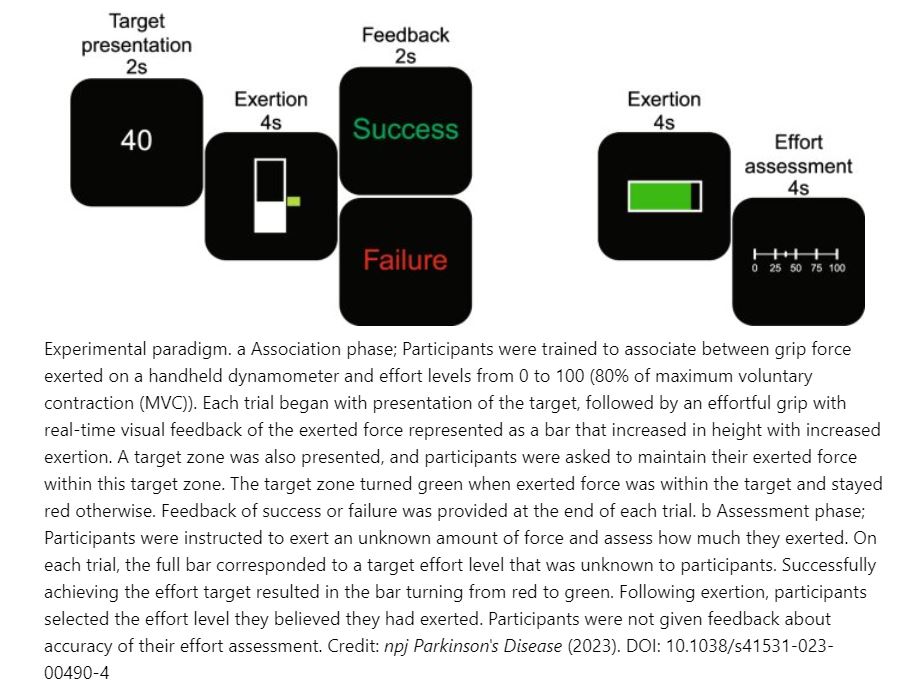
Whether Physical Exertion feels ‘Easy’ or ‘Hard’ may be due to Dopamine levels, study suggests
April 17, 2023,
 Biology/Biotechnology, Health/Medical
New evidence: Immune System Cells in the Gut linked to Stress-induced Depression
March 21, 2023,
Biology/Biotechnology, Health/Medical
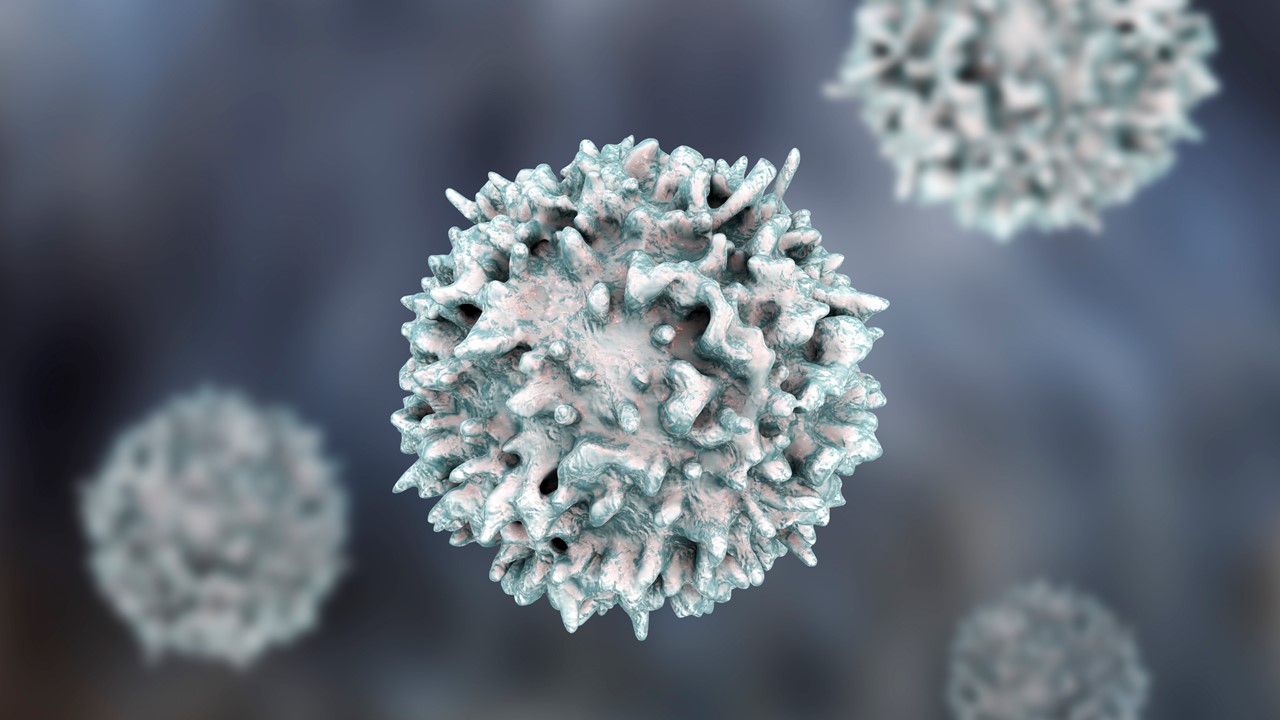
In experiments with mice and humans, a team led by Johns Hopkins Medicine researchers says it has identified a particular intestinal immune cell that impacts the gut microbiome, which in turn may affect brain functions linked to stress-induced disorders such as depression. Targeting changes mediated by these immune cells in the gut, with drugs or other therapies, could potentially bring about new ways to treat depression.
The findings of the study were published March 20, 2023 in the journal Nature Immunology.
“The results of our study highlight the previously unrecognized role of intestinal gamma delta T cells (γδ T cells) in modifying psychological stress responses, and the importance of a protein receptor known as dectin-1, found on the surface of immune c...
Read MoreMom’s Dietary Fat Rewires Male and Female Brains Differently
November 30, 2022,
Biology/Biotechnology

Excess fat triggers immune cells to overeat serotonin in the brain of developing male mice, leading to depression-like behavior. More than half of all women in the United States are overweight or obese when they become pregnant. While being or becoming overweight during pregnancy can have potential health risks for moms, there are also hints that it may tip the scales for their kids to develop psychiatric disorders like autism or depression, which often affects one gender more than the other.
What hasn’t been understood however is how the accumulation of fat tissue in mom might signal through the ...
Read MoreNovel Preclinical Drug could have potential to combat Depression, Brain Injury and Cognitive Disorders
May 24, 2022,
Biology/Biotechnology, Health/Medical
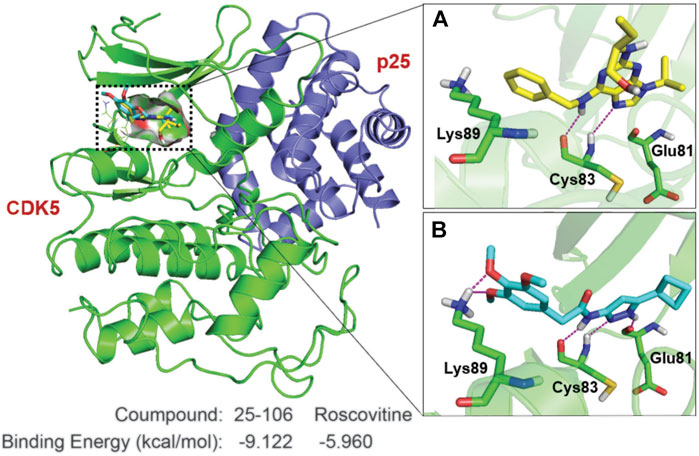
James Bibb, Ph.D., and colleagues have described a novel preclinical drug that could have the potential to combat depression, brain injury and diseases that impair cognition. The drug, which notably is brain-permeable, acts to inhibit the kinase enzyme Cdk5.
Cdk5 is a crucial regulator of signaling in brain neurons. Over three decades of study, it has been implicated in neuropsychiatric and neurodegenerative conditions, including Alzheimer’s disease and Parkinson’s disease. Knocking out the enzyme in mice makes them resilient to stress, enhances their cognition, protects neurons from stroke and head trauma, and lessens neurodegeneration.
While inhibitors of Cdk5 could offer potential therapeutic benefits and new ways to study basic brain function, previous first- and second-gene...
Read More

Recent Comments