
detect cancer tagged posts

This new blood test could detect cancer before it shows up on scans

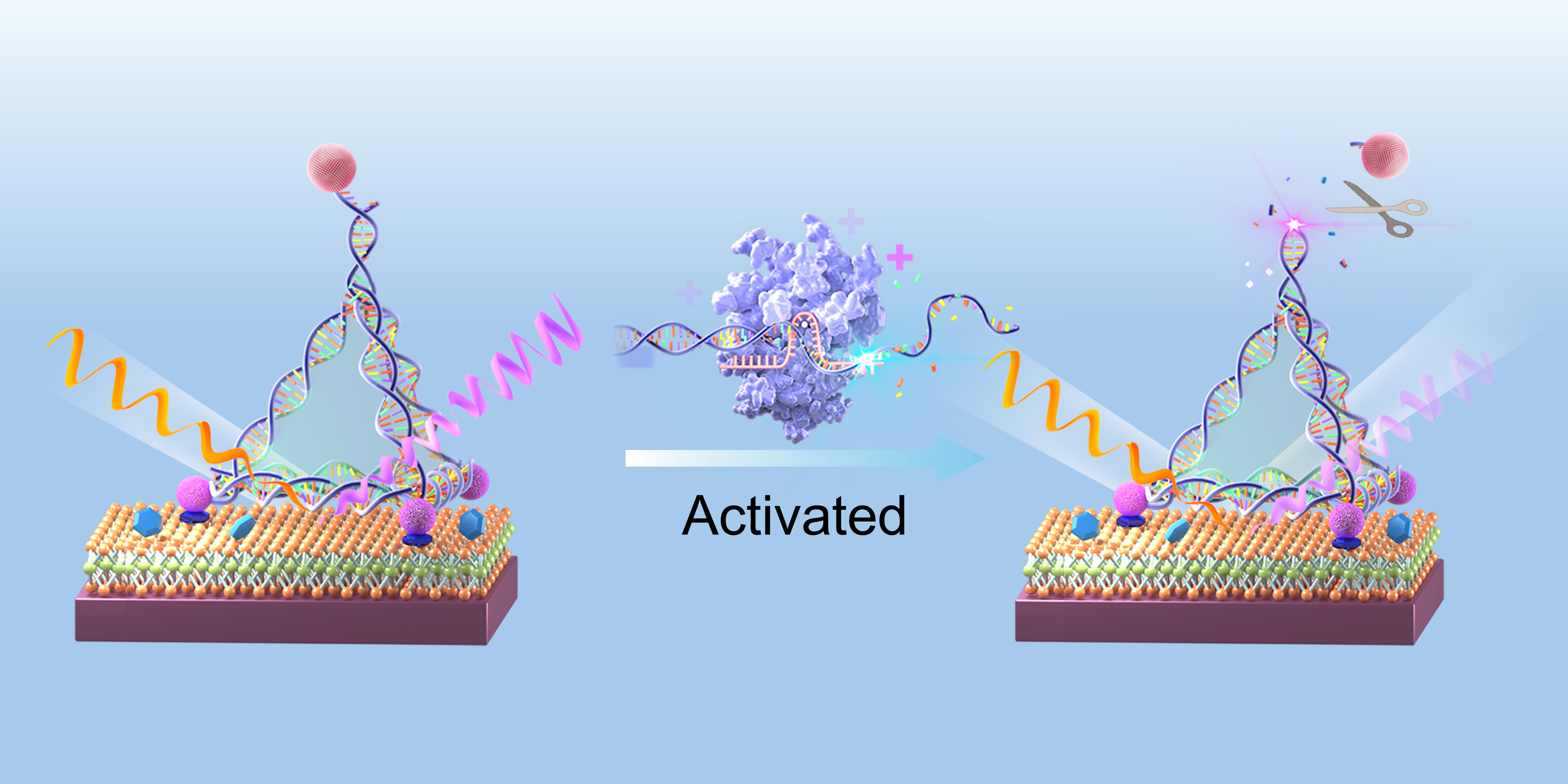
Caption: When the biomarker is detected, the Cas12a protein used for CRISPR cuts the DNA holding the quantum dots, which causes a measurable drop in SHG signal.
Credit: Han Zhang, Shenzhen University

A new CRISPR-powered light sensor can detect the faintest molecular signs of cancer in a drop of blood. A new light-based sensor can spot incredibly tiny amounts of cancer biomarkers in blood, raising the possibility of earlier and simpler cancer detection. The technology merges DNAnanotechnology, CRISPR, and quantumdots to generate a clear signal from just a few molecules. In lung cancer tests, it worked even in real patient serum samples. Researchers hope it could eventually power portable blood tests for cancer and other diseases.

Scientists have designed a powerful light based sensor...

Read More
Blood test can identify cancer in patients with non-specific symptoms

Blood test can identify cancer in patients with non-specific symptoms
Study populations and biomarker discovery workflow. Credit: Nature Communications (2025). DOI: 10.1038/s41467-025-67688-3

A simple blood test can help detect cancer in patients with non-specific symptoms such as fatigue, pain or weight loss. This is according to a Swedish study from Karolinska Institutet, Danderyd Hospital and others, published in Nature Communications.

When patients seek care for non-specific symptoms such as fatigue, pain or weight loss, it is often difficult to determine whether the cause is cancer, another serious condition or something completely harmless.

In a new study, researchers at Karolinska Institutet and Danderyd Hospital, together with Örebro University, KTH Royal Institute of Technology and SciLifeLab at Uppsala University, have investigated whet...

Read More

Researchers develop Low-Cost Device that Detects Cancer in an Hour

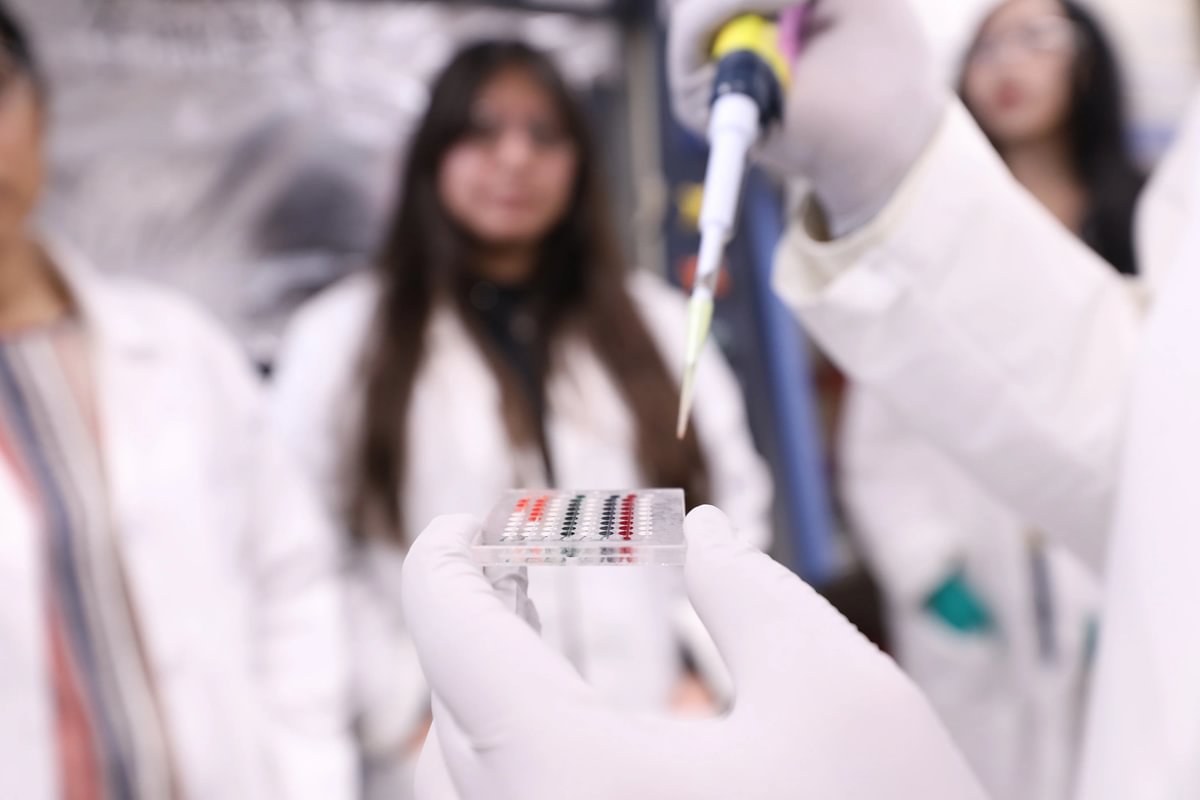
A team of UTEP researchers led by Xiujun (James) Li, Ph.D., have created a low-cost, portable device that can detect colorectal and prostate cancer in as little as one hour.

Particularly beneficial for rural U.S. areas, developing countries. Researchers at The University of Texas at El Paso have created a portable device that can detect colorectal and prostate cancer more cheaply and quickly than prevailing methods. The team believes the device may be especially helpful in developing countries, which experience higher cancer mortality rates due in part to barriers to medical diagnosis.

“Our new biochip device is low-cost — just a few dollars — and sensitive, which will make accurate disease diagnosis accessible to anyone, whether rich or poor,” said XiuJun (James) Li, Ph.D...

Read More
