DNA methylation tagged posts

Epigenetic changes regulate gene expression, but what regulates epigenetics?

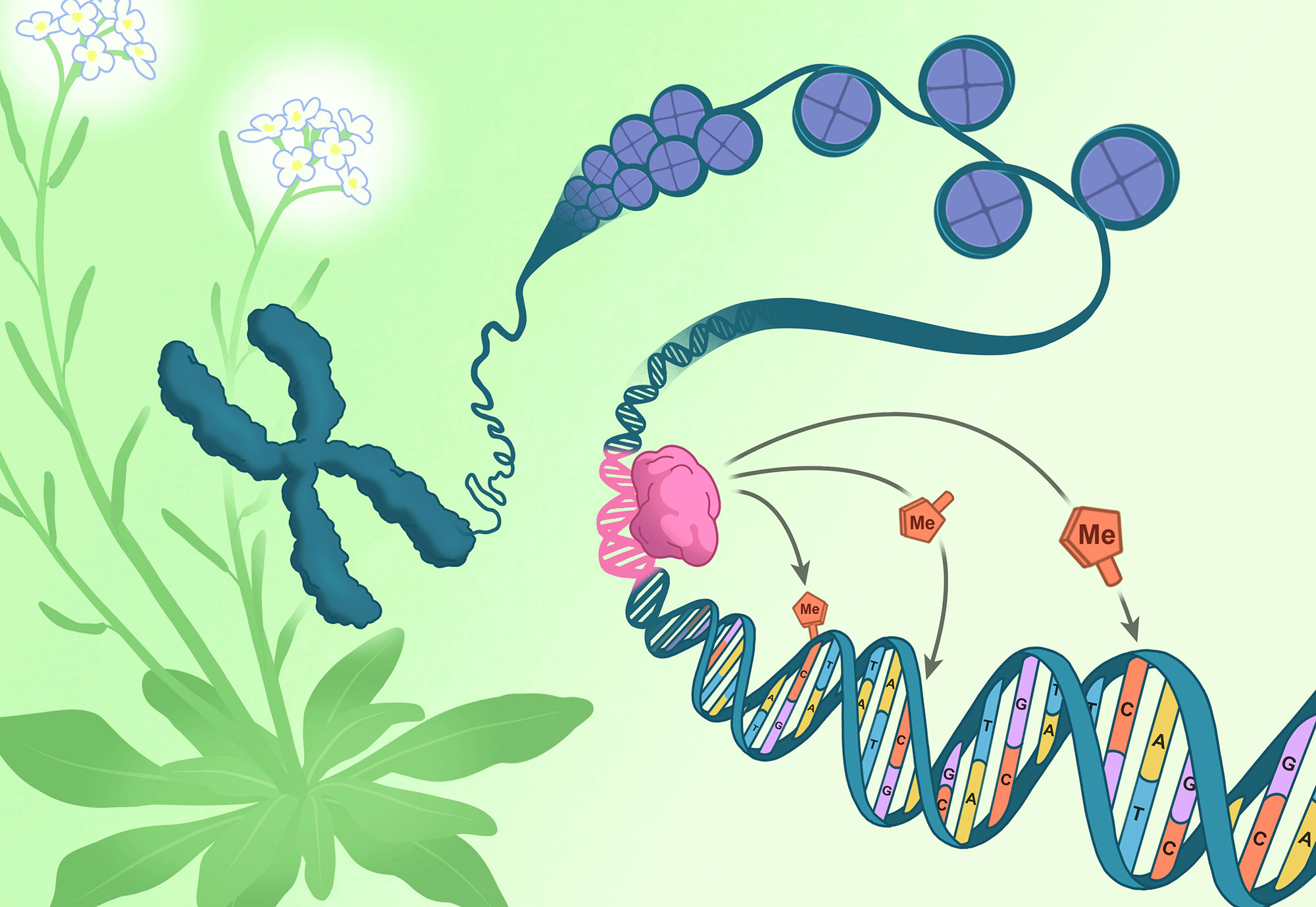
A chromosome pulled from the flowers of Arabidopsis thaliana (green and white) unspools to reveal DNA (blue) coiled around packaging-proteins called histones (purple). The direction of epigenetic changes by genetic features begins as the RIM transcription factor (pink) docks on a corresponding DNA sequence (pink). Once docked, the RIM transcription factor directs methylation machinery to tack methyl groups (orange) onto specific nearby cytosines (orange).
Click here for a high-resolution image.
Credit: Salk Institute

All the cells in an organism have the exact same genetic sequence. What differs across cell types is their epigenetics—meticulously placed chemical tags that influence which genes are expressed in each cell...

Read More

Late-Life Exercise shows Rejuvenating Effects on Cellular Level

A new study suggests that exercise, even if not adopted until later in life, can slow the effects of aging. When 2-year old mice were studied after two months of progressive weighted wheel running, despite having no prior training, it was determined that they were the epigenetic age of mice eight weeks younger than sedentary mice of the same age.

For people who hate exercising, here comes some more bad news: it may also keep you younger. Not just looking younger, but actually younger, on an epigenetic level. By now, the benefits of exercise have been well established, including increased strength of bones and muscles, improved mobility and endurance, and lower risk of heart disease, diabetes and high blood pressure.

But younger?

A study recently published in Aging Cell, “Late...

Read More