
fiber optic cables tagged posts

Twisting light for memory: New chiral photonic device enables real-time control of light polarization and data storage

As fast as modern electronics have become, they could be much faster if their operations were based on light, rather than electricity. Fiber optic cables already transport information at the speed of light; to do computations on that information without translating it back to electric signals will require a host of new optical components.

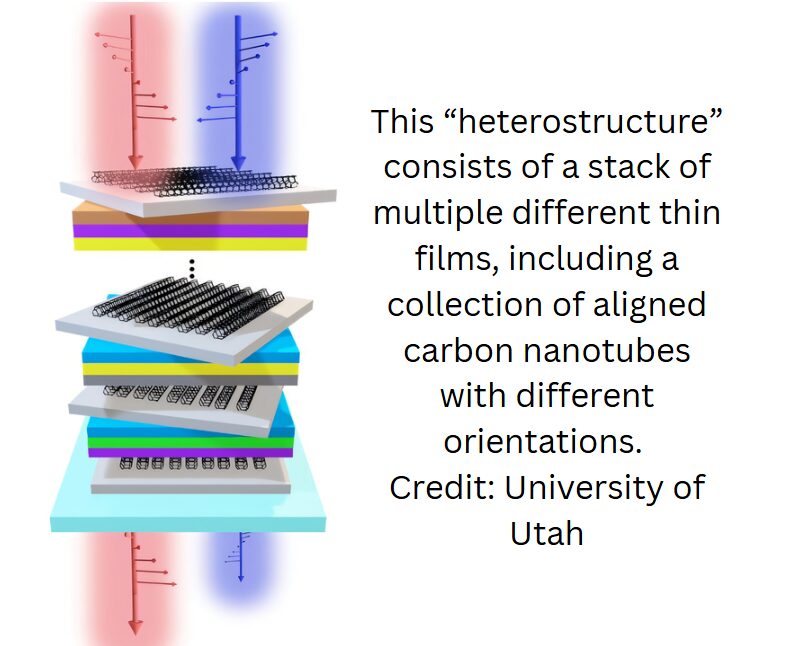
Researchers at the John and Marcia Price College of Engineering have now developed such a device: one that can be adjusted on the fly to give light different degrees of circular polarization. Because information can be stored in this chiral property of light, the researchers’ device could serve as a multifunctional, reconfigurable component of an optical computing system.

Led by Weilu Gao, assistant professor in the Department of Electrical & C...

Read More
Putting on the Pressure improves Glass for Fiber Optics

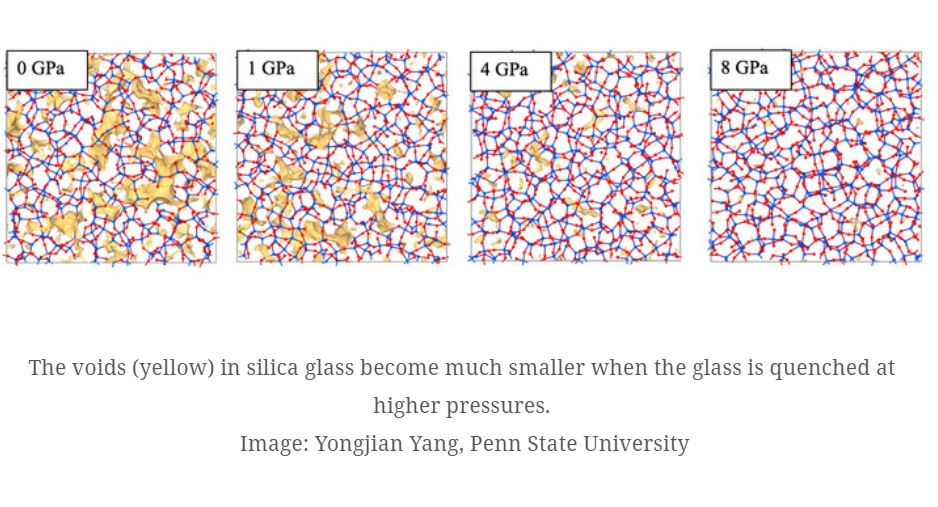
Rapid, accurate communication worldwide is possible via fiber optic cables, but as good as they are, they are not perfect. Now, researchers from Penn State and AGC Inc. in Japan suggest that the silica glass used for these cables would have less signal loss if it were manufactured under high pressure.

“Signal loss means that we have to use amplifiers every 80 to 100 kilometers (50 to 62 miles),” said John C. Mauro, professor of materials science and engineering, Penn State. “After that distance, the signal wouldn’t be detected properly. Across continents or across oceans that becomes a big deal.”

Glass fibers lose signal strength because of Rayleigh scattering — scattering of light that comes from fluctuations in the glass’s atomic structure.

“Glass, on an atomic scale, is he...

Read More
