GABA tagged posts

Boosting good gut bacteria population through targeted interventions may slow cognitive decline

Boosting good gut bacteria population through targeted interventions may slow cognitive decline
Microbiota-targeted interventions are associated with improvements in memory, executive function, and global cognition. Credit: Darryl Leja, National Human Genome Research Institute, National Institutes of Health

The origin of neurodegenerative diseases like Alzheimer’s or dementia isn’t limited to the brain. The state of your gut can quietly set off a cycle of chronic, system-wide inflammation that nudges the brain toward cognitive decline. But how does the pathogenesis of a disease that seems purely brain-based begin in the gut—an organ that is mostly busy producing chemicals for digesting food?

It turns out these two entities are linked by the gut-brain axis, a two-way communication superhighway that constantly sends signals between the digestive tract and the central nervous s...

Read More

Brain Regions that Relieve Effects of Chronic Stress in Mice Differ based on Sex

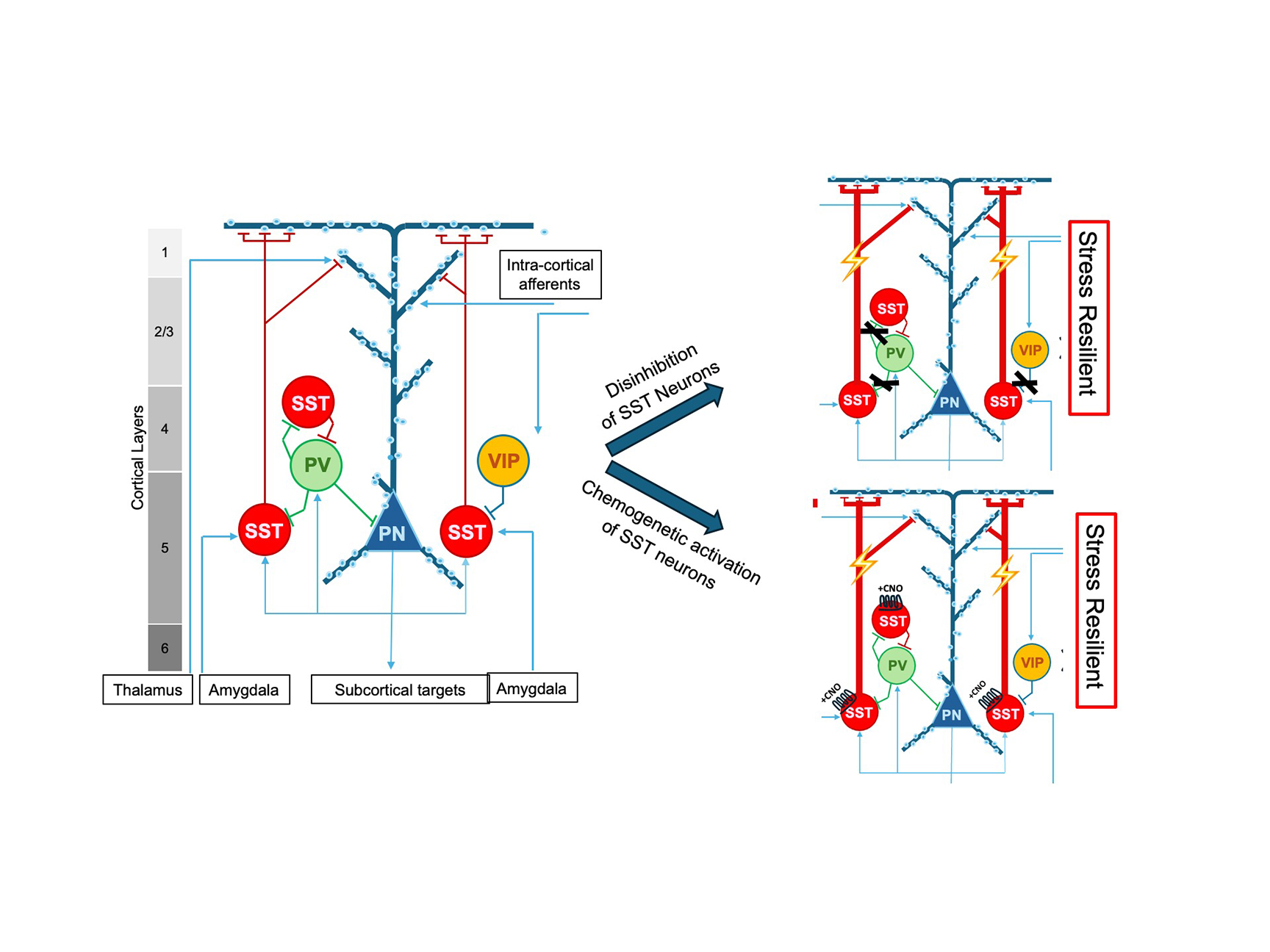
Schematic of cortical microcircuit showing connections among neurons and how activation of SST neurons leads to stress resilience
New research finds sex-specific regions of the brain can relieve the detrimental effects of chronic stress in male and female mice. Left: Schematic showing a cortical microcircuit with three types of interneurons expressing somatostatin (SST), parvalbumin (PV) or vasointestinal peptide (VIP) and their distinct patterns of innervation of glutamatergic output neurons (PNs), with thin lines representing axons that send chemical signals and the thicker lines of PNs representing dendrites that receive information. There is selective innervation of the distal ends of PN dendrites by axons of SST neurons...
Read More

New Brain Discovery could Help in the Fight Against Obesity

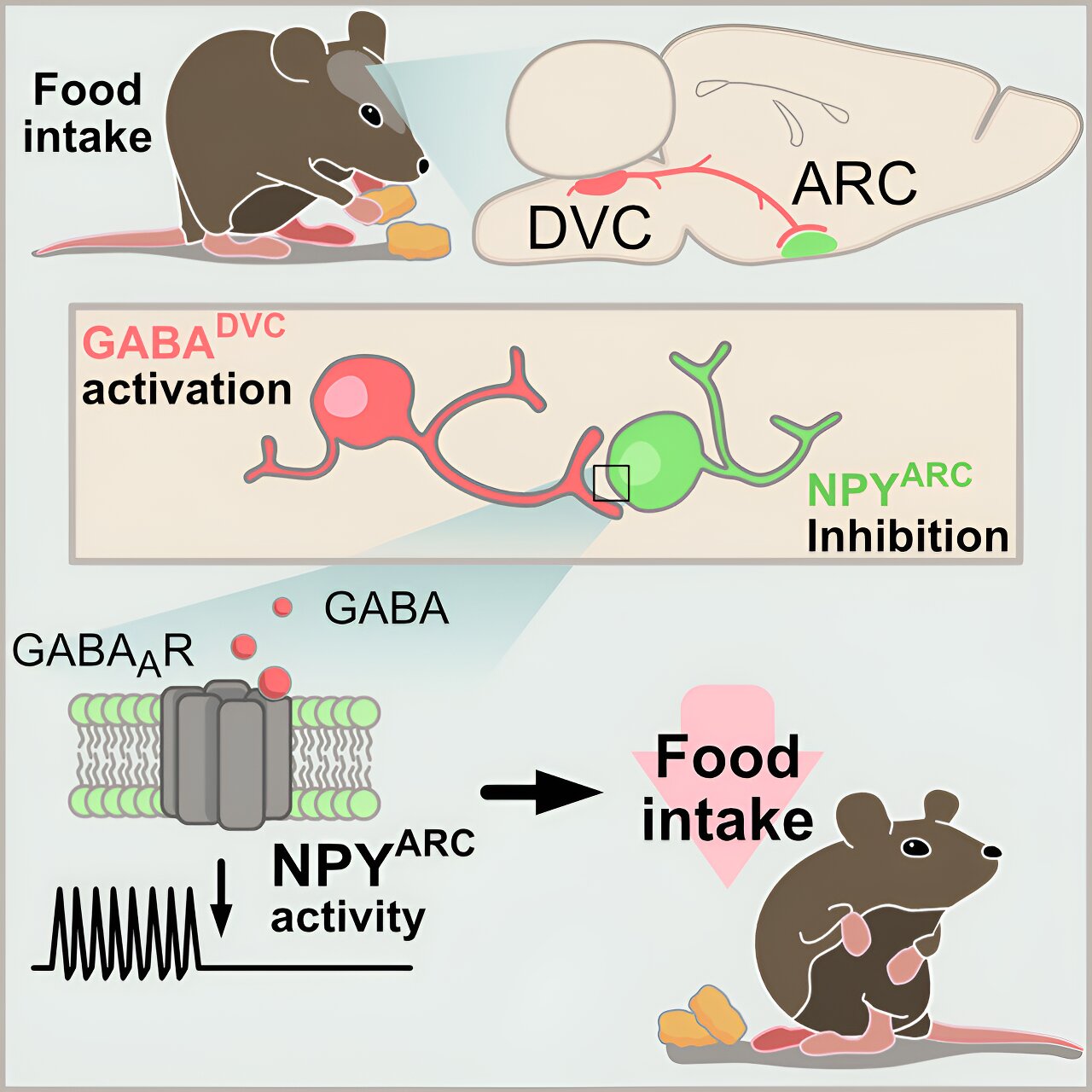
New brain discovery could help in the fight against obesity
Credit: Current Biology (2024). DOI: 10.1016/j.cub.2024.02.074

One of the largest threats to human health is obesity, but now researchers from the University of Aberdeen Rowett Institute have made an important discovery in how the brain controls food intake.

Obesity and being overweight have become the “new normal” in modern times and can lead to a multitude of health problems. We know that excess weight is primarily caused by eating more calories than the body needs; however, new research published in Current Biology has found a specific cluster of cells in the brain that control body weight.

How the brain controls hunger has not been fully defined. The researchers discovered a cluster of brain cells that can be harnessed to reduce food intake and body weight...

Read More

Study identifies Key Neurons that Maintain Body Temperature at 37°C in Mammals

A research group at Nagoya University in Japan has reported that a group of neurons, called EP3 neurons, in the preoptic area of the brain play a key role in regulating body temperature in mammals. The finding could pave the way for the development of a technology that artificially adjusts body temperature to help treat heatstroke, hypothermia, and even obesity. The new study was published in the journal Science Advances.

Body temperature in humans and many other mammals is regulated at around 37°C (98.6°F), which optimizes all regulatory functions. When their body temperature noticeably deviates from the normal range, the functions are impaired, which could lead to heat stroke, hypothermia, and, in the worst case, death...

Read More