geomagnetic storms tagged posts

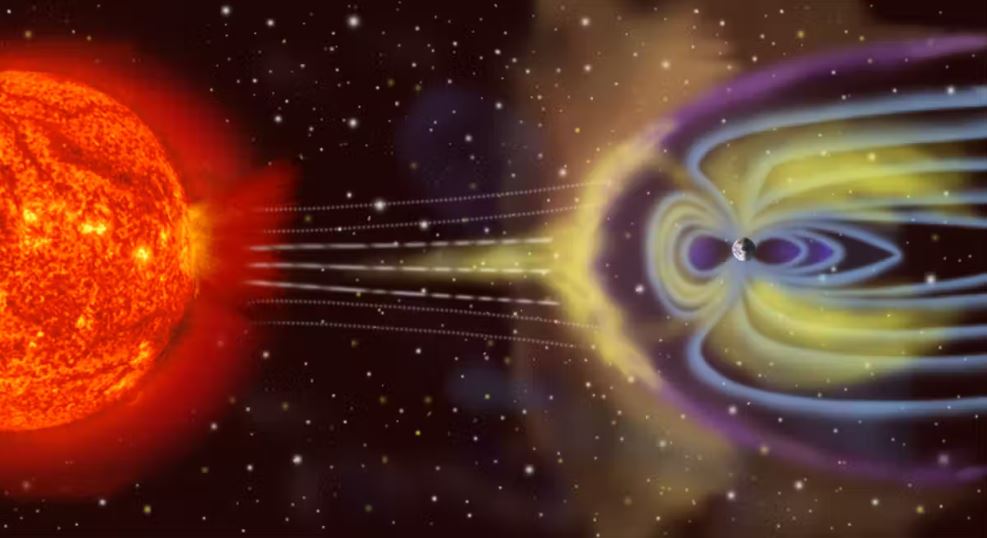
We can predict space weather—what if we could also stop it?

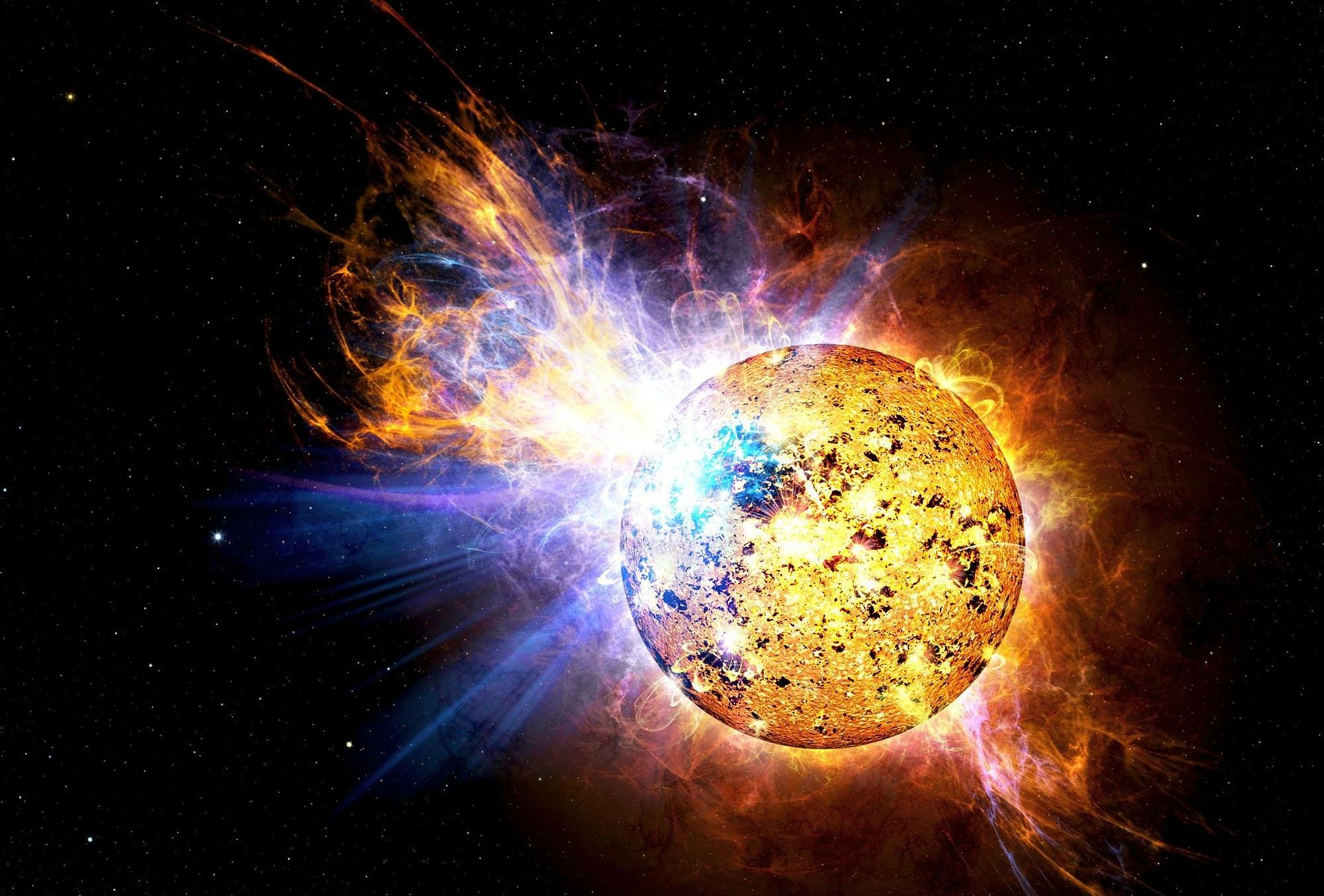
solar flare
Credit: CC0 Public Domain

The weather on Earth can get pretty messy sometimes. But in space, it can be wild, and the effects can be far-reaching. Solar flares, giant explosions on the sun, can send out streams of energy that block radio communications and fry satellite electronics. Geomagnetic storms, caused by variations in solar wind, can mess with GPS signals and spark current surges on Earth that overload power grids.

The impact of space weather isn’t limited to temporarily losing electricity or digging out dusty paper maps for directions when satellite navigation systems fail. Every electronic financial transaction in the world, for instance, relies on time stamps sent by satellite systems...

Read More
The Importance of the Earth’s Atmosphere in Creating the Large storms that Affect Satellite Communications

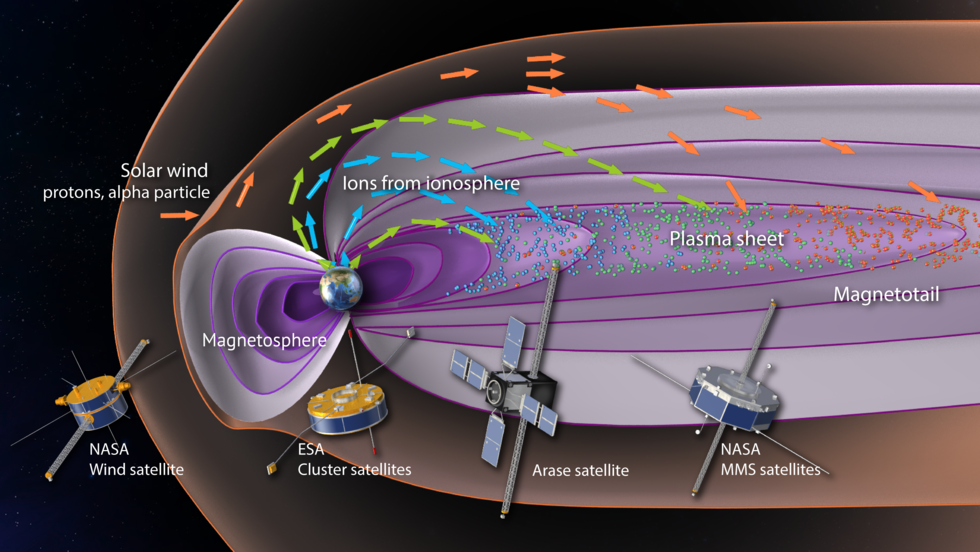
A study from an international team led by researchers from Nagoya University in Japan and the University of New Hampshire in the United States has revealed the importance of the Earth’s upper atmosphere in determining how large geomagnetic storms develop. Their findings reveal the previously underestimated importance of the Earth’s atmosphere. Understanding the factors that cause geomagnetic storms is important because they can have a direct impact on the Earth’s magnetic field such as causing unwanted currents in the power grid and disrupting radio signals and GPS. This research may help predict the storms that will have the greatest consequences.

Scientists have long known that geomagnetic storms are associated with the activities of the Sun...

Read More

Mercury has Magnetic Storms

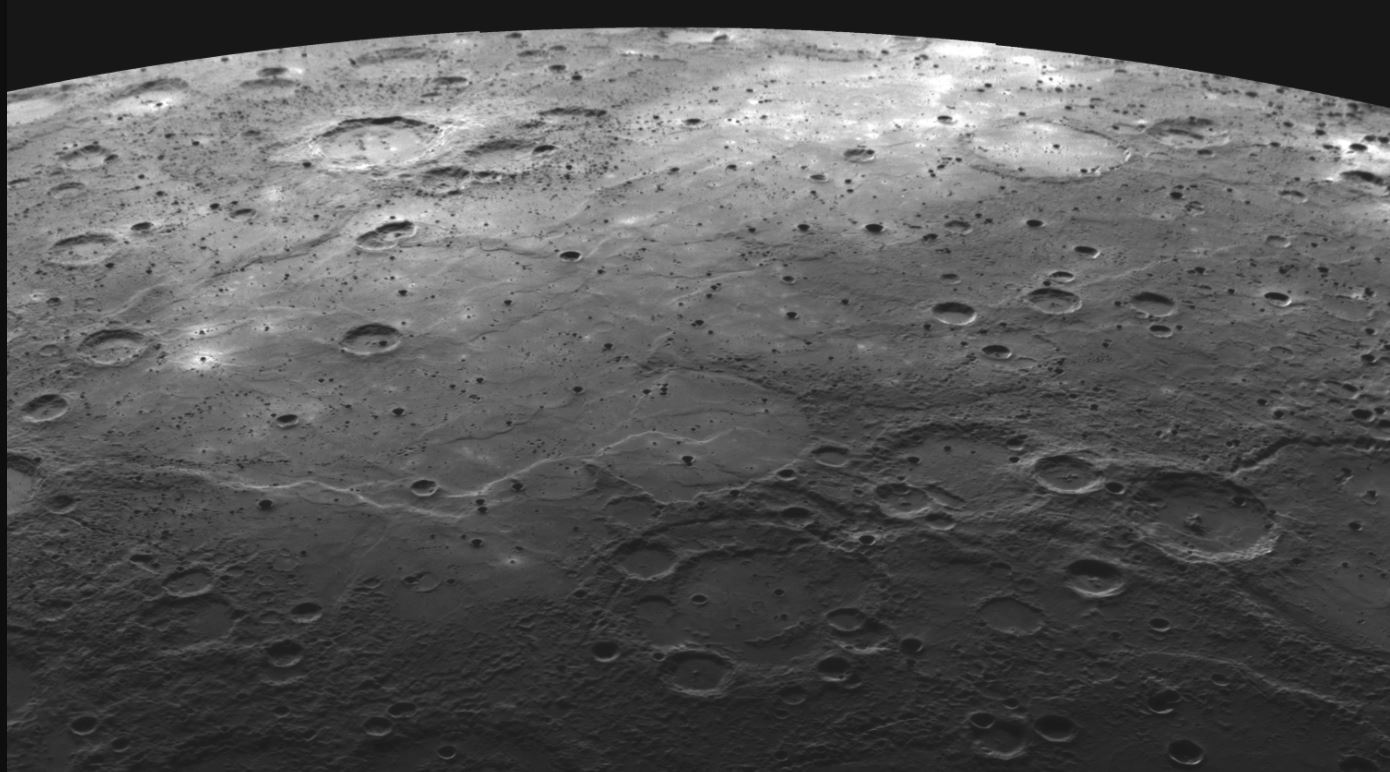
Image by NASA/Johns Hopkins University Applied Physics Laboratory/Carnegie Institution of Washington
Images from Messenger show previously uncharted regions of the planet that have large craters with an internal smoothness similar to Earth’s own moon and that are thought to have been flooded by lava flows.

An international team of scientists has proved that Mercury, our solar system’ssmallest planet, has geomagnetic storms similar to those on Earth.

The research by scientists in the United States, Canada and China includes work by Hui Zhang, a space physics professor at the University of Alaska Fairbanks Geophysical Institute.

Their finding, a first, answers the question of whether other planets, including those outside our solar system, can have geomagnetic storms regardless of t...

Read More

Solar Storms can Destroy Satellites with ease: A Space Weather expert explains the science

On Feb. 4, 2022, SpaceX launched 49 satellites as part of Elon Musk’s Starlink internet project, most of which burned up in the atmosphere days later. The cause of this more than US$50 million failure was a geomagnetic storm caused by the sun.

Geomagnetic storms occur when space weather hits and interacts with the Earth. Space weather is caused by fluctuations within the sun that blast electrons, protons and other particles into space. When space weather reaches Earth, it triggers many complicated processes that can cause a lot of trouble for anything in orbit. And engineers are working to better understand these risks and defend satellites against them.

What causes space weather?

The sun is always releasing a steady amount of charged particles into space...

Read More