
Great Oxidation Event tagged posts

Scientists uncover what delayed Earth’s oxygen boom for a billion years

What Delayed Earth’s Oxygen for a Billion Years
High levels of nickel and urea once throttled early cyanobacteria, keeping Earth’s air oxygen-free. Their gradual decline unleashed an oxygen boom that transformed the planet and made complex life possible. Credit: Shutterstock

Billions of years ago, cyanobacteria began releasing oxygen through photosynthesis, but the atmosphere stayed oxygen-poor for ages. Researchers uncovered that trace compounds like nickel and urea may have delayed Earth’s oxygenation for millions of years. Experiments mimicking early Earth revealed how their concentrations controlled cyanobacterial growth, dictating when oxygen began to accumulate. As nickel declined and urea stabilized, photosynthetic life thrived, sparking the Great Oxidation Event...

Read More

A Whiff from Blue-Green Algae likely responsible for Earth’s Oxygen

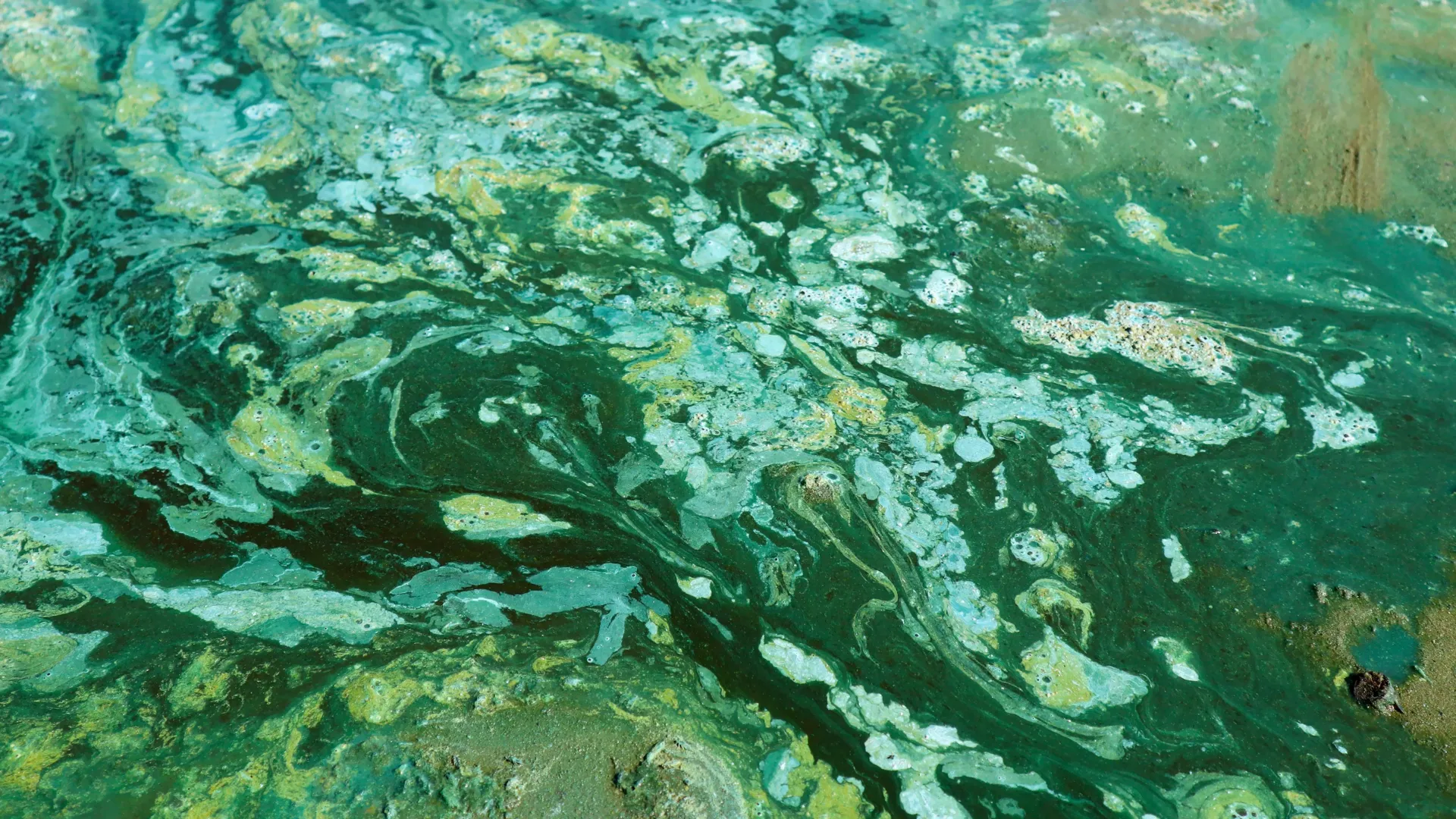
abiogenesis: blue-green algae in a hot spring, Yellowstone National Park

Abiogenesis: blue-green algae in a hot spring, Yellowstone National Park

Earth’s oxygen-rich atmosphere emerged in whiffs from a kind of blue-green algae in shallow oceans around 2.5 billion years ago, according to new research from Canadian and US scientists. These whiffs of oxygen likely happened in the following 100 million years, changing the levels of oxygen in Earth’s atmosphere until enough accumulated to create a permanently oxygenated atmosphere around 2.4 billion years ago – a transition widely known as the Great Oxidation Event.

The team presents new isotopic data showing that a burst of oxygen production by photosynthetic cyanobacteria temporarily increased oxygen concentrations in Earth’s atmosphere...

Read More
