Gut microbiome tagged posts

Secret to a healthy liver found in a young microbiome

human microbiome inside gut
Credit: AI-generated image

Restoring the gut microbiome to its youthful state may hold the key to slowing aging and preventing liver cancer, one of the fastest-growing cancers worldwide, according to a study to be presented at Digestive Disease Week (DDW 2026).

Researchers collected fecal samples from eight young mice and transplanted them back into the same mice when they were older, a process called fecal microbiota transplantation, or FMT. The eight controls received sterilized fecal slurry, and a small group of similar young mice provided additional baseline data.

None of the mice with the restored microbiome developed liver cancer by the end of the study, while liver cancer was found in 2 out of 8 aging controls...

Read More
Negative effects of artificial sweeteners may pass on to next-generation, study suggests

artificial sweetener
Credit: Unsplash/CC0 Public Domain

Health organizations are starting to raise concerns about the potential long-term impacts of artificial sweeteners, which taste sweet but—unlike sugar—contain no calories, suggesting they could interfere with energy metabolism and increase the eventual risk of diabetes or cardiovascular disease.

Now a new study in mice indicates that the popular sweeteners sucralose and stevia have negative effects on the gut microbiome and gene expression, potentially compromising metabolic health, which can be transmitted between generations.

“We found it intriguing that despite the growing consumption of these additives, the prevalence of obesity and metabolic disorders such as insulin resistance has not declined,” said Dr...

Read More

Turning the gut microbiome into a longevity factory

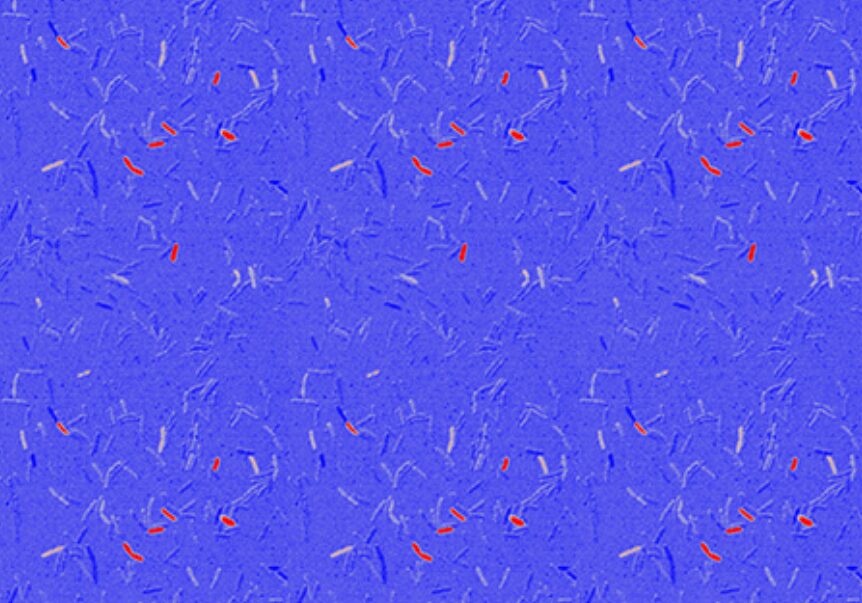
New research finds that low doses of the antibiotic cephalordine induces the cps operon in bacteria, visualized in red. This operon is responsible for synthesizing colanic acids, resulting in attenuation of age-related metabolic changes. Credit: Meng Wang

A team of researchers has found a way to turn the bacteria living in the digestive tracts of animals into factories that can produce compounds that promote longevity in their hosts—showing a potential new drug development strategy.

Janelia Senior Group Leader Meng Wang and her team study longevity and were interested in seeing how they could transfer their research findings about longevity-promoting compounds into practical applications.

One idea they had was to induce the body’s gut microbiota—a collection of bacteria in th...

Read More

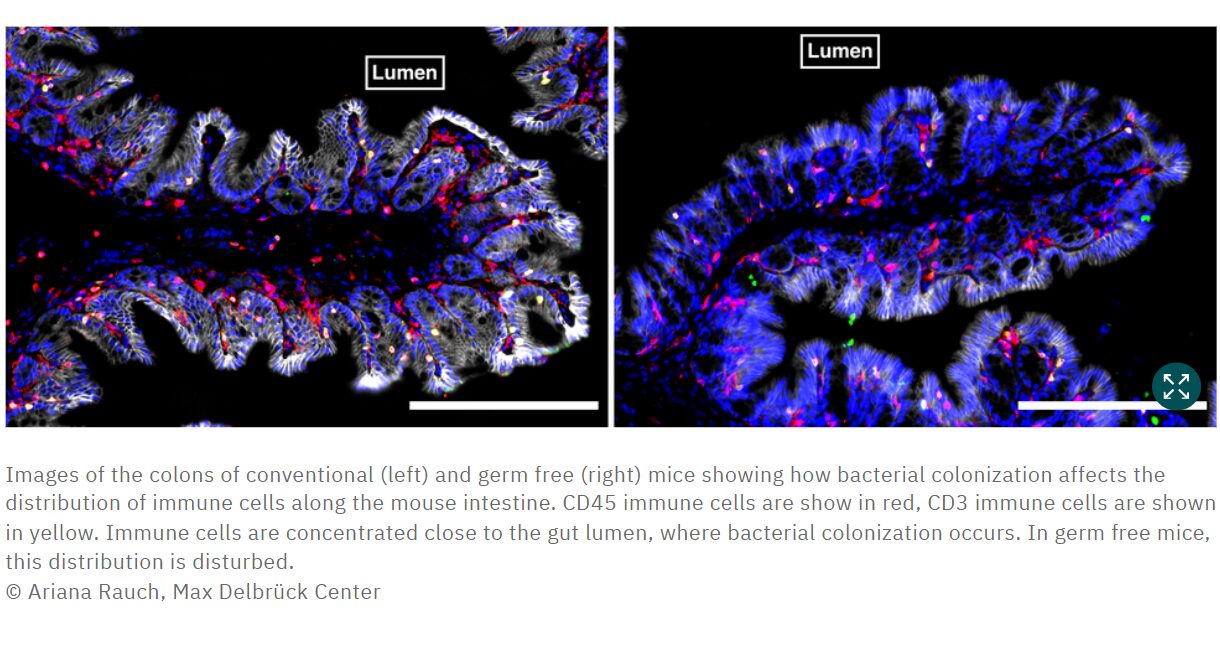
Gut Microbiome Influences Location of Immune Cells, study finds

Researchers at the Experimental and Clinical Research Center of Max Delbrück Center and Charité — Universitätsmedizin Berlin (ECRC) have found that different anatomical sections of the gastrointestinal tracts of mice carry different compositions of microbial communities. Moreover, the specific makeup of the microbiota can influence the type and abundance of immune cells in any particular region. The study, which was published in Gut Microbes, maps the complex spatial organization of immune cells and microbial communities, providing a tool for studying the interaction between gut microbes and inflammatory diseases.

Previous research has hinted at the existence of “hotspots” along the GI tract where specific immune cells and microbes might interact more intensely.

But no one ha...

Read More