
Gut microbiome tagged posts

Link between Microbiome in the Gut, Parkinson’s discovered

Parkinson's disease and Parkinson's disease medications have distinct signatures of the gut microbiome. Movement Disorders, 2017; DOI: 10.1002/mds.26942

Parkinson’s disease and Parkinson’s disease medications have distinct signatures of the gut microbiome. Movement Disorders, 2017; DOI: 10.1002/mds.26942

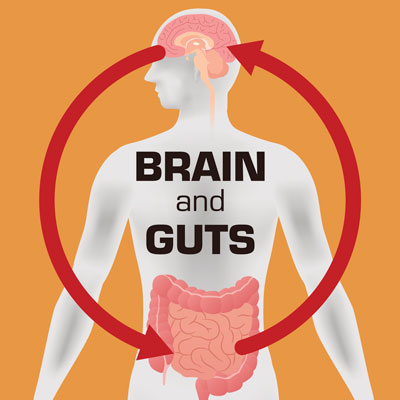
A new study from researchers at the University of Alabama at Birmingham shows that Parkinson’s disease, and medications to treat Parkinson’s, have distinct effects on the composition of the trillions of bacteria that make up the gut microbiome. At this point, researchers do not know which comes first. Does having Parkinson’s cause changes in an individual’s gut microbiome, or are changes in the microbiome a predictor or early warning sign of Parkinson’s? What is known is that the first signs of Parkinson’s often arise as gastrointestinal symptoms such as inflammation or constipation.

“The human gut hosts tens of trillions of microorganisms...

Read More

Targeting Gut Microbiome to fight Heart Disease

Carnitine, Choline, Cancer and Cholesterol: The TMAO Connection and how Resveratrol could be anti-atherosclerotic

Image: Carnitine, Choline, Cancer and Cholesterol: The TMAO Connection and how Resveratrol could be anti-atherosclerotic . NB. The concentration of TMAO in blood increases after consuming foods containing carnitine or lecithin if the bacteria that convert those substances to TMAO are present in the gut. High concentrations of carnitine are found in red meat, some energy drinks, and some dietary supplements; lecithin is found in soy, eggs, as an ingredient in processed food and is sold as a dietary supplement.

Resveratrol, found in red wine etc reduces the risk of heart disease by changing the gut microbiome, according to a new study by researchers from China...

Read More

Diet Lacking Soluble Fiber promotes Weight Gain, mouse study suggests


A new study highlights the importance of the gut microbiome in maintaining intestinal and metabolic health and suggests that eating more foods high in soluble fiber may help prevent metabolic disease and obesity.

Eating too much high-fat, high-calorie food is considered the primary cause of obesity and obesity-related disease, including diabetes. While the excess calories consumed are a direct cause of the fat accumulation, scientists suspect that low-grade inflammation due to an altered gut microbiome may also be involved. A new study finds in mice that a diet missing soluble fiber promotes inflammation in the intestines and poor gut health, leading to weight gain. Moreover, incorporating soluble fiber back into the diet can restore gut health.

Georgia State University team examined...

Read More
