Hematite tagged posts

Mysterious moon rust explained by oxygen coming from Earth’s ‘wind’

Mysterious moon rust explained by oxygen coming from Earth's
The chemical and microstructure characteristics of O-irradiated magnetite (Mag) after H-implantation. Credit: Geophysical Research Letters (2025). DOI: 10.1029/2025gl116170

In 2020, scientists reported the detection of hematite, an iron oxide mineral otherwise known as rust, distributed through the higher latitudes of the moon, particularly on the nearside. This came as a surprise, considering the low concentrations of oxygen—which is required for the formation of rust—on the moon. Researchers proposed several theories to account for the origins of the oxygen in moon rust, including the degassing of volatiles from lunar magma, asteroids, comets, or large impact events.

However, the only explanation that could account for the distribution patterns of the hematite was that oxyge...

Read More
Earth’s Oldest Stromatolites and the Search for Life on Mars

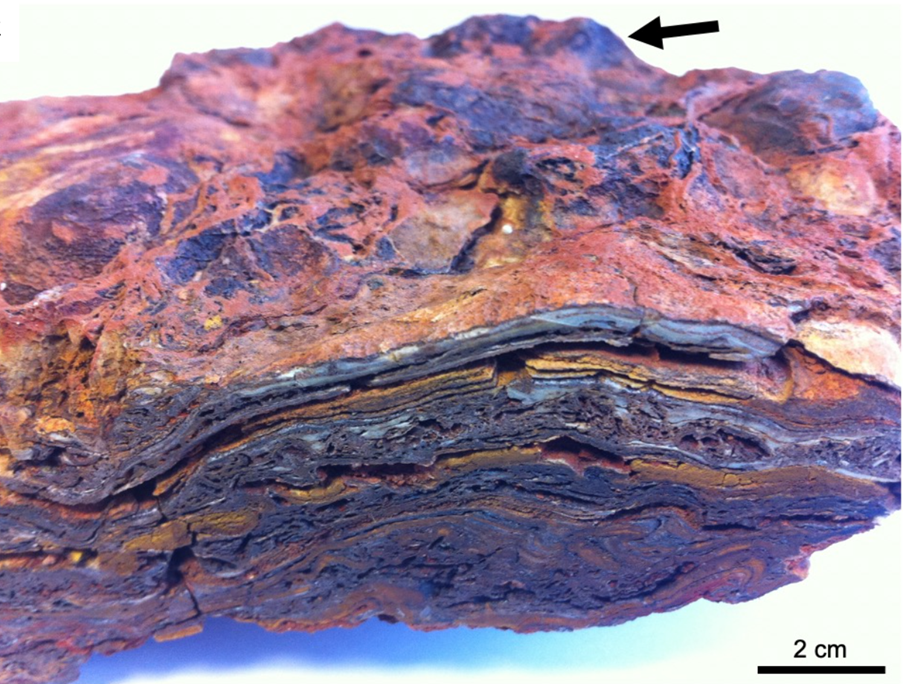
Hand sample of Dresser Formation stromatolite, showing a complex layered structure formed of hematite, barite, and quartz, and a domed upper surface (arrow).

The earliest morphological traces of life on Earth are often highly controversial, both because non-biological processes can produce relatively similar structures and because such fossils have often been subjected to advanced alteration and metamorphism. Stromatolites, layered organo-sedimentary structures reflecting complex interplays between microbial communities and their environment, have long been considered key macrofossils for life detection in ancient sedimentary rocks; however, the biological origin of ancient stromatolites has frequently been criticized...

Read More

Mars rock-ingredient stew seen as plus for habitability

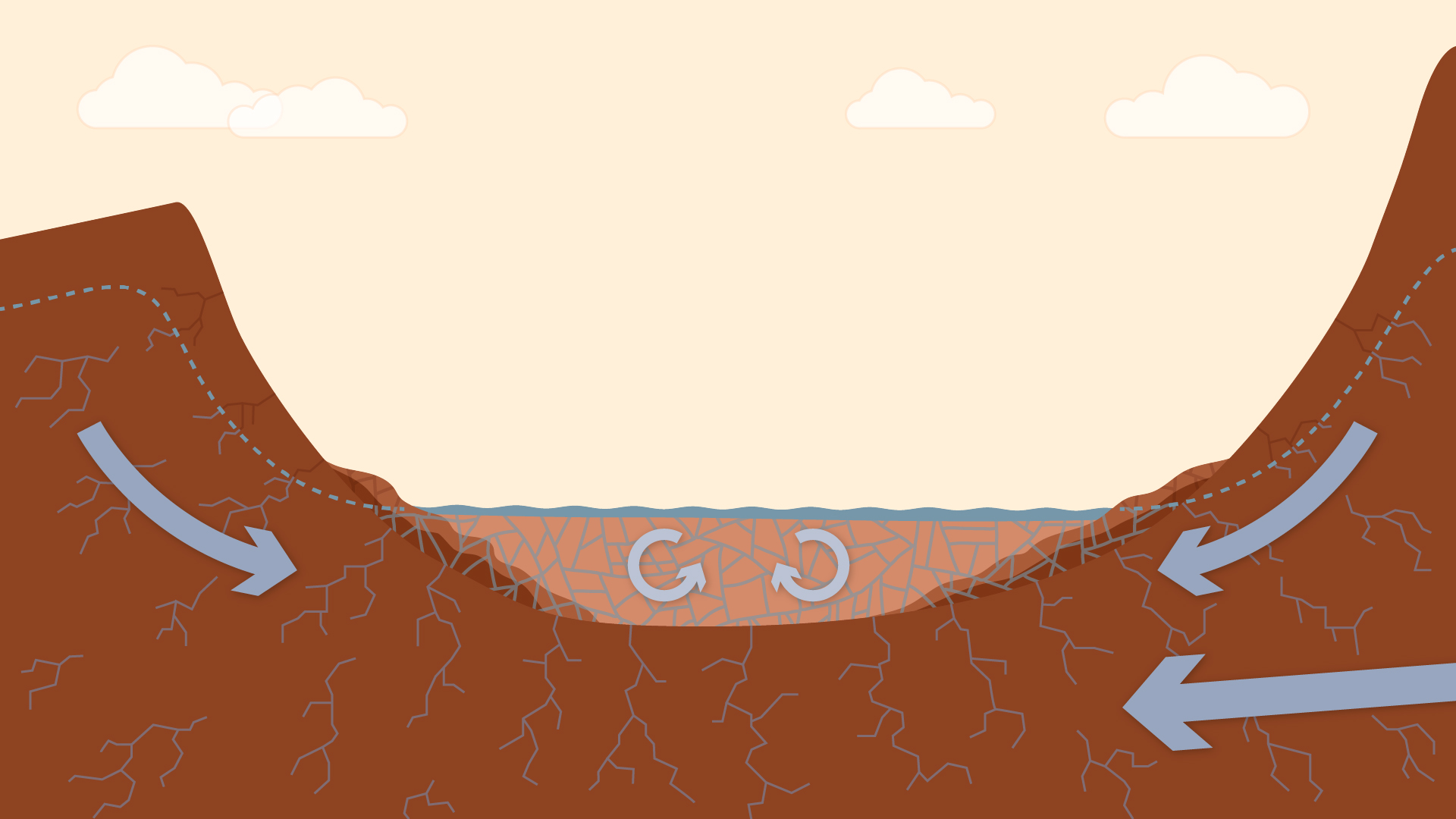
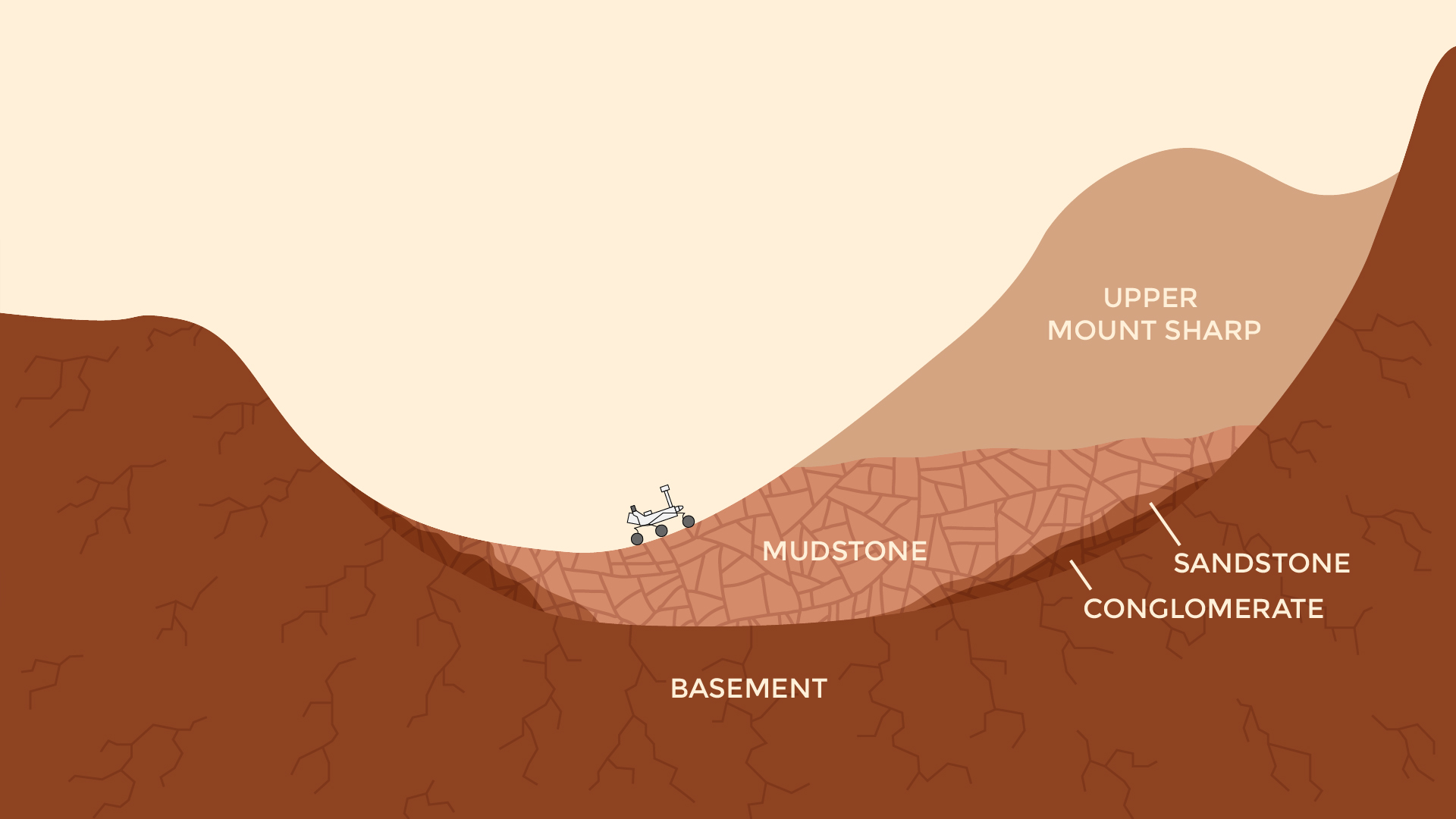
Images: This pair of drawings depicts the same location on Mars at two points in time: now and billions of years ago. The location is in Gale Crater, near the Red Planet’s equator. 1 shows a present-day snapshot of the northern half of Gale Crater. North is to the left. The underlying basement is the crust of Mars that forms the crater’s rim (left) and central peak (right). About 3.5 billion years ago, rivers brought sediment into the crater, depositing pebbles where the river was flowing more quickly, sand where the river entered a standing body of water in the center of the basin, and silt within this lake. Lake level rose over time as the sediments built up. Eventually they were buried by dry dust...

Read More