
lunar regolith tagged posts

Laser ‘origami’ could help astronauts build structures on the moon

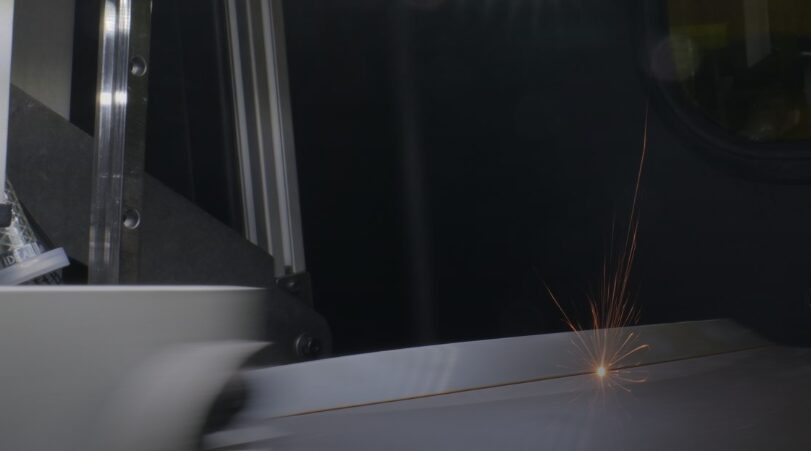
University of Florida researchers are exploring how lasers could help astronauts build structures on the moon using materials already available there, including lunar soil transformed into glass. The work, led by Victoria M. Miller, Ph.D., an associate professor in the Herbert Wertheim College of Engineering and researcher with the UF Astraeus Space Institute, recently completed a research phase focused on laser forming, a manufacturing process that bends materials without physical contact.

The team’s latest paper, published in Lasers in Manufacturing and Materials Processing, examined how different atmospheric conditions affect laser bending, an important question for future manufacturing in the vacuum of space...

Read More
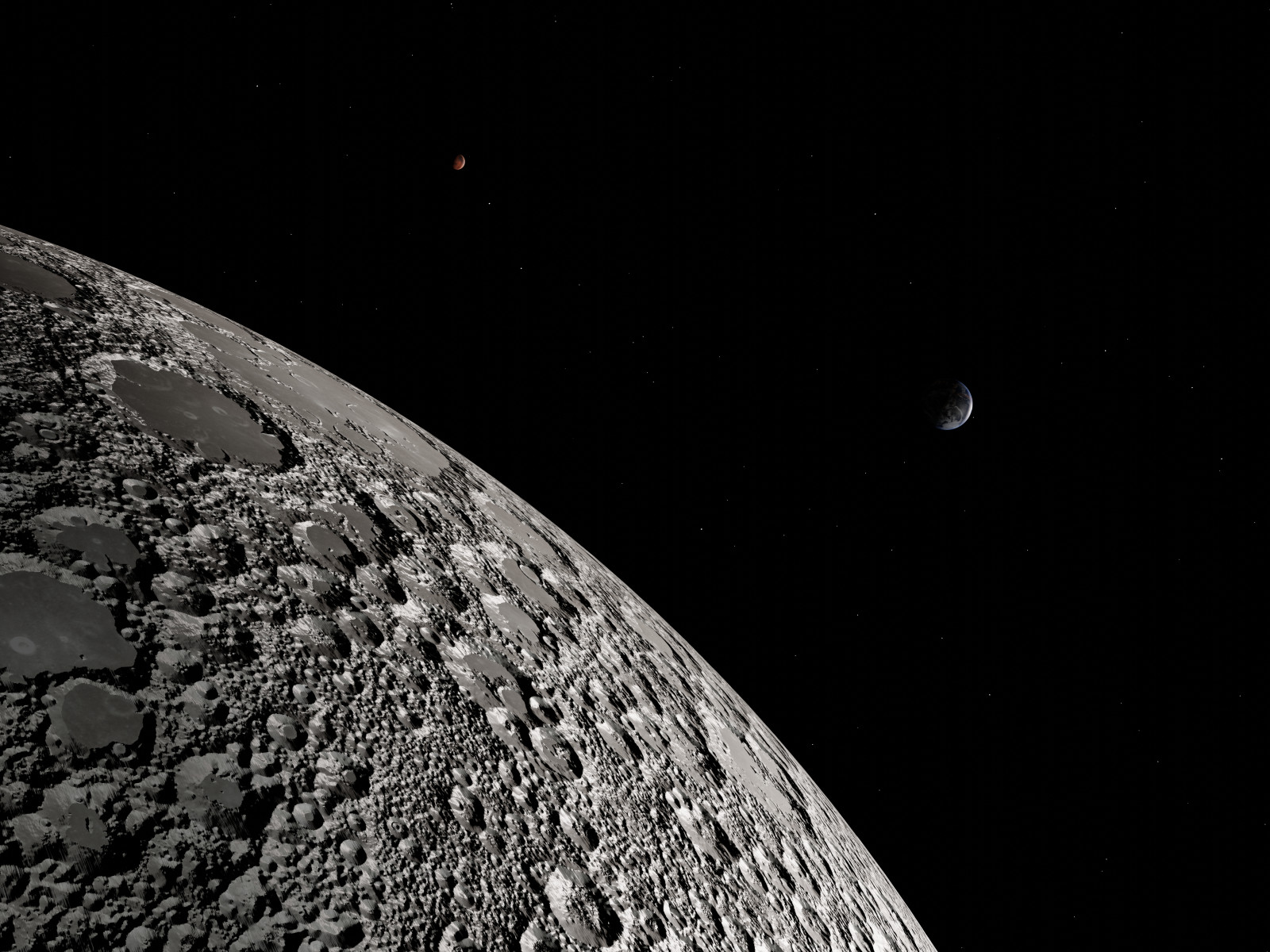
Using moon dirt with 3D printing to build future lunar colonies

Novel additive manufacturing systems may help future space explorers better survive extreme environments.
Novel additive manufacturing systems may help future space explorers better survive extreme environments.Photo: Getty Images

Simulated lunar dirt can be turned into extremely durable structures, potentially paving the way to more sustainable and cost-effective space missions, a new study suggests. Using a special laser 3D printing method, researchers melted fake lunar soil—a synthetic version of the fine dusty material on the moon surface, called regolith simulant—into layers and fused it with a base surface to manufacture small, heat-resistant objects.

If utilized on the lunar surface, the material may help build sturdy, nontoxic habitats and tools for future astronauts, capabilities that would be vital to the NASA Artemis missions that aim to establish a long-term human presen...

Read More

Solar cells made of moon dust could power future space exploration

 Overview over lunar solar energy provision strategies

The same dirt that clings to astronauts’ boots may one day keep their lights on. In a study publishing April 3 in the Cell Press journal Device, researchers created solar cells made out of simulated Moon dust. The cells convert sunlight into energy efficiently, withstand radiation damage, and mitigate the need for transporting heavy materials into space, offering a potential solution to one of space exploration’s biggest challenges: reliable energy sources.

“The solar cells used in space now are amazing, reaching efficiencies of 30% to even 40%, but that efficiency comes with a price,” says lead researcher Felix Lang of the University of Potsdam, Germany...

Read More

Novel Strategy Proposed for Massive Water Production on the Moon

Novel strategy proposed for massive water production on the moon
The strategy for in situ water production on the moon through the reaction between lunar regolith and endogenous hydrogen. Credit: NIMTE

Water plays a crucial role in human survival on the lunar surface, thus attracting extensive research attention. Prof. Wang Junqiang’s team at the Ningbo Institute of Materials Technology and Engineering (NIMTE) of the Chinese Academy of Sciences (CAS) has recently developed a new method of massive water production through a reaction between lunar regolith and endogenous hydrogen.

Research results of previous lunar explorations, like the Apollo and Chang’E-5 missions, have revealed the widespread presence of water on the moon. However, the water content in lunar minerals is extremely low, ranging from 0.0001% to 0.02%...

Read More