
Mars dust tagged posts

Dynamic duo of bacteria could change Mars dust into versatile building material for first human colonists

mars
Credit: Pixabay/CC0 Public Domain

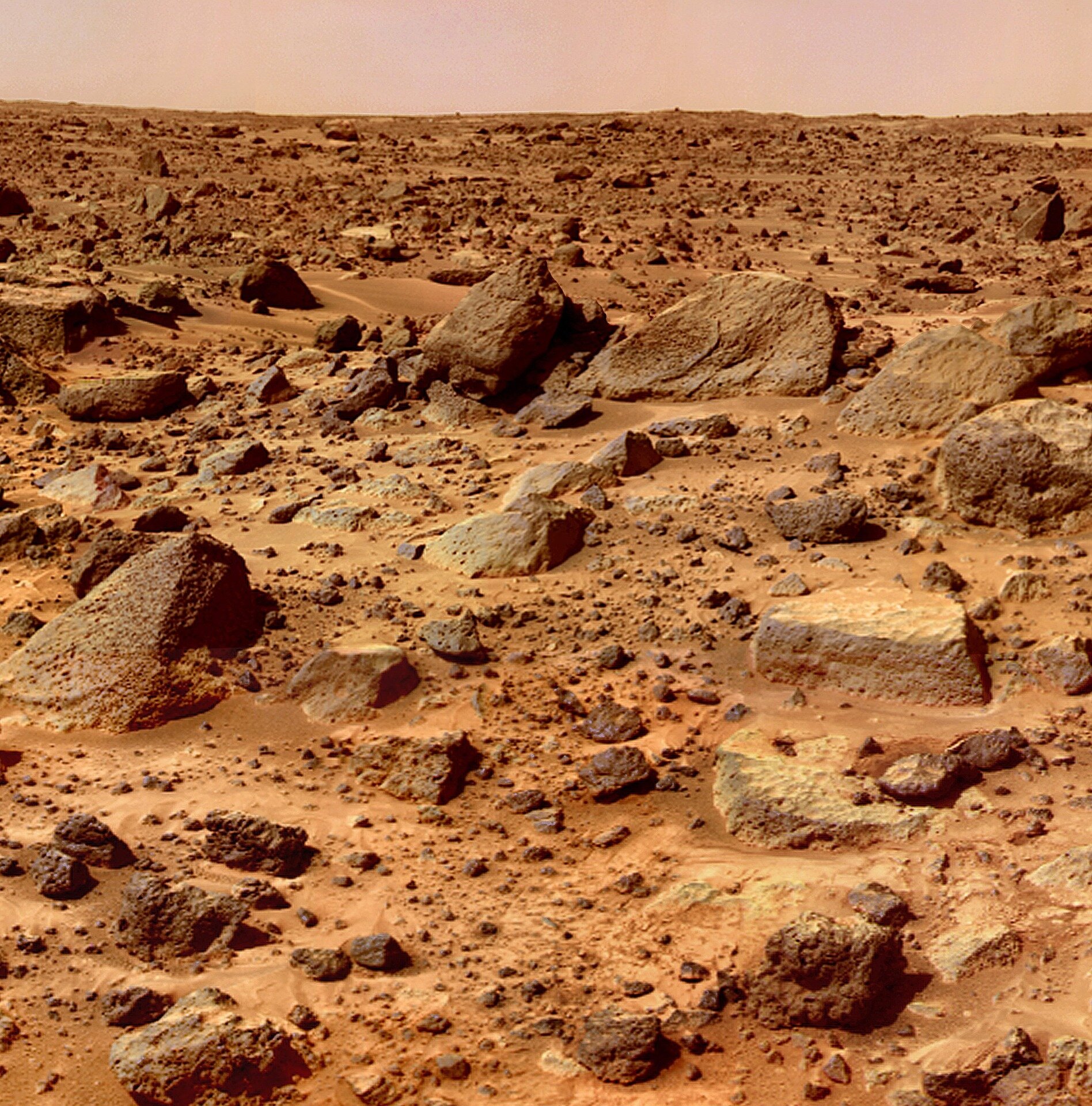
Since humanity’s first steps on the moon, the aspiration to extend human civilization beyond Earth has been a central objective of international space agencies, targeting long-term extraterrestrial habitation. Among the celestial bodies within reach, Mars is considered our next home.

The red planet, with its stark landscapes and tantalizing similarities to Earth, beckons as the frontier of human exploration and settlement. But establishing a permanent foothold on Mars remains one of humanity’s boldest dreams and the most formidable scientific and engineering challenge.

The red planet, once draped in a thick atmosphere, has undergone dramatic transformation over billions of years...

Read More

Where Martian Dust comes from

A portion of the Medusae Fossae Formation on Mars showing the effect of billions of years of erosion. The image was acquired by the High Resolution Imaging Science Experiment (HiRISE) camera onboard the Mars Reconnaissance Orbiter. Credit: NASA/JPL/University of Arizona

A portion of the Medusae Fossae Formation on Mars showing the effect of billions of years of erosion. The image was acquired by the High Resolution Imaging Science Experiment (HiRISE) camera onboard the Mars Reconnaissance Orbiter.
Credit: NASA/JPL/University of Arizona

The dust that coats much of the surface of Mars originates largely from a single thousand-kilometer-long geological formation near the Red Planet’s equator, scientists have found. A study published in the journal Nature Communications found a chemical match between dust in the Martian atmosphere and the surface feature, called the Medusae Fossae Formation...

Read More
