

Water makes up 71% of Earth’s surface, but no one knows how or when such massive quantities of water arrived on Earth.
A new study published in the journal Nature brings scientists one step closer to answering that question...
Read More

March 16, 2023,
 Astronomy/Space
Water makes up 71% of Earth’s surface, but no one knows how or when such massive quantities of water arrived on Earth.
A new study published in the journal Nature brings scientists one step closer to answering that question...
Read More
September 30, 2022,
Astronomy/Space
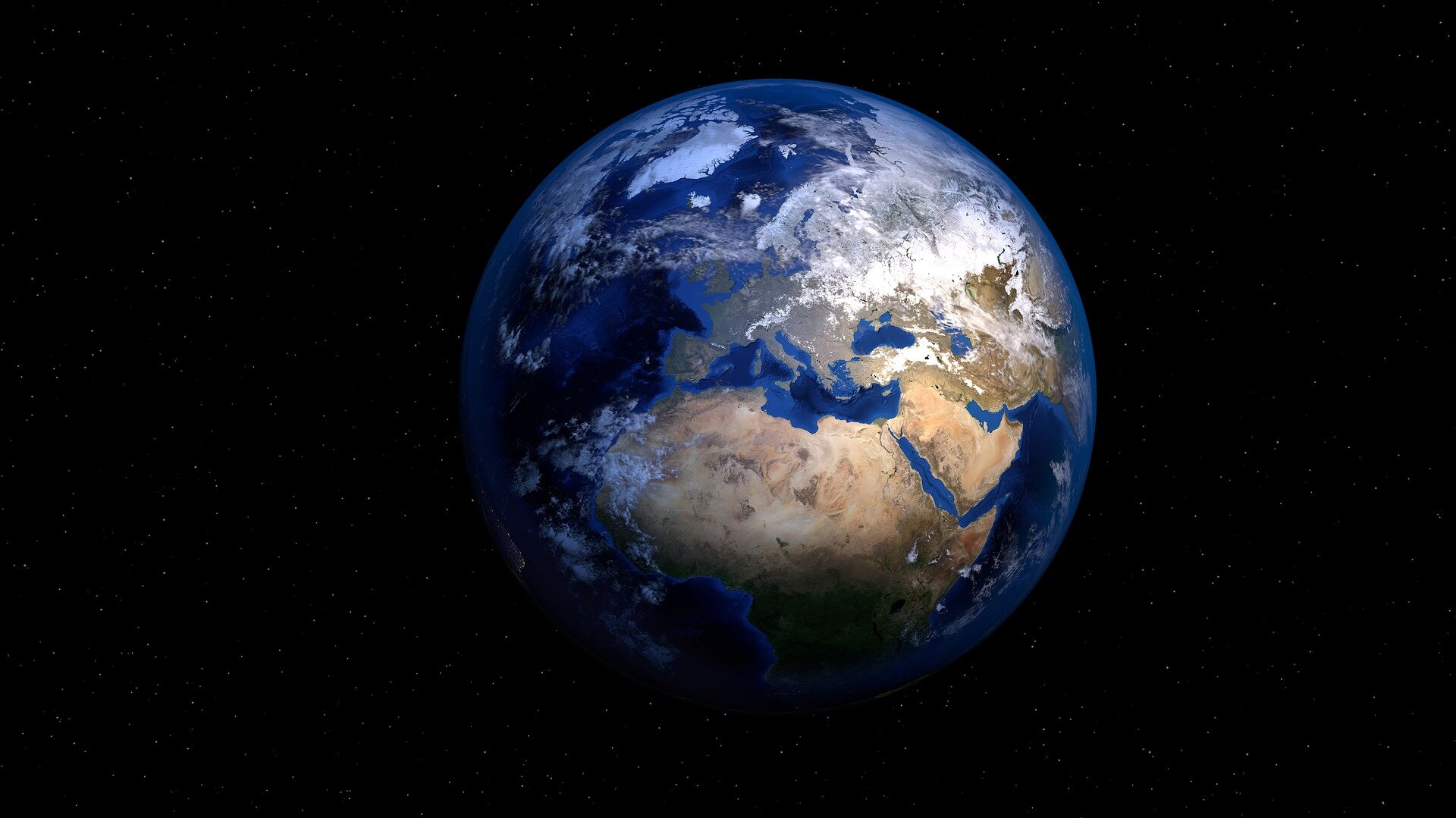
A team of researchers from Université Clermont Auvergne, working with a colleague from Universität Bayreuth, has found evidence that suggests the Earth’s composition changed over time during its early years via collisional erosion. In their paper published in the journal Science, the group describes their study of the amounts of samarium and neodymium in meteorites and what it showed them about the processes that led to the current makeup of the Earth. Zoë Malka Leinhardt, with the University of Bristol, has published a Perspective piece in the same journal issue outlining theories regarding the formation of the Earth and the work done by the team on this new effort.
Prior research has suggested that planets form from collisions of material in accretion ...
Read More
September 21, 2021,
Astronomy/Space
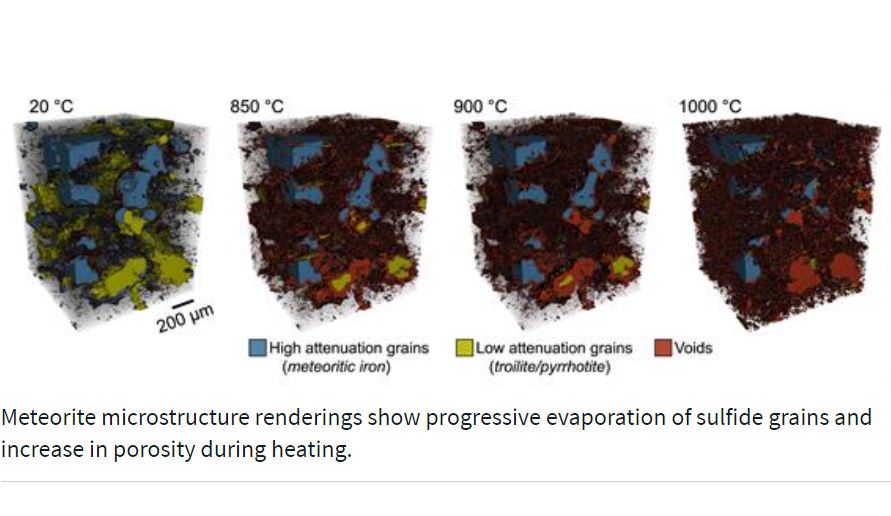
Researchers at the University of Illinois Urbana-Champaign watched fragments of two meteors as they ramped up the heat from room temperature to the temperature it reaches as it enters Earth’s atmosphere and made a significant discovery. The vaporized iron sulfide leaves behind voids, making the material more porous. This information will help when predicting the weight of a meteor, its likelihood to break apart, and the subsequent damage assessment if it should land.
“We extracted samples from the interiors that had not already been exposed to the high heat of the entry environment,” said Francesco Panerai, professor in the Department of Aerospace Engineering at UIUC. “We wanted to understand how the microstructure of a meteorite changes as it travels through the atmosphere.”
Pa...
Read More
August 12, 2021,
Astronomy/Space
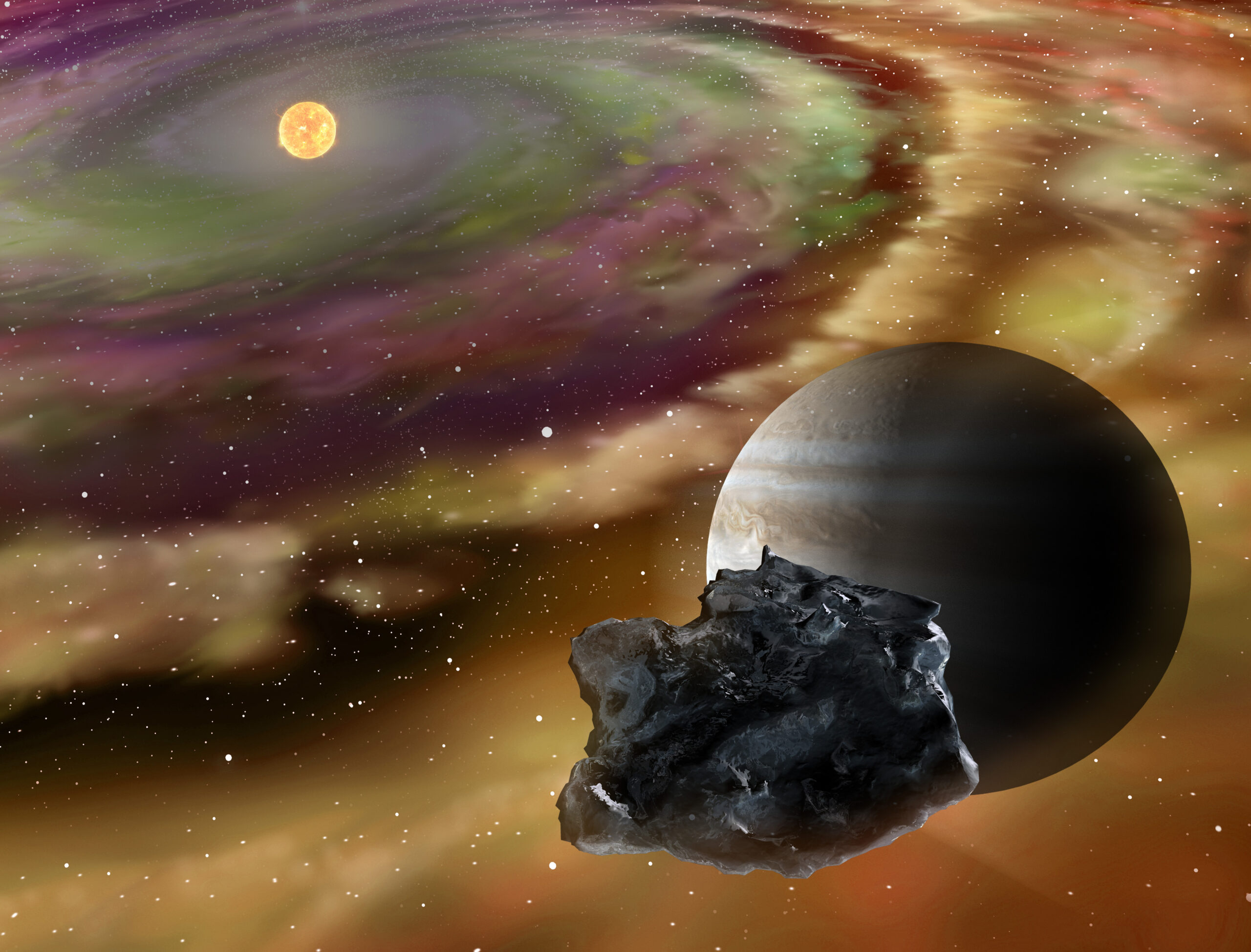
Researchers have developed a novel technique to investigate the dynamics of the early Solar System by analyzing magnetites in meteorites utilizing the wave nature of electrons.
Within meteorites, the magnetic fields associated with the particles that make up the object can act as a historical record. By analyzing such magnetic fields, scientists can deduce the probable events that affected the object and reconstruct a time-lapse of what events occurred on the meteorite and when.
“Primitive meteorites are time capsules of primordial materials formed at the beginning of our Solar System,” said Yuki Kimura, an associate professor at the Institute of Low Temperature Sci...
Read More

Recent Comments