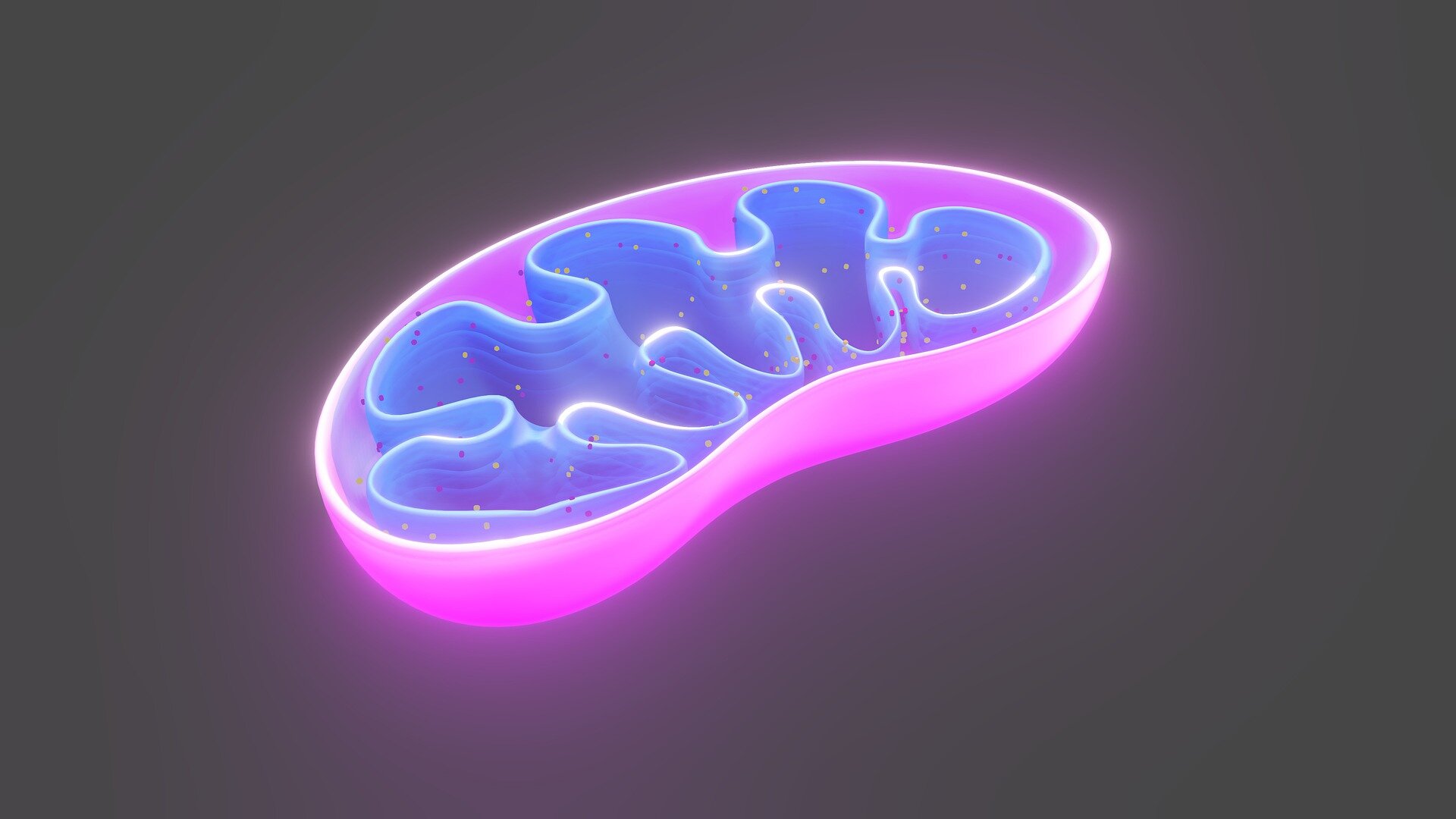
mitochondria tagged posts

Why energy fades with age: Missing membrane lipid may destabilize mitochondria

The Hidden Chemistry of Aging Mitochondria
As we age, mitochondria lose flexibility and energy efficiency. The membrane lipid phosphatidylcholine plays a key role in this process: when its production decreases, mitochondrial function deteriorates significantly. Credit: FLI / Kerstin Wagner; AI-generated with Google Gemini

Why do cells age—and why do we lose our energy and vitality as we get older? This question is one of the central challenges of modern biomedicine. The focus is particularly on mitochondria—tiny cellular organelles long known as the cell’s powerhouses but now understood as dynamic control centers that not only produce energy, but also coordinate cellular communication, adaptation, and many of the processes essential for life.

They supply us with the energy that our body needs for movement, growth, and re...

Read More

Scientists boost mitochondria to burn more calories

Image: Adobe Stock by By Rostislav Sedlacek

Researchers have developed experimental drugs that encourage the mitochondria in our cells to work a little harder and burn more calories. The findings could open the door to new treatments for obesity and improve metabolic health.

Obesity is a global epidemic and a risk factor for many diseases, including diabetes and cancer. Current obesity drugs require injections and can cause side effects, so a safe way to boost weight loss could deliver significant public health benefits.

The study, led by Associate Professor Tristan Rawling from the University of Technology Sydney (UTS), has just been published in Chemical Science, where it was highlighted as “pick of the week.”

How mitochondrial uncouplers work
The research team, from UTS and ...

Read More

Hidden weakness makes prostate cancer self-destruct

Hidden Weak Spot May Help Defeat Prostate Cancer
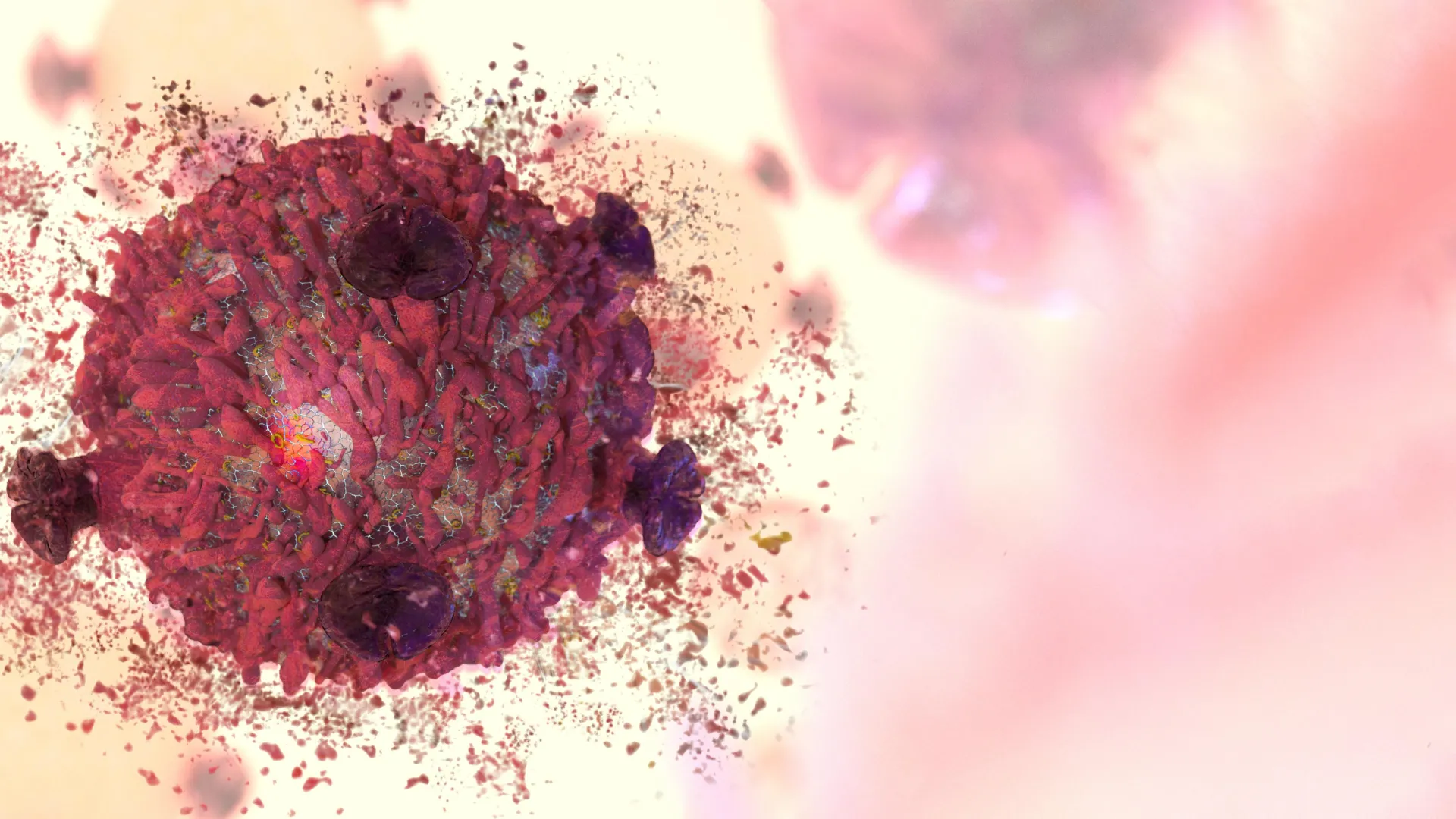
Scientists have identified a major weakness in prostate cancer cells by uncovering two enzymes, PDIA1 and PDIA5, that help the disease survive and resist treatment. Blocking these enzymes destabilizes the androgen receptor, the main driver of prostate cancer, causing tumor shrinkage and cell death. Credit: Shutterstock

Scientists found a hidden flaw in prostate cancer’s survival system. Researchers have discovered that prostate cancer depends on two key enzymes, PDIA1 and PDIA5, to survive and resist therapy. When blocked, these enzymes cause the androgen receptor to collapse, killing cancer cells and enhancing the effects of drugs like enzalutamide. They also disrupt the cancer’s energy system, striking it on multiple fronts...

Read More

Throwing a ‘spanner in the works’ of our cells’ machinery could help fight cancer, fatty liver disease… and hair loss

mitochondria
Credit: Pixabay/CC0 Public Domain

Fifty years since its discovery, scientists have finally worked out how a molecular machine found in mitochondria allows us to make the fuel we need from sugars, a process vital to all life on Earth.

Scientists at the Medical Research Council (MRC) Mitochondrial Biology Unit, University of Cambridge, have worked out the structure of this machine and shown how it operates like the lock on a canal to transport pyruvate—a molecule generated in the body from the breakdown of sugars—into our mitochondria.

Known as the mitochondrial pyruvate carrier, this molecular machine was first proposed to exist in 1971, but it has taken until now for scientists to visualize its structure at the atomic scale using cryo-electron microscopy, a technique used to ...

Read More