mtDNA tagged posts

Mitochondrial building block balance linked to age-related inflammation

Mitochondrial building block balance linked to age-related inflammation
STING-dependent inflammation after MGME1 loss. Credit: Nature (2025). DOI: 10.1038/s41586-025-09541-7

Research led by the Max Planck Institute for Biology of Aging in Cologne reports that misincorporation of ribonucleotides into mitochondrial DNA (mtDNA) initiates an inflammatory cascade.

Mitochondria support cell survival through metabolic and signaling roles. Conversely, their disruption has been associated with inflammation, cell death and disease.

Innate immune activation through the cGAS-STING-TBK1 pathway can move a cell from short-term defense to a chronic state of alarm. cGAS-STING activity is linked to autoimmune and inflammatory diseases and contributes to senescence and aging, intertwining immune signaling with tissue decline.

Senescent cells then adopt a secretor...

Read More
Scientists Reveal How our Cells’ Leaky Batteries are making us Sick

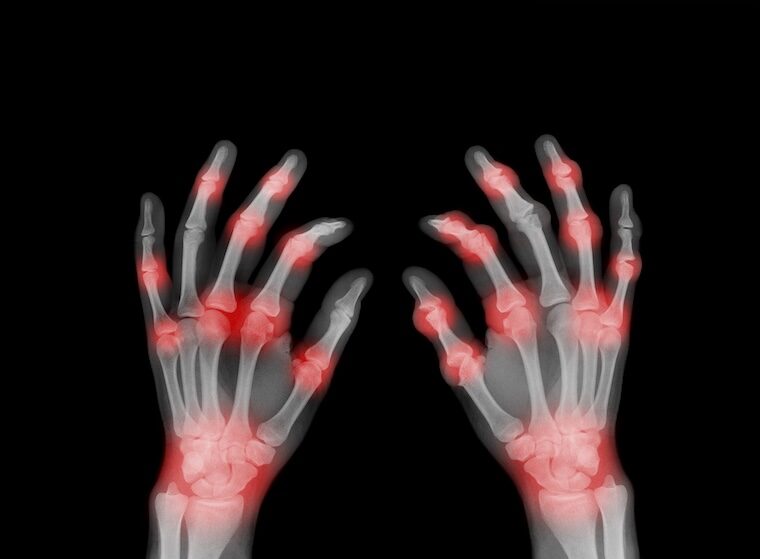
X ray of painful hands
Rheumatoid arthritis is a chronic inflammatory condition that can damage joints.

The new findings could lead to better treatments for rheumatoid arthritis, lupus and other inflammatory diseases – and may even help us slow aging.

Researchers have discovered how “leaky” mitochondria can drive harmful inflammation responsible for diseases such as lupus and rheumatoid arthritis. Scientists may be able to leverage the findings to develop better treatments for those diseases, improve our ability to fight off viruses and even slow aging.

The new discovery reveals how genetic material can escape from our cellular batteries, known as mitochondria, and prompt the body to launch a damaging immune response...

Read More

Mature Sperm Lack Intact Mitochondrial DNA

Sperm TFAM relocalization during spermatogenesis.

New research provides insight about the reason mitochondria — the powerhouse of the cell — pass only from the mother. Scientists have long recognized the fact that mitochondrial DNA, or mtDNA, comes exclusively from egg cells in humans, meaning only the mother contributes the genetic code carried by thousands of mitochondria necessary for energy production in every cell in the body.

Previously, it was believed that paternal mtDNA was eliminated soon after a sperm fuses with an oocyte, or developing egg, during fertilization, possibly through an immune-like search-and-destroy response.

However, the study found that while mature sperm do carry a small number of mitochondria, they lack intact mtDNA.

“We found that each sperm cell ...

Read More

Powerhouses of the Cells: Mitochondria have a Waste Disposal Mechanism to get rid of Mutated mtDNA

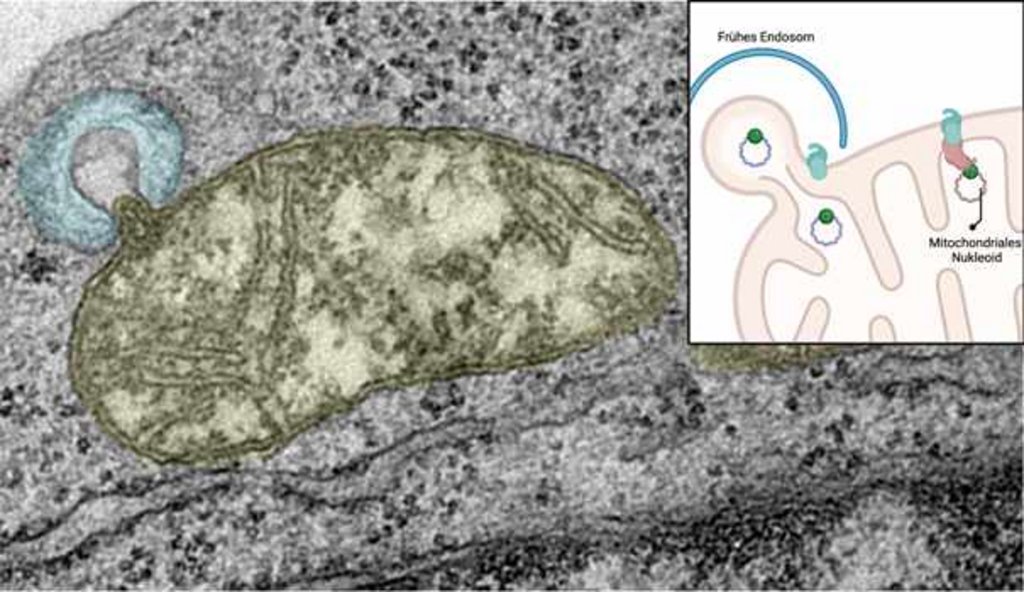
Electron micrograph of nucleoid extraction in a cell and schematic representation of the new mechanism. Copyright: David Pla-Martin

A research team has identified a molecular target that could open up new therapeutic options to treat aging-associated diseases like Parkinson’s. Scientists at the University of Cologne have discovered how cells can eliminate mutated mitochondrial DNA (mtDNA). Mitochondria are the powerhouses of our cells. Due to their evolutionary descent from bacteria, they still have genetic material packaged in chromosome-like structures (nucleoids). They convert the chemical energy in our food into a biologically usable form...

Read More