
N2 tagged posts

Scientists use lightning to make ammonia out of thin air

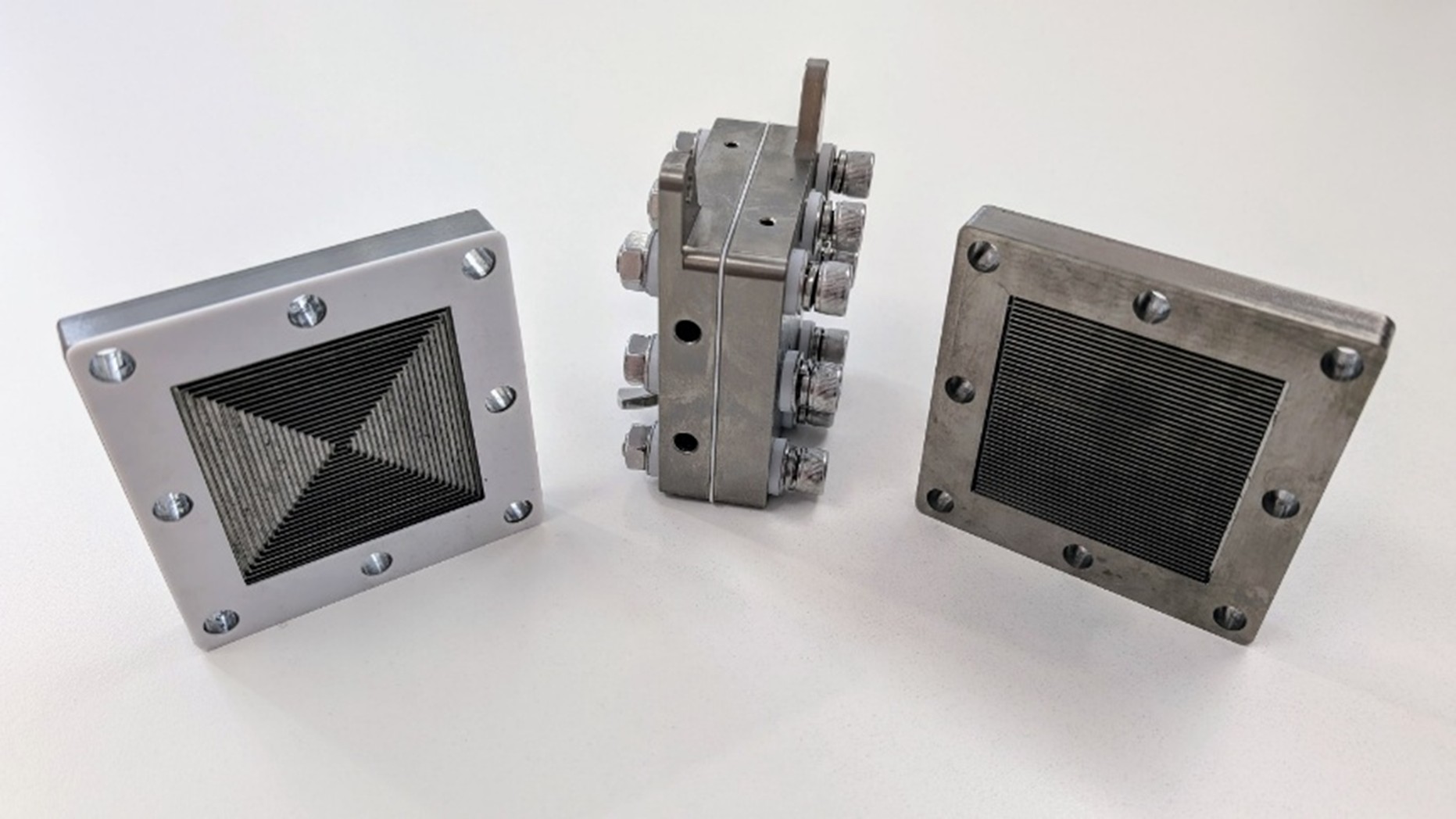
Electrolyser, the key equipment used for the conversion to ammonia
The membrane-based electrolyser, key to where the conversion to gaseous ammonia happens. Credit. PJ Cullen

University of Sydney researchers have harnessed human-made lightning to develop a more efficient method of generating ammonia—one of the world’s most important chemicals. Ammonia is also the main ingredient of fertilizers that account for almost half of all global food production.

The research was published in Angewandte Chemie International edition.

The team have successfully developed a more straightforward method to produce ammonia (NH3) in gas form. Previous efforts by other laboratories produced ammonia in a solution (ammonium, NH4+), which requires more energy and processes to transform it into the final gas product.

The current method to generate ammonia, the Hab...

Read More

Light-Powered Nano-organisms consume CO2, create Eco-friendly Plastics and Fuels

Microbes
A gram of biodegradable plastic created by nanobio-hybrid microbes developed by CU Boulder engineers. Photo: Nagpal Lab / University of Colorado Boulder 

University of Colorado Boulder researchers have developed nanobio-hybrid organisms capable of using airborne carbon dioxide and nitrogen to produce a variety of plastics and fuels, a promising first step toward low-cost carbon sequestration and eco-friendly manufacturing for chemicals.

By using light-activated quantum dots to fire particular enzymes within microbial cells, the researchers were able to create “living factories” that eat harmful CO2 and convert it into useful products such as biodegradable plastic, gasoline, ammonia and biodiesel.

“The innovation is a testament to the power of biochemical processes,” said Prasha...

Read More
