
obesity tagged posts

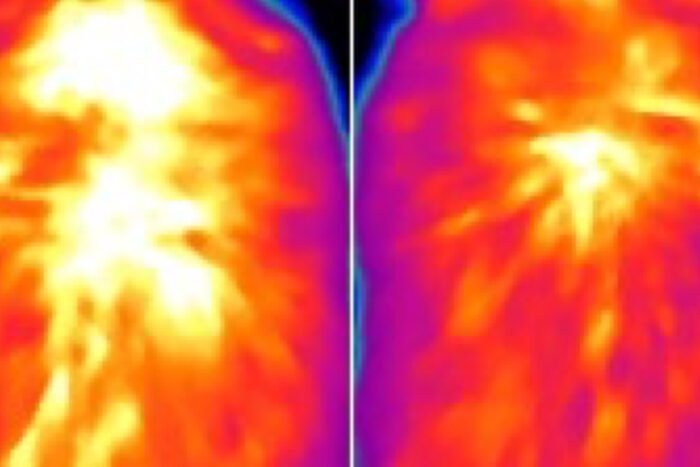
A hidden “backup heater” that helps burn fat and boost metabolism

Weisensee Lab

Scientists at Washington University School of Medicine in St. Louis have uncovered a new way that brown fat, a type of fat that burns energy, can boost the body’s metabolism. This process allows cells to consume more fuel and generate heat, improving overall metabolic health. Conducted in mice, the research points to new possibilities for using brown fat to address metabolic conditions such as insulin resistance and obesity.

The findings were published Sept. 17 in Nature.

Brown fat is unique because it turns energy (calories) from food into heat. Unlike white fat, which stores energy, or muscle, which uses it immediately, brown fat helps keep the body warm in cold environments...

Read More

Excessive oleic acid, found in olive oil, shown to drive fat cell growth

olive oil
Credit: CC0 Public Domain

Eating a high-fat diet containing a large amount of oleic acid—a type of fatty acid commonly found in olive oil—could drive obesity more than other types of dietary fats, according to a study published in the journal Cell Reports.

The study found that oleic acid, a monounsaturated fat associated with obesity, causes the body to make more fat cells. By boosting a signaling protein called AKT2 and reducing the activity of a regulating protein called LXR, high levels of oleic acid resulted in faster growth of the precursor cells that form new fat cells.

“We know that the types of fat that people eat have changed during the obesity epidemic...

Read More

Newly discovered mechanism of mitochondrial dysfunction in obesity may drive insulin resistance and type 2 diabetes

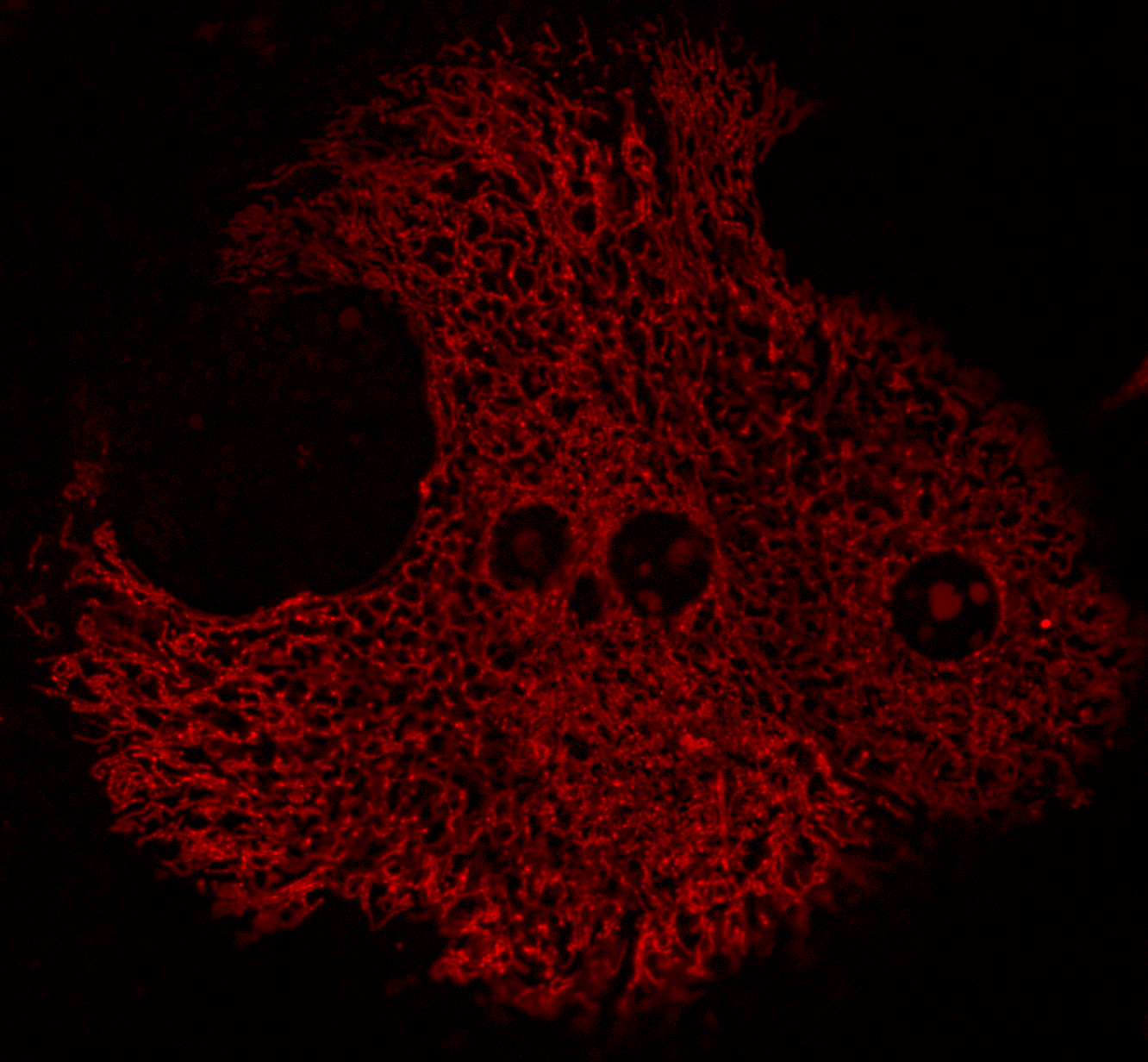
Mitochondria within liver cells from obese mice show signs of dysfunction by producing excessive reactive oxygen species (red), which is harmful and contributes to insulin resistance and type 2 diabetes. Image courtesy of Renata Goncalves.

A newly discovered mechanism that leads to liver dysfunction may be a key factor in type 2 diabetes and other metabolic disorders in individuals with obesity, according to a new study led by Harvard T.H. Chan School of Public Health.

The dysfunction identified—dysregulated hepatic coenzyme Q metabolism—leads to excessive reactive oxygen species (ROS) produced by mitochondria at a single specific site in an enzyme called complex I. The researchers say the discovery offers a potential path for new, precise treatments for metabolic diseases.

“Our findings provide the first step toward solving a complex problem in the field of metabolic disease research that has stood for three decades,” said corresponding author Gökhan S...

Read More

Dual-action nanoparticle therapy targets obesity by converting white fat and reducing inflammation

Researchers at Terasaki Institute and University of Maryland School of Pharmacy collaborate to develop a dual-action nanotherapy for obesity
Graphical abstract. Credit: Journal of Controlled Release (2025). DOI: 10.1016/j.jconrel.2025.113670

Scientists at the Terasaki Institute for Biomedical Innovation, in collaboration with the University of Maryland School of Pharmacy, have developed a new nanoparticle therapy that tackles obesity through two complementary mechanisms: converting energy-storing white fat into calorie-burning beige fat while simultaneously reducing obesity-related inflammation.

Their findings, published in the Journal of Controlled Release, are detailed in an article titled “Apigenin-loaded nanoparticles for obesity intervention through immunomodulation and adipocyte browning...

Read More
