

Obesity caused by disrupted stress-hormone rhythms is metabolically very different from obesity caused by a high-fat diet, according to a new preclinical study by Weill Cornell Medicine investigators...
Read More

September 11, 2026,
 Health/Medical, Biology/Biotechnology
Obesity caused by disrupted stress-hormone rhythms is metabolically very different from obesity caused by a high-fat diet, according to a new preclinical study by Weill Cornell Medicine investigators...
Read More
March 8, 2026,
Health/Medical, Biology/Biotechnology

Treatment with glucagon-like peptide-1 receptor agonists (GLP-1 RAs) for type 2 diabetes and obesity is independently associated with a significantly increased five-year risk for osteoporosis, gout, and osteomalacia compared with nonuse, according to a study presented at the annual meeting of the American Academy of Orthopaedic Surgeons, held from March 2 to 6 in New Orleans.
Muaaz Wajahath, from the Michigan State University College of Human Medicine in East Lansing, and colleagues evaluated the five-year risk for osteoporosis, gout, and osteomalacia in adults with both type 2 diabetes and obesity treated with GLP-1 RAs (semaglutide, liraglutide, dulaglutide, or exenatide) compared with matched controls (73,483 per group).
The researchers found that at five years, patients expo...
Read More
October 14, 2025,
Health/Medical, Biology/Biotechnology
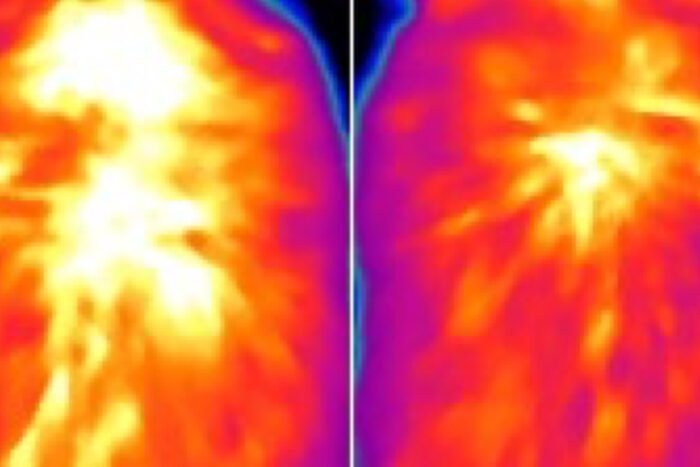
Scientists at Washington University School of Medicine in St. Louis have uncovered a new way that brown fat, a type of fat that burns energy, can boost the body’s metabolism. This process allows cells to consume more fuel and generate heat, improving overall metabolic health. Conducted in mice, the research points to new possibilities for using brown fat to address metabolic conditions such as insulin resistance and obesity.
The findings were published Sept. 17 in Nature.
Brown fat is unique because it turns energy (calories) from food into heat. Unlike white fat, which stores energy, or muscle, which uses it immediately, brown fat helps keep the body warm in cold environments...
Read More
June 9, 2025,
Health/Medical, Biology/Biotechnology

Eating a high-fat diet containing a large amount of oleic acid—a type of fatty acid commonly found in olive oil—could drive obesity more than other types of dietary fats, according to a study published in the journal Cell Reports.
The study found that oleic acid, a monounsaturated fat associated with obesity, causes the body to make more fat cells. By boosting a signaling protein called AKT2 and reducing the activity of a regulating protein called LXR, high levels of oleic acid resulted in faster growth of the precursor cells that form new fat cells.
“We know that the types of fat that people eat have changed during the obesity epidemic...
Read More
Recent Comments