
pain tagged posts

A new genetic link to pain provides a promising drug target

Chronic pain research breakthrough identifies promising drug target
Cryo-EM processing workflow of SLC45A4 in LMNG, including local and global resolution estimates. Credit: Nature (2025). DOI: 10.1038/s41586-025-09326-y

Chronic pain is life-changing and considered one of the leading causes of disability worldwide, making daily life difficult for millions of people around the world, and exacerbating personal and economic burdens. Despite established theories about the molecular mechanisms behind it, scientists have been unable to identify the specific processes in the body responsible, until now.

In an exciting collaboration, a team led by NDCN’s Professor David Bennett, and Professor Simon Newstead in the Department of Biochemistry and Kavli Institute for NanoScience Discovery, have identified a new genetic link to pain, determined the structure o...

Read More
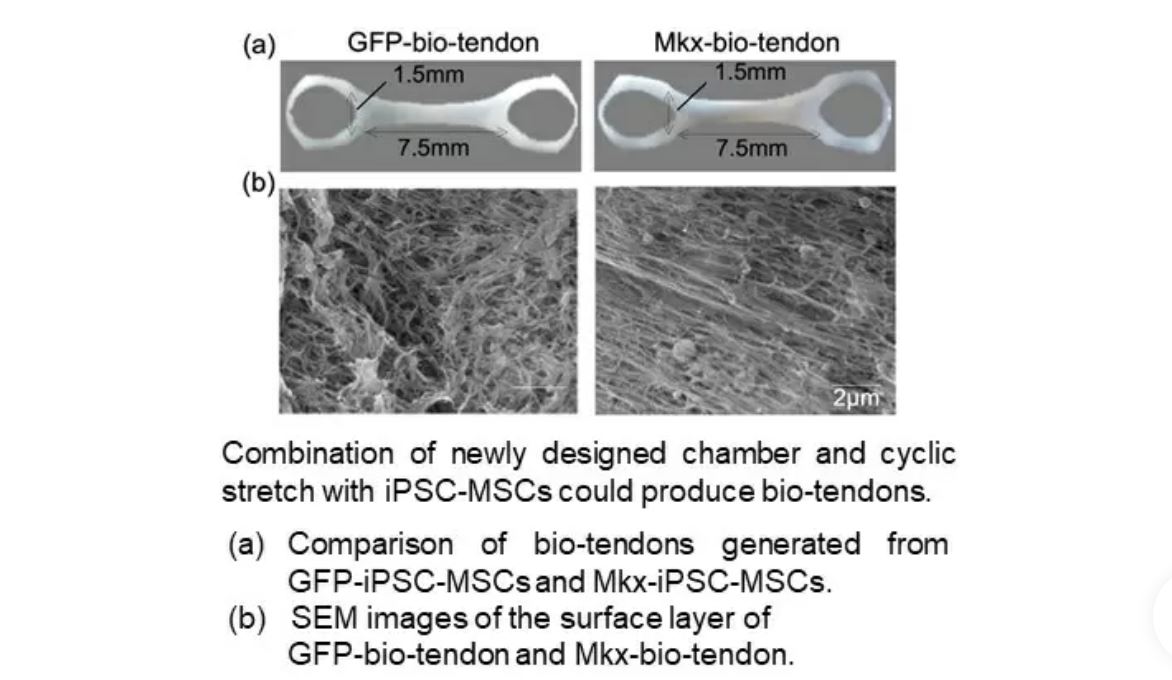
Connecting Science to Medicine: Tendon-like Tissue created from Human Stem Cells

Researchers develop artificial tendons in vitro from human stem cells that could fix common tendon injuries such as Achilles tendon rupture. Tendons are tissues that connect muscles to bones and are important for movement and locomotion. Injuries to tendons are quite common, with millions of people — particularly athletes — affected worldwide, and can often take many months to recover from, significantly impacting quality of life. Furthermore, while many options for treatment exist, none of them are perfect cures and many result in pain, immunogenicity, or long-term treatment failure. Therefore, a novel therapeutic strategy for tendon repair is needed.

In a study published in the Journal of Tissue Engineering in January 2022, researchers from Tokyo Medical and Dental University (TM...

Read More

Scientists find Brain Center that ‘Profoundly’ Shuts Down Pain

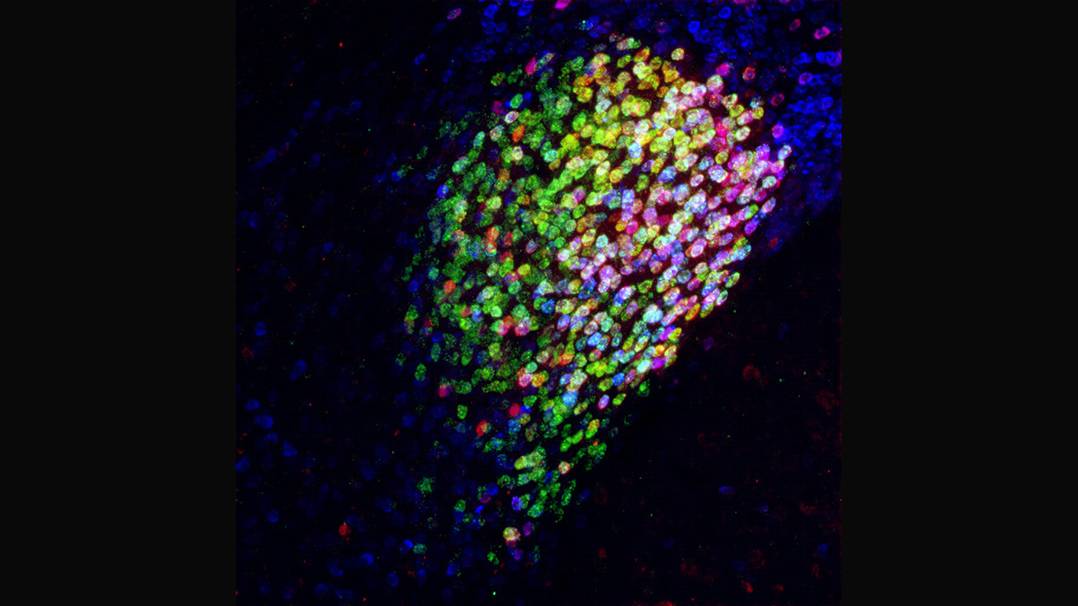
Neuron cells in the central amygdala of a mouse brain. Red, magenta and yellow cells (but not green or blue) are parts of a collection of neurons called the CeAga that has potent pain-suppression abilities. (Fan Wang Lab)

A Duke University research team has found a small area of the brain in mice that can profoundly control the animals’ sense of pain.

Somewhat unexpectedly, this brain center turns pain off, not on. It’s also located in an area where few people would have thought to look for an anti-pain center, the amygdala, which is often considered the home of negative emotions and responses, like the fight or flight response and general anxiety.

“People do believe there is a central place to relieve pain, that’s why placebos work,” said senior author Fan Wang, the Morris N...

Read More

Hay Fever Medicine Reduces Symptoms of Irritable Bowel Syndrome

The cause of abdominal pain in patients with irritable bowel syndrome has been identified by researchers. As a result, they were able to select a medicine that could reduce or end that pain. This medicine is already used to treat hay fever. IBS patients have extremely sensitive bowels associated with increased pain perception. The exact cause of this hypersensitivity has long been unknown. Researchers already knew that the bowels of patients with IBS contain larger quantities of the substance histamine, but the specific link with hypersensitivity had not yet been made.

KU Leuven professor of gastroenterology Guy Boeckxstaens and his team have now shown that histamine has an impact on the pain receptor TRPV1. In IBS patients, histamine released in the gut makes TRPV1 hypersensitive...

Read More
