
poor sleep tagged posts

Poor sleep may accelerate brain aging

poor sleep
Credit: Unsplash/CC0 Public Domain

People who sleep poorly are more likely than others to have brains that appear older than they actually are. This is according to a comprehensive brain imaging study from Karolinska Institutet, published in the journal eBioMedicine. The paper is titled “Poor sleep health is associated with older brain age: the role of systemic inflammation.”

Increased inflammation in the body may partly explain the association.

Poor sleep has been linked to dementia, but it is unclear whether unhealthy sleep habits contribute to the development of dementia or whether they are rather early symptoms of the disease.

In a new study, researchers at Karolinska Institutet have investigated the link between sleep characteristics and how old the brain appears in relat...

Read More
Poor Sleep linked to increased risk of COPD Flare-ups

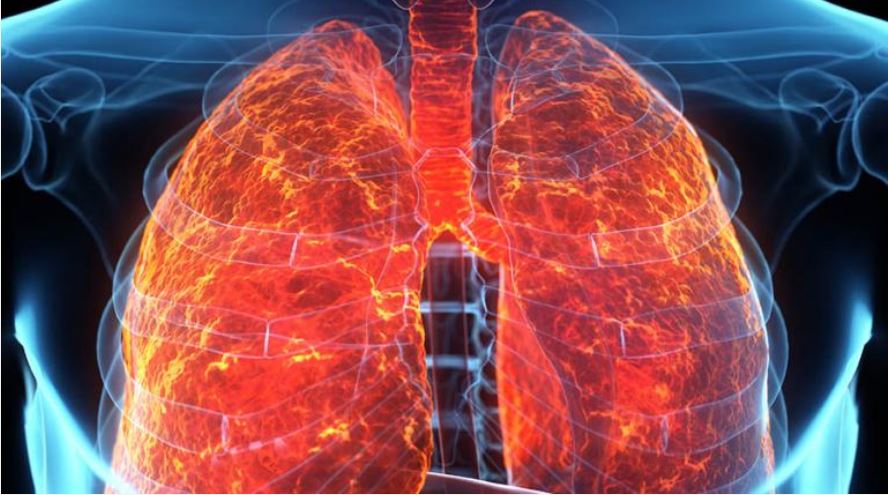
Poor sleep is associated with a significantly increased risk of life-threatening flare-ups in people withchronic obstructive pulmonary disease, or COPD, according to a new study supported by the National Institutes of Health. The risk for these flare-ups – sudden bouts of worsening breathing – was 25% to 95% higher in people who experienced poor sleep than in people who had good quality sleep. The findings suggest that poor sleep may be a better predictor of flare-ups than even a person’s history of smoking.

The observational study, one of the largest to look at the links between sleep quality and COPD flare-ups, was largely funded by the National Heart, Lung, and Blood Institute (NHLBI), part of the NIH. Its findings appear online on June 6 in the journal SLEEP.

COPD, a progres...

Read More

Why Bad Sleep Doesn’t always lead to Depression

Higher activity in the ventral striatum, the brain's reward center, may buffer some individuals against the negative mental health effects of poor sleep. Credit: Annchen R. Knodt, Duke University

Higher activity in the ventral striatum, the brain’s reward center, may buffer some individuals against the negative mental health effects of poor sleep. Credit: Annchen R. Knodt, Duke University

Brain’s reward center activity may protect against negative mental health effects. Poor sleep is both a risk factor, and a common symptom, of depression. But not everyone who tosses and turns at night becomes depressed. Individuals whose brains are more attuned to rewards may be protected from the negative mental health effects of poor sleep, says a new study by Duke University neuroscientists.

The researchers found that college students with poor quality sleep were less likely to have symptoms of depression if they also had higher activity in a reward-sensitive region of the brain...

Read More
