Prostate Cancer tagged posts

Hidden weakness makes prostate cancer self-destruct

Hidden Weak Spot May Help Defeat Prostate Cancer
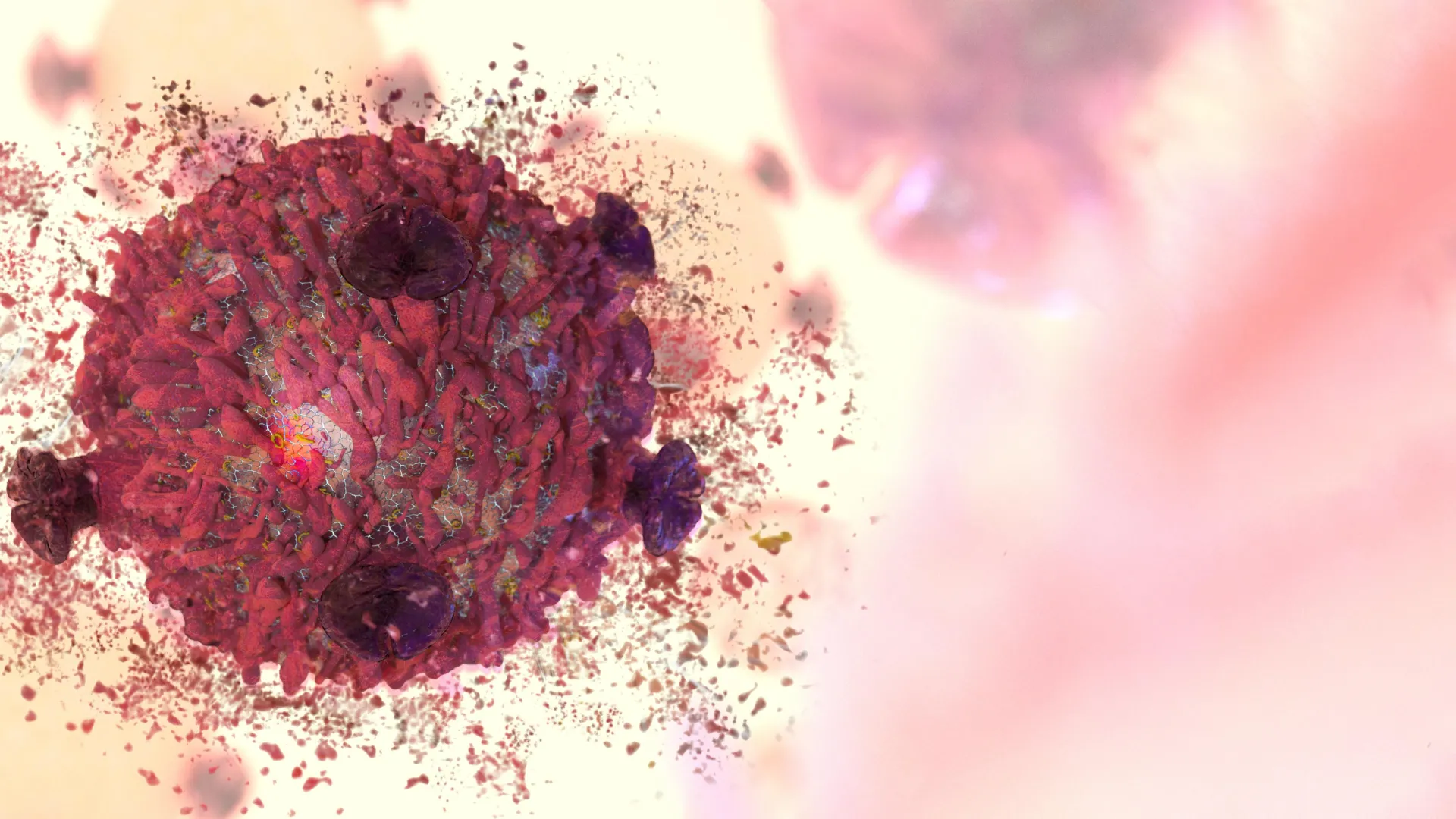
Scientists have identified a major weakness in prostate cancer cells by uncovering two enzymes, PDIA1 and PDIA5, that help the disease survive and resist treatment. Blocking these enzymes destabilizes the androgen receptor, the main driver of prostate cancer, causing tumor shrinkage and cell death. Credit: Shutterstock

Scientists found a hidden flaw in prostate cancer’s survival system. Researchers have discovered that prostate cancer depends on two key enzymes, PDIA1 and PDIA5, to survive and resist therapy. When blocked, these enzymes cause the androgen receptor to collapse, killing cancer cells and enhancing the effects of drugs like enzalutamide. They also disrupt the cancer’s energy system, striking it on multiple fronts...

Read More

Prostate Cancer Study: More Health Benefits from Plant-based Diet

A man fixes broccoli onto a green plate.

Men with prostate cancer could significantly reduce the chances of the disease worsening by eating more fruits, vegetables, nuts, and olive oil, according to new research by UC San Francisco.

A study of more than 2,000 men with localized prostate cancer found that eating a primarily plant-based diet was associated with a 47% lower risk that their cancer would progress, compared with those who consumed the most animal products.

This amounted to eating just one or two more servings per day of healthy foods, particularly vegetables, fruits, and whole grains, while eating fewer animal products, like dairy and meat. The study followed the men, whose median age was 65 years old, over time to see how dietary factors affected the progression of their cancer.

Plant-based diets include...

Read More

Drug Triggers Immune Cells to Attack Prostate Cancer

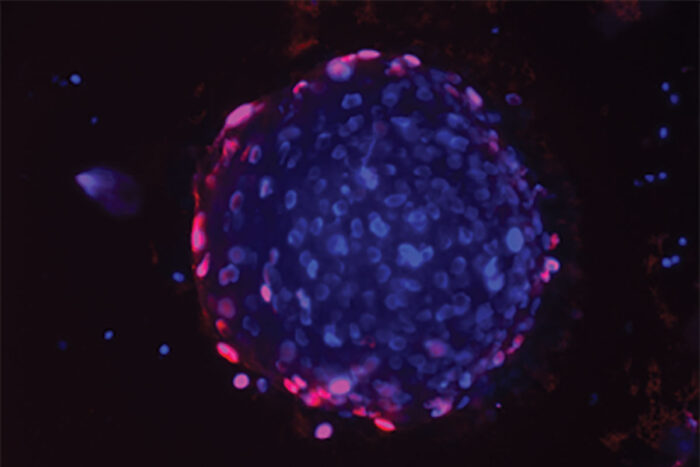
A drug compound stimulates immune cells to attack prostate tumors, according to new research from Washington University School of Medicine in St. Louis. Shown is a human prostate cancer organoid, a small 3D structure that serves as a model of prostate tumors. When the organoid is grown with prostate cancer patients’ immune cells, which have been treated with the drug, the immune cells attack the cancer. Red shows dead cells. Blue shows DNA.

A single drug compound simultaneously attacks hard-to-treat prostate cancer on several fronts, according to a new study in mice and human cells...

Read More

Gene Signature predicts whether Localized Prostate Cancer is likely to Spread

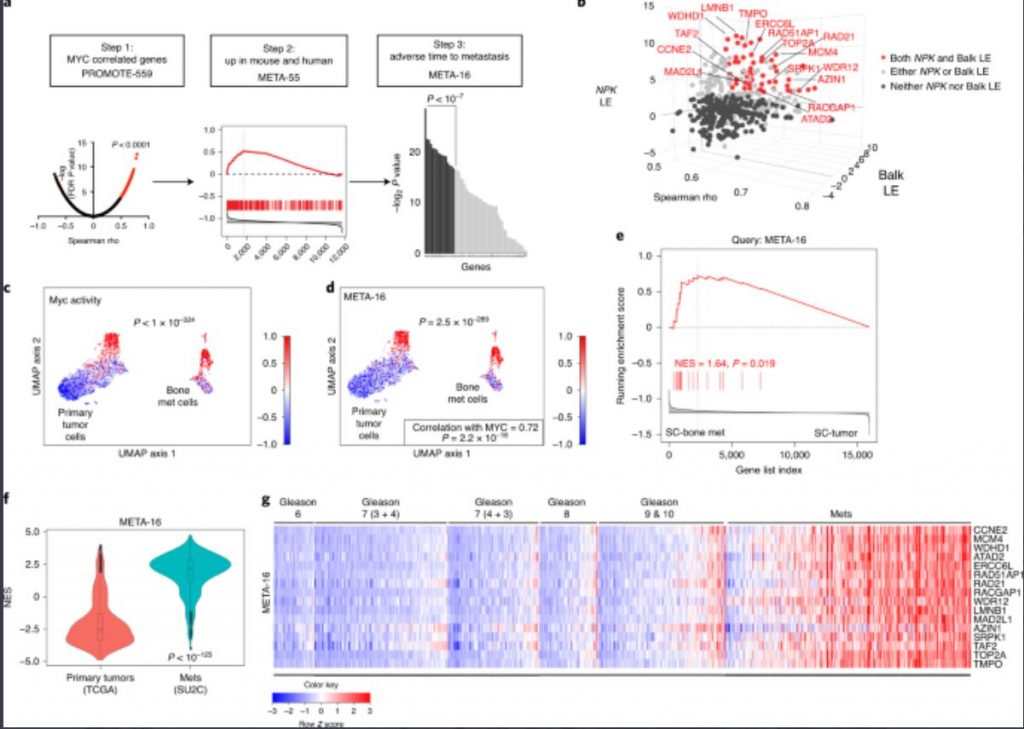
META-16 is correlated with MYC and RAS pathway activation and enriched in prostate cancer metastasis.

Researchers have identified a genetic signature in localized prostate cancer that can predict whether the cancer is likely to metastasize, early in the course of the disease and whether it will respond to anti-androgen therapy, a common treatment for advanced disease. The new gene signature may also be useful for evaluating responses to treatment and for developing new therapies to prevent or treat advanced prostate cancer.

“If we could know in advance which patients will develop metastases, we could start treatments earlier and treat the cancer more aggressively,” says the study’s senior author, Cory Abate-Shen, PhD, chair of the Department of Molecular Pharmacology and Therapeutic...

Read More