sleep tagged posts

Night owl or early bird? Study finds sleep categories aren’t that simple

Woman sleeping in bed
Image by Getty Images.

The familiar labels “night owl” and “early bird,” long used in sleep research, don’t fully capture the diversity of human internal clocks, a new study has found. The McGill University-led study published in Nature Communications found the two sleep-wake patterns, called chronotypes, contain a total of five distinct biological subtypes, each associated with different patterns of behavior and health.

A chronotype is based on the parts of a 24-hour period when a person naturally feels most alert or ready to sleep. Previous research has linked late chronotypes to worse health outcomes, but results have often been inconsistent. The new findings help explain why, the authors said.

“Rather than asking whether night owls are more at risk, the better question may be...

Read More

Sleep Resets Neurons for new Memories the Next Day, Study Finds

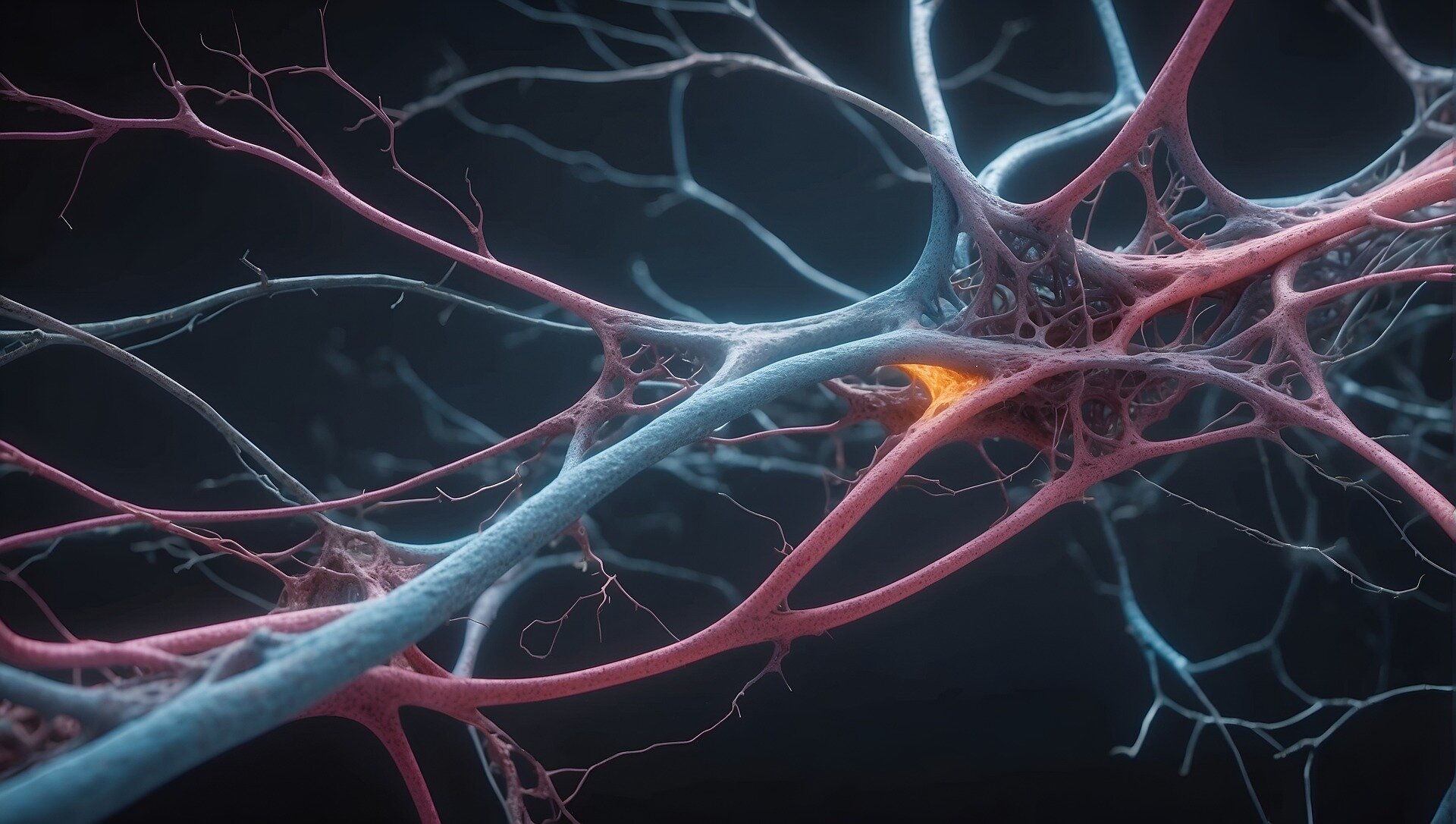
neuron
Credit: Pixabay/CC0 Public Domain

While everyone knows that a good night’s sleep restores energy, a new Cornell University study finds it resets another vital function: memory.

Learning or experiencing new things activates neurons in the hippocampus, a region of the brain vital for memory. Later, while we sleep, those same neurons repeat the same pattern of activity, which is how the brain consolidates those memories that are then stored in a large area called the cortex. But how is it that we can keep learning new things for a lifetime without using up all of our neurons?

A study, “A Hippocampal Circuit Mechanism to Balance Memory Reactivation During Sleep,” published in Science, finds at certain times during deep sleep, certain parts of the hippocampus go silent, allowing those...

Read More

Simulated Microgravity Affects Sleep and Physiological rhythms

Simulated effects of microgravity significantly affect rhythmicity and sleep in humans, a new study from the University of Surrey finds. Such disturbances could negatively affect the physiology and performance of astronauts in space.

Previous findings have shown that astronauts exposed to microgravity, simulated via 60 days of constant bed rest at a six-degree head-down tilt angle, experience changes to physiology, including immune suppression, increased inflammation, and reduced muscle mass and bone density. However, a less-studied aspect of physiology concerning the effects of microgravity is sleep and biological rhythms.

Lead author Dr María-Ángeles Bonmatí-Carrión, a post-doctoral researcher at the University of Surrey (currently at CIBERFES (Carlos III Health Institute), Un...

Read More

Research uncovers Differences between Men and Women in Sleep, Circadian Rhythms and Metabolism

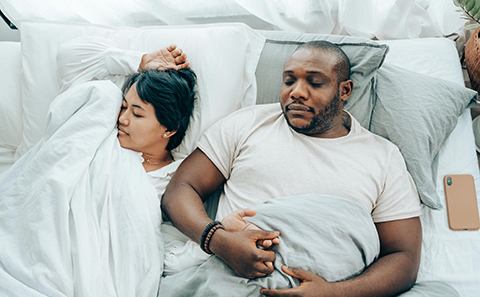
Man and woman asleep in bed

A new review of research evidence has explored the key differences in how women and men sleep, variations in their body clocks, and how this affects their metabolism.

Published in Sleep Medicine Reviews, the paper highlights the crucial role sex plays in understanding these factors and suggests a person’s biological sex should be considered when treating sleep, circadian rhythm and metabolic disorders.

Differences in sleep

The review found women rate their sleep quality lower than men’s and report more fluctuations in their quality of sleep, corresponding to changes throughout the menstrual cycle.

“Lower sleep quality is associated with anxiety and depressive disorders, which are twice as common in women as in men,” says Dr Sarah L...

Read More