



thymus tagged posts
The thymus hosts more ‘cellular teachers’ than we thought, study finds
October 31, 2025,
 Biology/Biotechnology, Health/Medical
New Clue into the Curious Case of our Aging Immune System
August 16, 2024,
Biology/Biotechnology, Health/Medical

A WEHI study could help solve a long-standing mystery into why a key immune organ in our bodies shrinks and loses its function as we get older.
The thymus is an organ essential for good health due to its ability to produce special immune cells that are responsible for fighting infections and cancer.
In a world-first, researchers have uncovered new cells that drive this ageing process in the thymus — significant findings that could unlock a way to restore function in the thymus and prevent our immunity from waning as we age.
At a glance
The thymus is an organ essential for our immune defence but it shrinks and weakens as we get older. The reason for this loss remains a long-standing mystery.
A new study has been able to visualise, for the first time, how two cell types d...
Read MoreBurst of Accumulated Zinc shows how the Mineral Boosts Immune Function, suggesting ways to Improve Health
April 2, 2022,
Biology/Biotechnology, Health/Medical
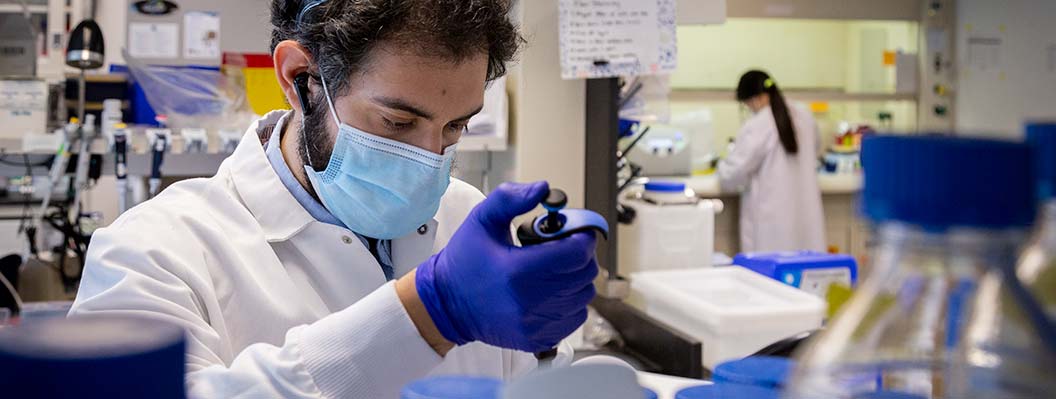
In mice, zinc helps thymus of the immune system regrow and immune-cell recovery after bone marrow transplant. Zinc’s immune-boosting properties are well-established, but scientists haven’t known exactly how it works. In a new study published online March 25 in the journal Blood, Fred Hutchinson Cancer Research Center scientists reveal two ways the mineral supports immunity and suggest how it could be used to improve health.
Using mice, the team discovered that zinc is needed for the development of disease-fighting immune T cells and prompts regeneration of the thymus, the immune organ that produces T cells.
“This study adds ...
Read MoreScientists build whole functioning Thymus from Human Cells
December 15, 2020,
Biology/Biotechnology, Health/Medical

Scientists at the Francis Crick Institute and University College London have Rebuilt a human Thymus, an essential organ in the Immune system, using human stem cells and a bioengineered scaffold. Their work is an important step towards being able to build artificial thymi which could be used as transplants.
The thymus is an organ in the chest where T lymphocytes, which play a vital role in the immune system, mature. If the thymus does not work properly or does not form during fetal development in the womb, this can lead to diseases such as severe immunodeficiency, where the body cannot fight infectious diseases or cancerous cells, or autoimmunity, where the immune system mistakenly attacks the patient’s own healthy tissue.
In their proof-of-concept study, published in Nature Comm...
Read More

Recent Comments