Category Astronomy/Space

Mars Express finds Evidence of Large Water Deposit at the Medusae Fossae Formation

This map shows the estimated amount of ice within the mounds that form the MFF, indicating that the ice-rich deposits are up to 3000 m thick. Credit: Planetary Science Institute/Smithsonian Institution

Windswept piles of dust, or layers of ice? ESA’s Mars Express has revisited one of Mars’s most mysterious features to clarify its composition. Its findings suggest layers of water ice stretching several kilometers below ground—the most water ever found in this part of the planet.

Over 15 years ago, Mars Express studied the Medusae Fossae Formation (MFF), revealing massive deposits up to 2.5 km deep. From these early observations, it was unclear what the deposits were made of—but new research now has an answer.

“We’ve explored the MFF again using newer data from Mars Express’s M...

Read More
Moon Rocks with Unique Dust found

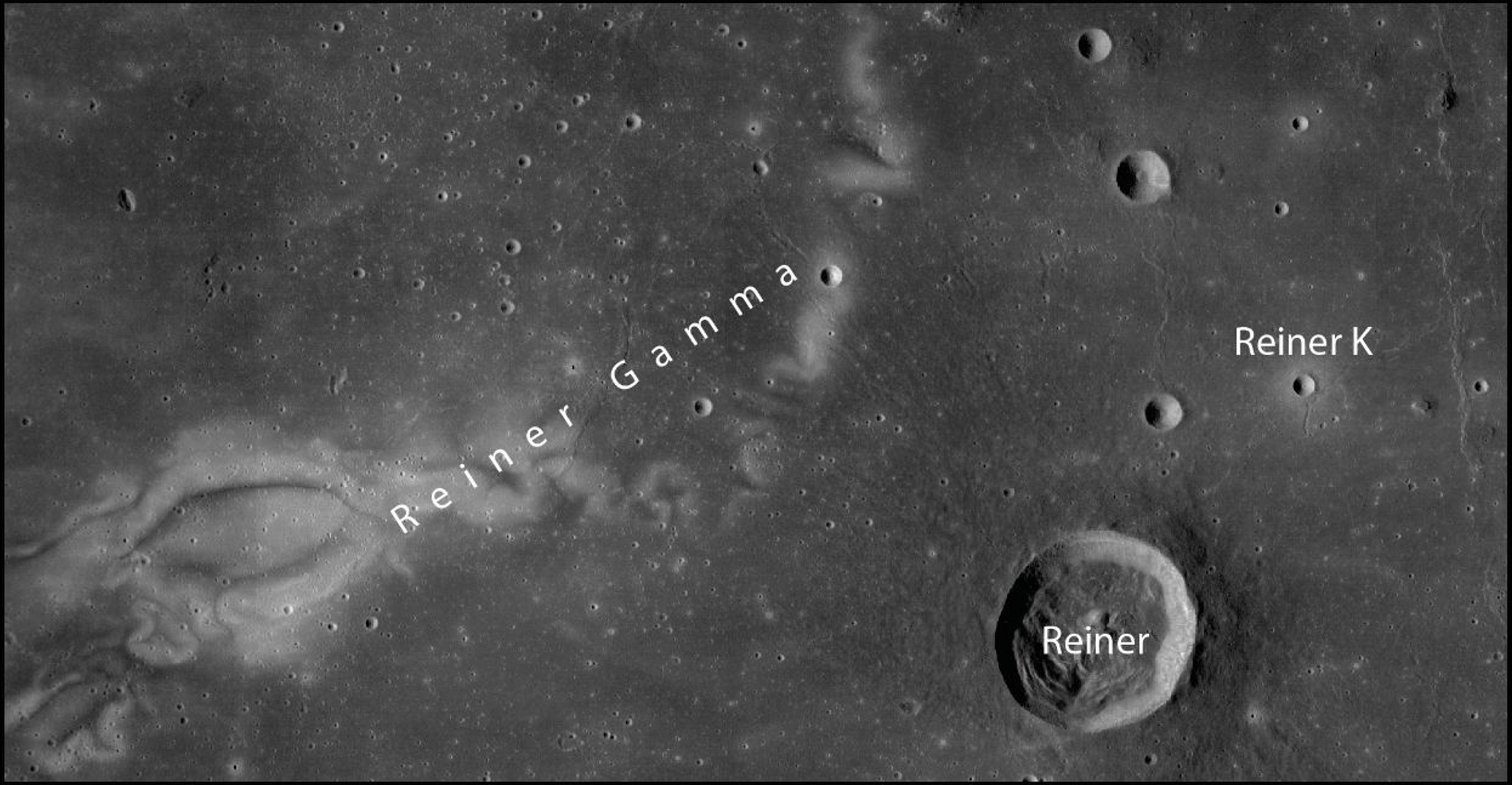
The meter-high rocks discovered in the work are located near the Reiner K crater in the “Reiner Gamma” region, which has a magnetic anomaly.

The moon is almost completely covered in dust. Unlike on Earth, this dust is not smoothed by wind and weather, but is sharp-edged and also electrostatically charged. This dust has been studied since the Apollo era at the end of the 1960s. Now, an international research team led by Dr. Ottaviano Rüsch from the University of Münster has for the first time discovered anomalous meter-sized rocks on the lunar surface that are covered in dust and presumably exhibit unique properties—such as magnetic anomalies.

The scientists’ most important finding is that only very few boulders on the moon have a layer of dust with very special reflective proper...

Read More

The Metalens meets the Stars – Large, All-glass Metalens Images Sun, Moon and Nebulae

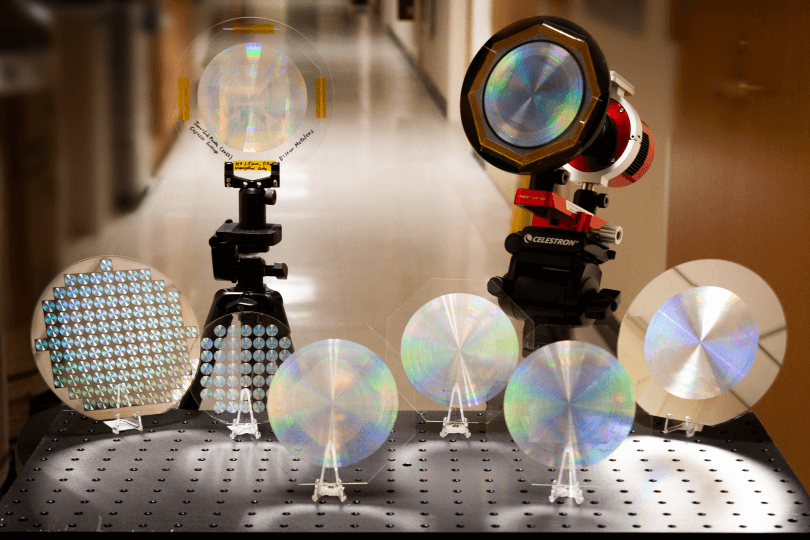
image of the metalens and camera
This 10-centimeter-diameter glass metalens can image the sun, the moon and distant nebulae with high resolution. (Credit: Capasso Lab/Harvard SEAS)
 

Metalenses have been used to image microscopic features of tissue and resolve details smaller than a wavelength of light. Now they are going bigger.

Researchers at the Harvard John A. Paulson School of Engineering and Applied Sciences (SEAS) have developed a 10-centimeter-diameter glass metalens that can image the sun, the moon and distant nebulae with high resolution.

It is the first all-glass, large-scale metalens in the visible wavelength that can be mass produced using conventional CMOS fabrication technology.

The research is published in ACS Nano.

“The ability to accurately control the size of tens of billions of nanopill...

Read More

Astronomers Detect Oldest Black Hole ever observed

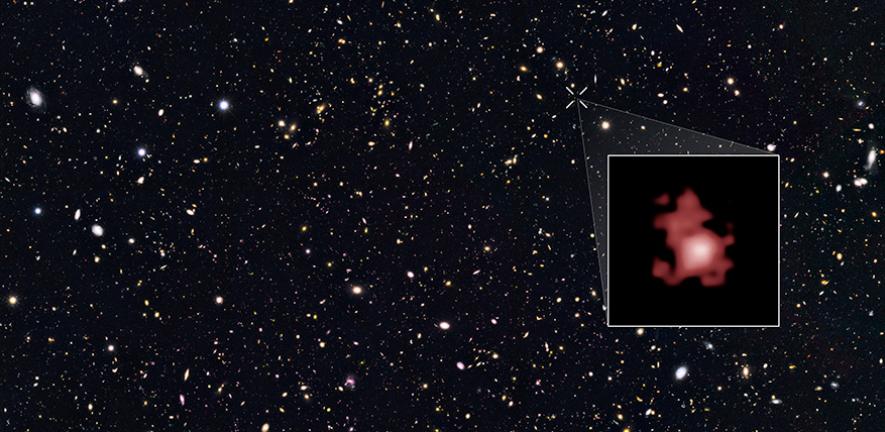
The GN-z11 galaxy, taken by the Hubble Space Telescope

Researchers have discovered the oldest black hole ever observed, dating from the dawn of the universe, and found that it is ‘eating’ its host galaxy to death.

The international team, led by the University of Cambridge, used the NASA/ESA/CSA James Webb Space Telescope (JWST) to detect the black hole, which dates from 400 million years after the big bang, more than 13 billion years ago. The results, which lead author Professor Roberto Maiolino says are “a giant leap forward,” are reported in the journal Nature.

That this surprisingly massive black hole — a few million times the mass of our Sun — even exists so early in the universe challenges our assumptions about how black holes form and grow...

Read More