
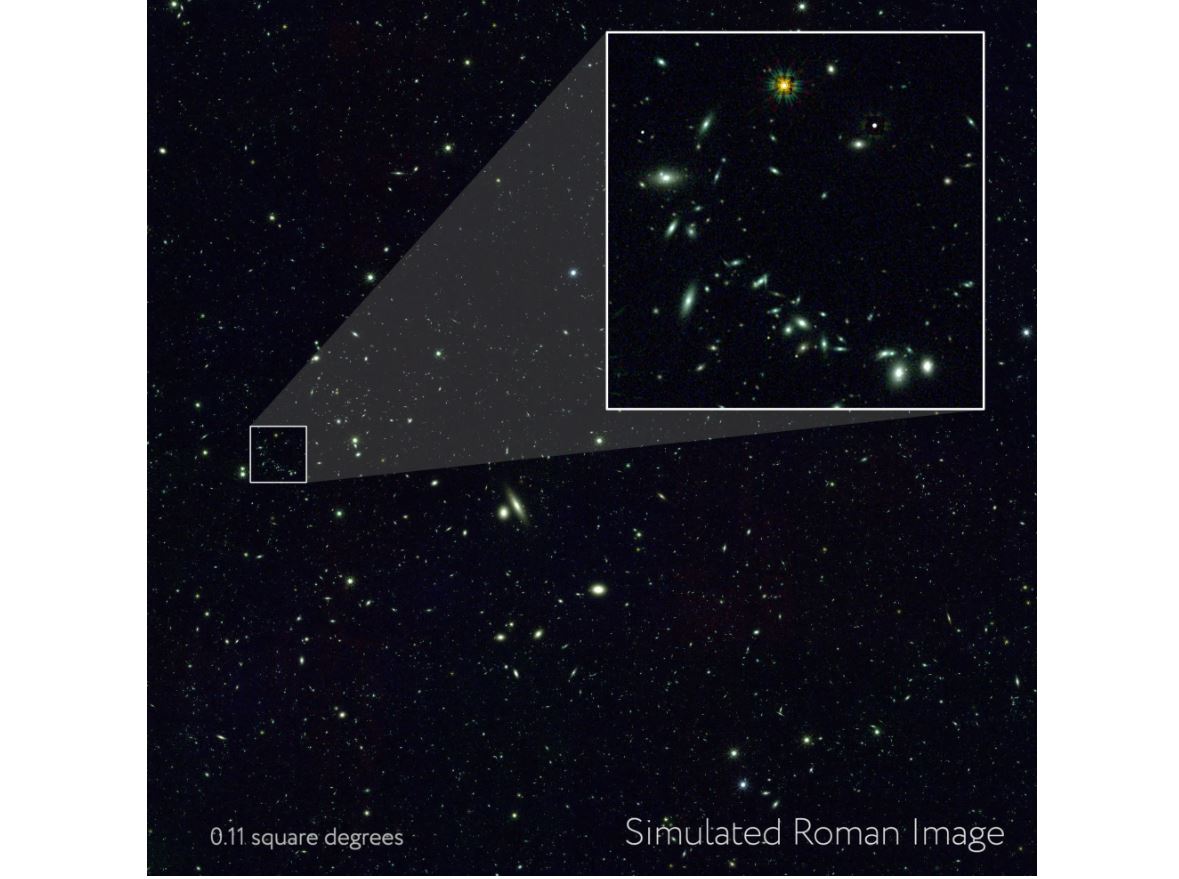
C. Hirata and K...


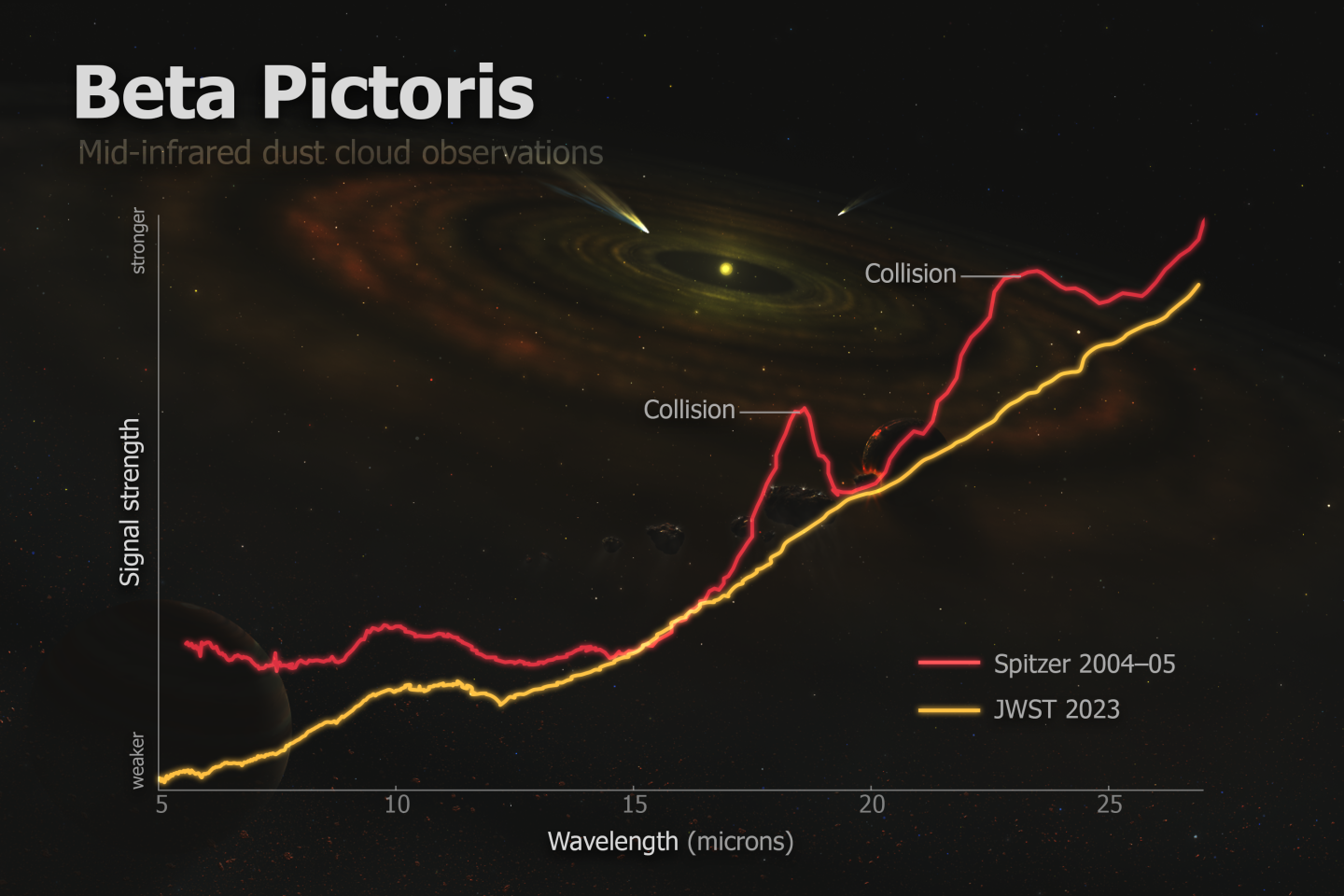
Astronomers have captured what appears to be a snapshot of a massive collision of giant asteroids in Beta Pictoris, a neighboring star system known for its early age and tumultuous planet-forming activity.
The observations spotlight the volatile processes that shape star systems like our own, offering a unique glim...
Read More
June 11, 2024,
 Astronomy/Space
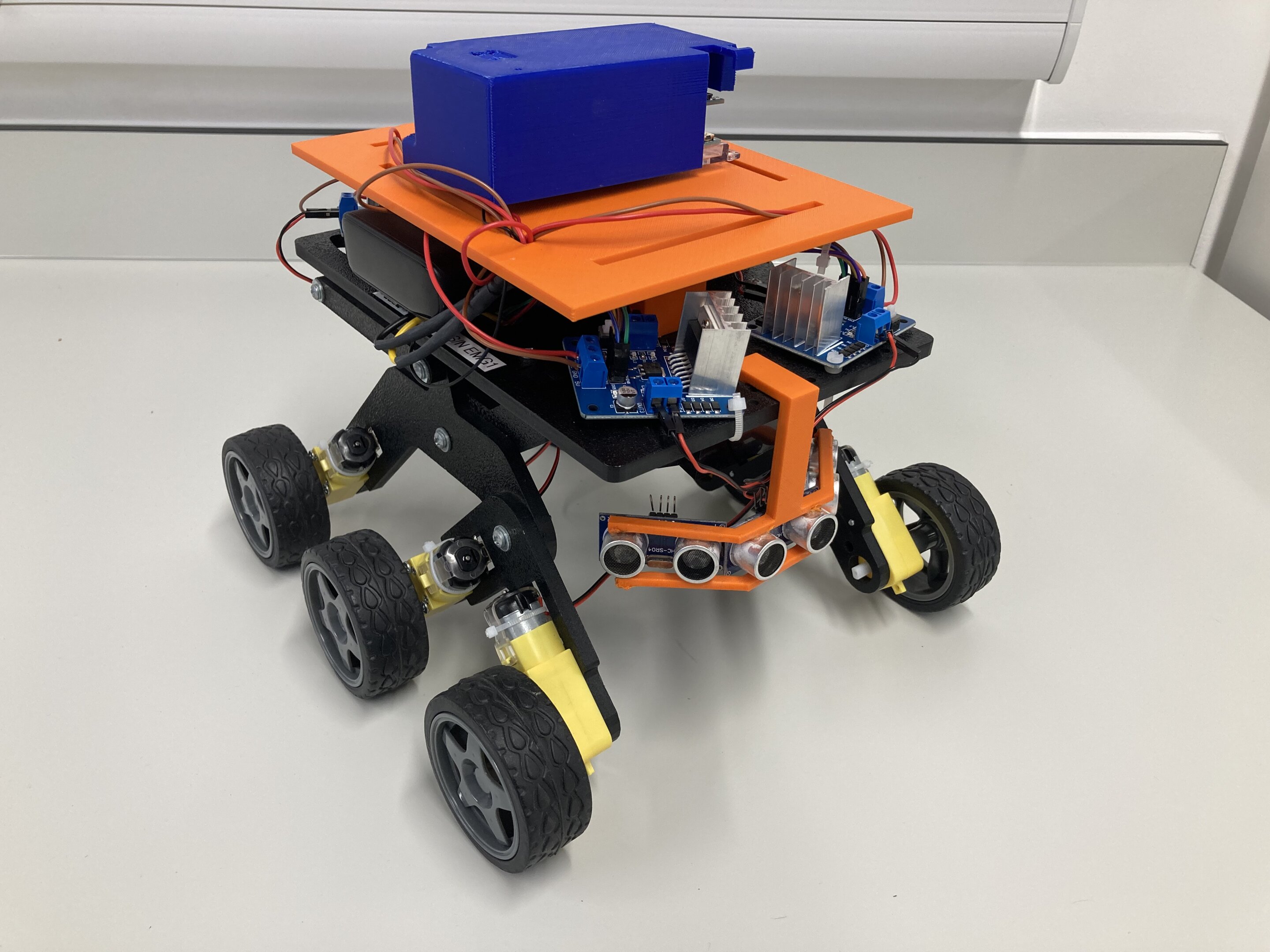
While roboticists have developed increasingly sophisticated systems over the past decades, ensuring that these systems can autonomously operate in real-world settings without mishaps often proves challenging. This is particularly difficult when these robots are designed to be deployed in complex environments, including space and other planets.
Researchers at the University of Glasgow recently developed a new methodology that could allow teams of multiple rovers to autonomously and reliably explore other planets...
Read More
June 10, 2024,
Astronomy/Space
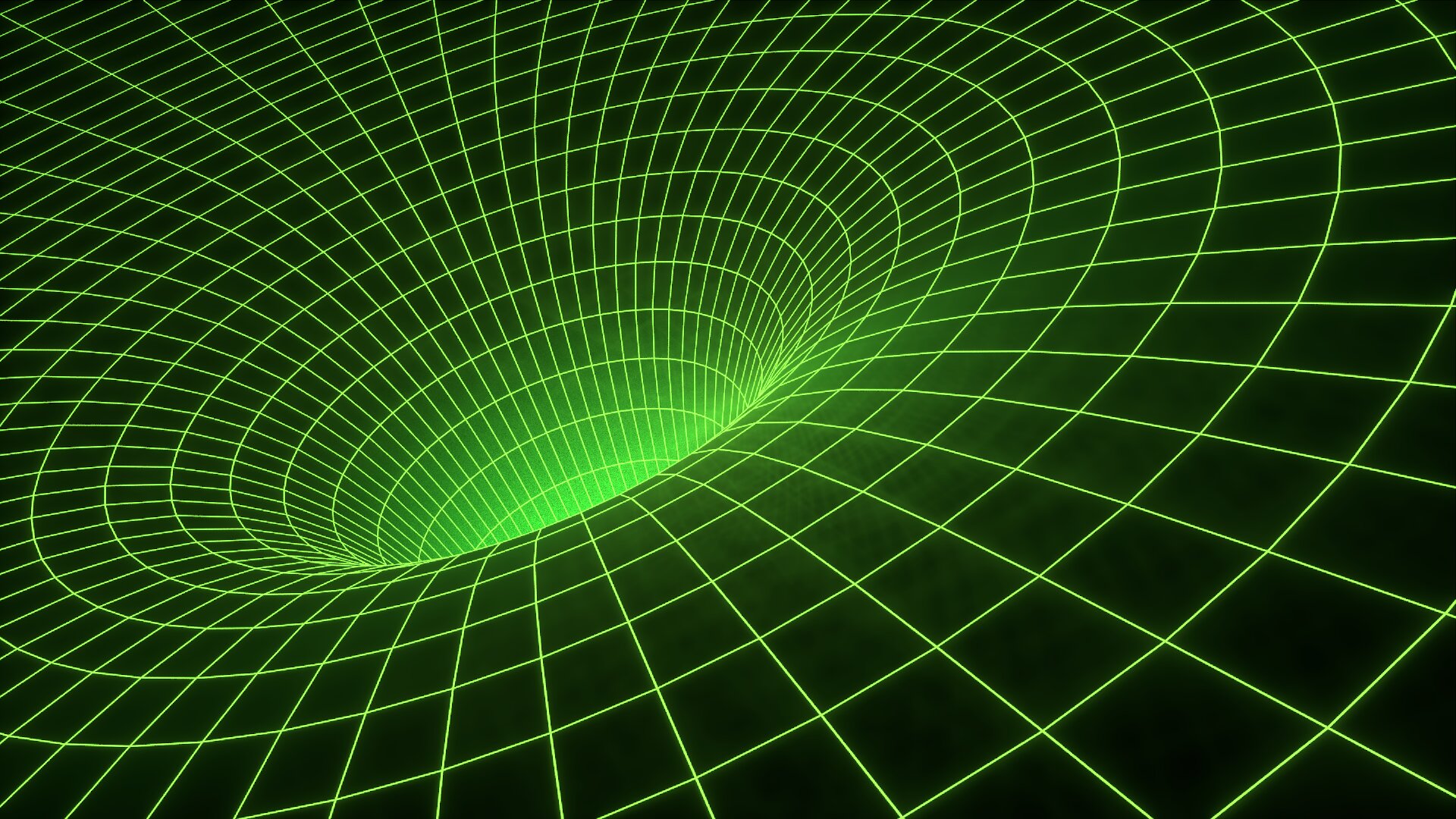
Dark matter is a hypothetical form of matter that is implied by gravitational effects that can’t be explained by general relativity unless more matter is present in the universe than can be seen. It remains virtually as mysterious as it was nearly a century ago when first suggested by Dutch astronomer Jan Oort in 1932 to explain the so-called “missing mass” necessary for things like galaxies to clump together.
Now Dr. Richard Lieu at The University of Alabama in Huntsville (UAH) has published a paper in the Monthly Notices of the Royal Astronomical Society that shows, for the first time, how gravity can exist without mass, providing an alternative theory that could potentially mitigate the need for dark matter.
“My own inspiration came from my pursuit fo...
Read More
Recent Comments