


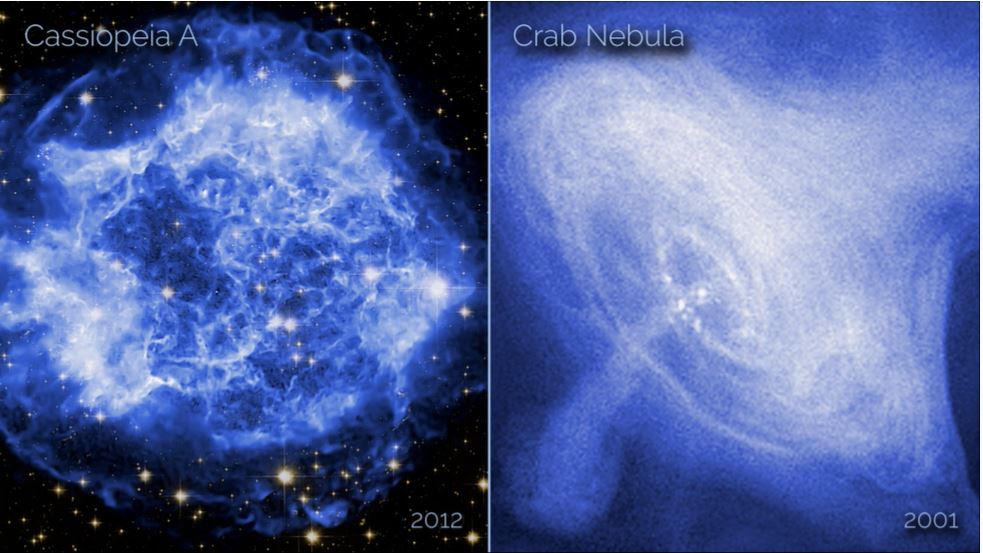
- Machine learning detects bacterial invasion and DNA damage in human cells
- Earth and Mars: Built from different cosmic recipes
- A molecular switch syncs fat burning to the body clock, our diet and the temperature around us
- Ions help electrons hop through porous material with potential for brain-inspired computing
Category Astronomy/Space
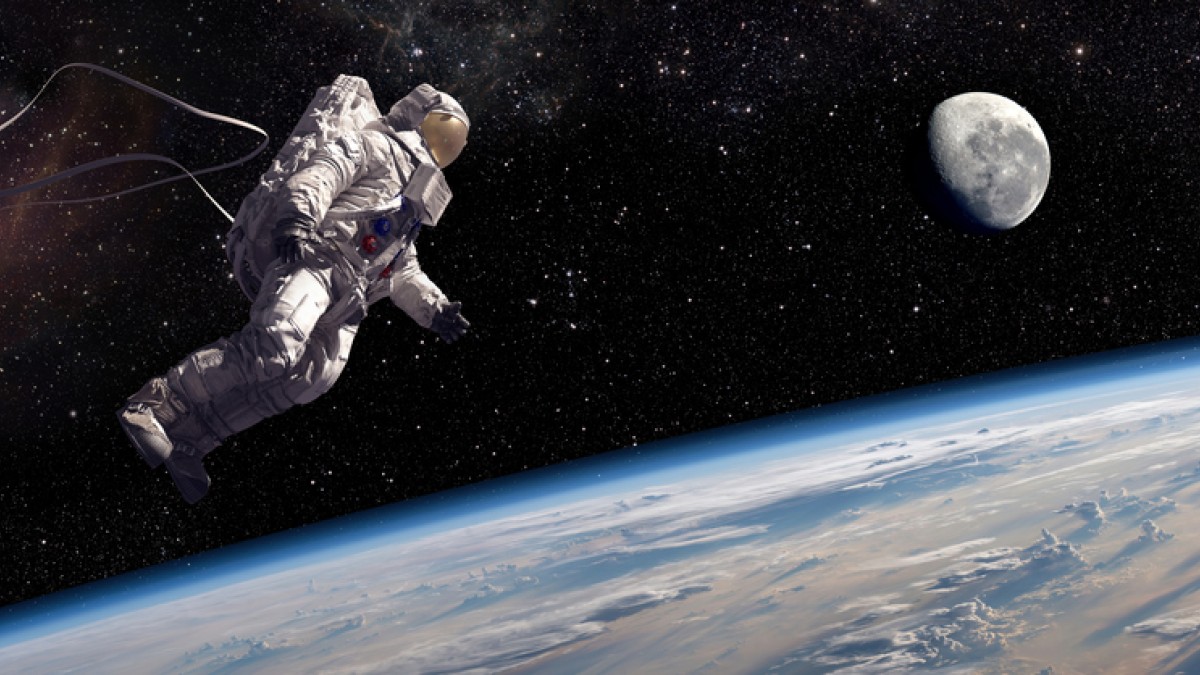
Simulated effects of microgravity significantly affect rhythmicity and sleep in humans, a new study from the University of Surrey finds. Such disturbances could negatively affect the physiology and performance of astronauts in space.
Previous findings have shown that astronauts exposed to microgravity, simulated via 60 days of constant bed rest at a six-degree head-down tilt angle, experience changes to physiology, including immune suppression, increased inflammation, and reduced muscle mass and bone density. However, a less-studied aspect of physiology concerning the effects of microgravity is sleep and biological rhythms.
Lead author Dr María-Ángeles Bonmatí-Carrión, a post-doctoral researcher at the University of Surrey (currently at CIBERFES (Carlos III Health Institute), Un...
Read MoreAI and Physics Combine to Reveal the 3D Structure of a Flare Erupting around a Black Hole
April 23, 2024,
 Astronomy/Space
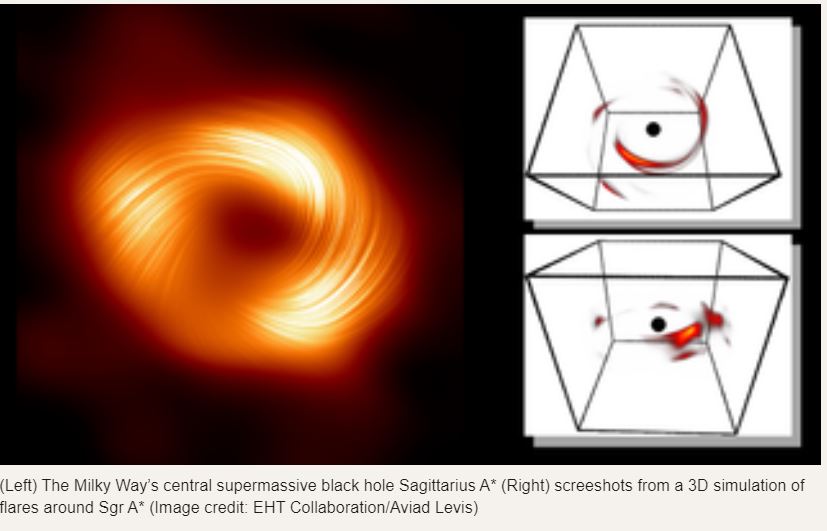
Scientists believe the environment immediately surrounding a black hole is tumultuous, featuring hot magnetized gas that spirals in a disk at tremendous speeds and temperatures. Astronomical observations show that within such a disk, mysterious flares occur up to several times a day, temporarily brightening and then fading away.
Now a team led by Caltech scientists has used telescope data and an artificial intelligence (AI) computer-vision technique to recover the first three-dimensional video showing what such flares could look like around SagittariusA* (Sgr A*) the supermassive black hole at the heart of our own Milky Way galaxy.
The 3D flare structure features two bright, compact features located about 75 million kilometers (or half the distance between Earth and the sun) fro...
Read More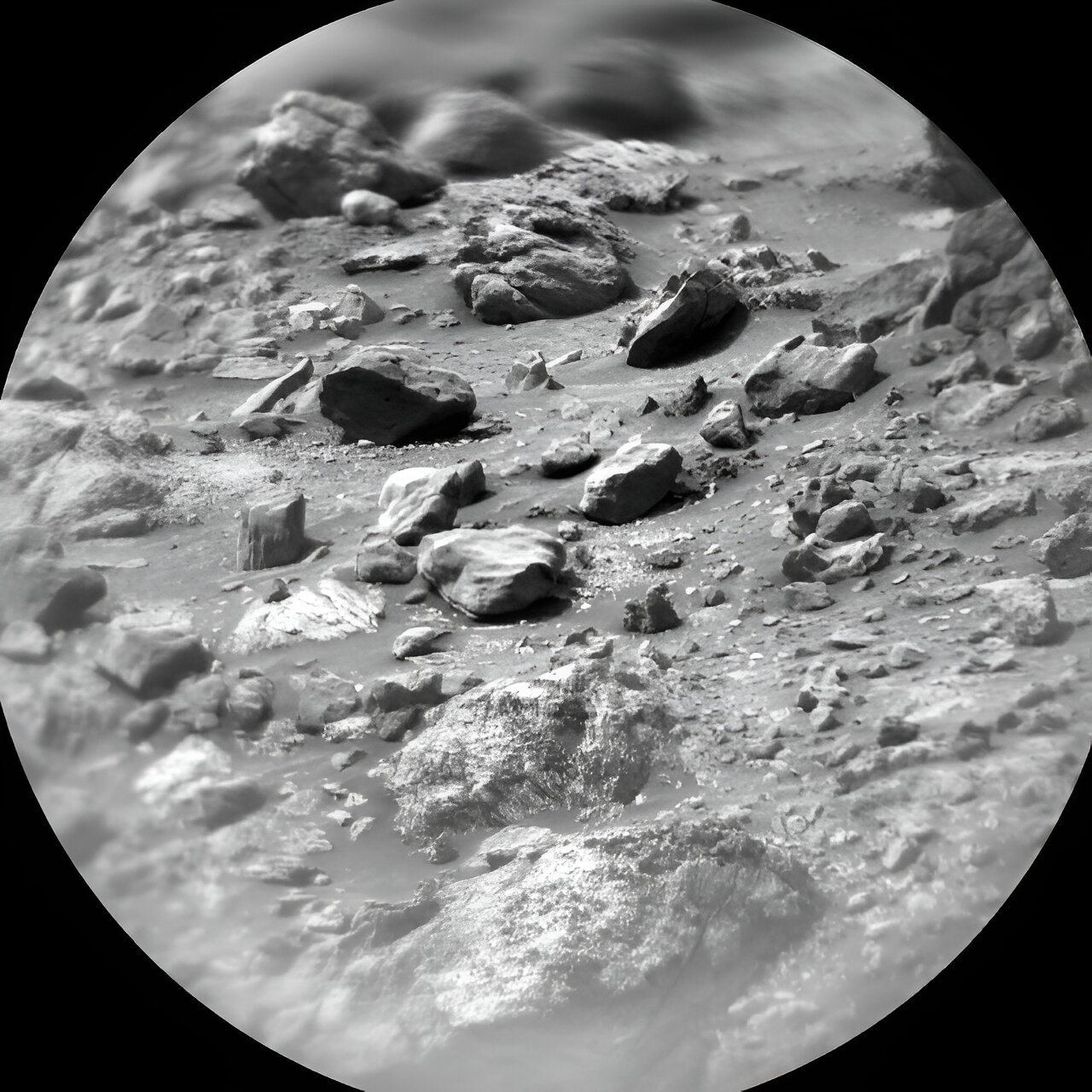
Curiosity continues to make progress along the margin of upper Gediz Vallis ridge, investigating the broken bedrock in our workspace and acquiring images of the ridge deposit as the rover drives south.
Today’s 2-sol plan focused on a DRT, contact science, and drive on the first sol, followed by untargeted remote sensing on the second sol. The team had to make some decisions at the start of planning about whether to drive on the first or second sol of this plan, and how that would affect the upcoming weekend activities.
As it turned out, the team was able to fit all of the desired contact science and remote sensing activities...
Read More
Recent Comments