Category Astronomy/Space

Could Acid-Neutralizing Life-forms make Habitable Pockets in Venus’ Clouds?

Artist’s conception of the aerial biosphere in the cloud layers of Venus’ atmosphere. In this picture, hypothetical microbial life in the clouds of Venus resides inside protective cloud particles and is carried by winds around the planet.
Credits:Figure credit: J. Petkowska

It’s hard to imagine a more inhospitable world than our closest planetary neighbor. With an atmosphere thick with carbon dioxide, and a surface hot enough to melt lead, Venus is a scorched and suffocating wasteland where life as we know it could not survive. The planet’s clouds are similarly hostile, blanketing the planet in droplets of sulfuric acid caustic enough to burn a hole through human skin.

And yet, a new study supports the longstanding idea that if life exists, it might make a home in Venus’ clouds...

Read More

Comets’ Heads can be Green, but Never their Tails: After 90 years, we finally know Why

This astronomic puzzle dates back to the 1930s. Photo: Unsplash.

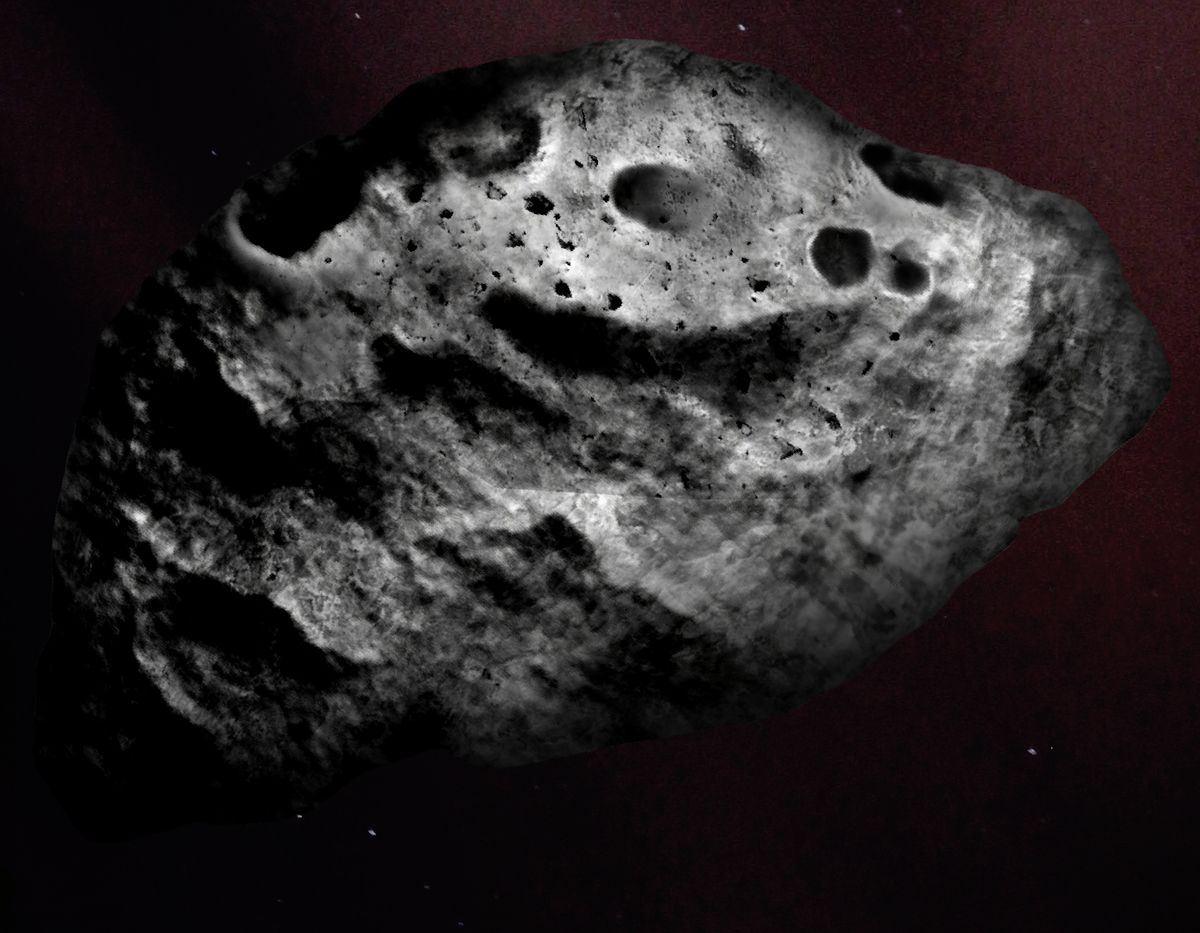
Every so often, the Kuiper Belt and Oort Cloud throw galactic snowballs made up of ice, dust and rocks our way: 4.6-billion-year-old leftovers from the formation of the solar system.

These snowballs—or as we know them, comets—go through a colorful metamorphosis as they cross the sky, with many comets’ heads turning a radiant green color that gets brighter as they approach the Sun.

But strangely, this green shade disappears before it reaches the one or two tails trailing behind the comet.

Astronomers, scientists and chemists have been puzzled by this mystery for almost a century...

Read More

Mystery behind Formation of Surface Ice-shapes on Pluto unraveled

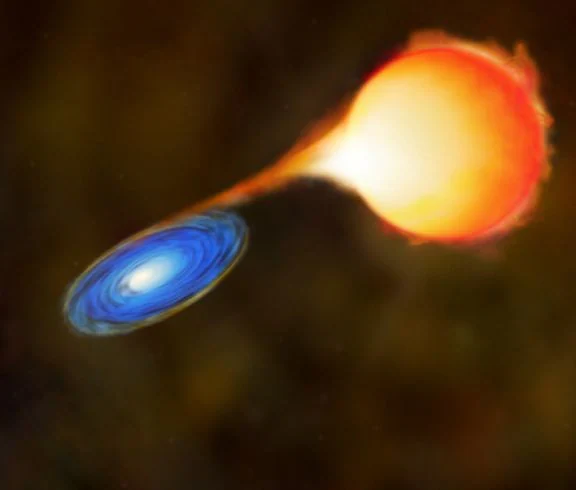
A stellar embrace (artist’s impression). Sharing the same atmosphere (orange oval) a pair of stars start to interact with one another in dramatic fashion. ​​​​ â€‹Danielle Futselaar, artsource.nl

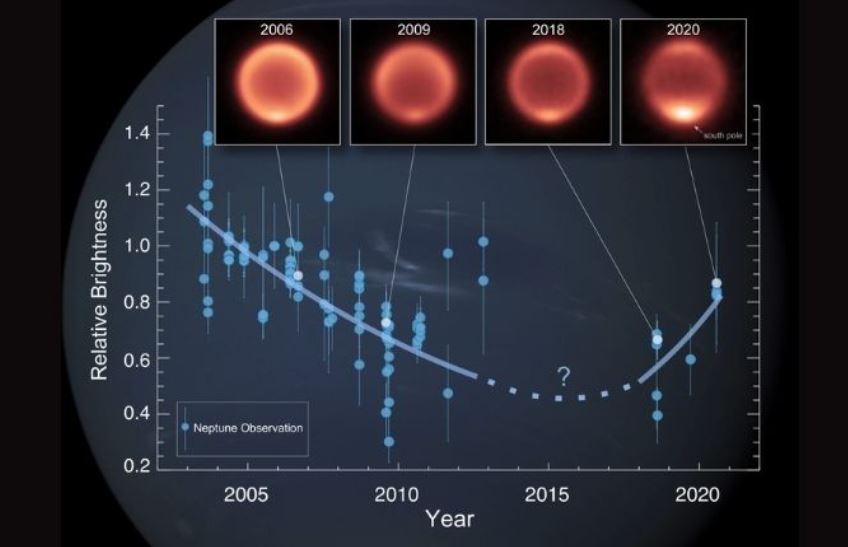
Scientists have unravelled a fascinating new insight into how the landscape of the dwarf-planet Pluto has formed. A team of international researchers, including Dr Adrien Morison from the University of Exeter, has shown how vast ice forms have been shaped in one of the planet’s largest craters, Sputnik Planita.

Perhaps the most striking feature on Pluto’s surface, Sputnik Planitia is an impact crater, consisting of a bright plain, slightly larger than France, and filled with nitrogen ice.

For the new study, researchers have used sophisticated modelling techniques to show that t...

Read More

Deep Mantle Krypton reveals Earth’s Outer Solar System Ancestry

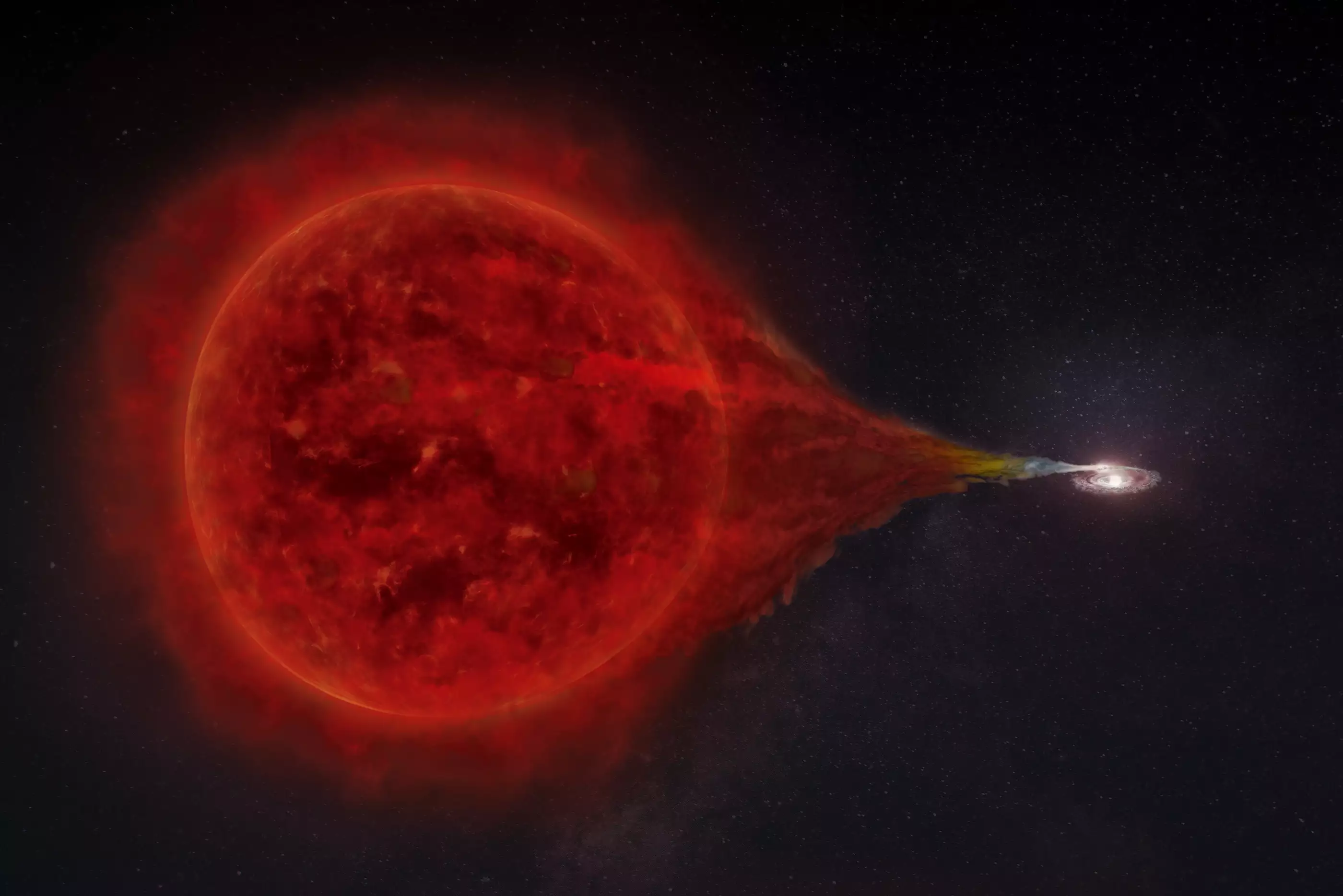
Artist’s impression of planets forming around a young star. New, very precise measurements of krypton isotopes from deep in the Earth show that water, carbon and other volatile materials were incorporated into the Earth earlier than previously thought. (European Southern Observatory)

Krypton from the Earth’s mantle, collected from geologic hot spots in Iceland and the Galapagos Islands, reveals a clearer picture of how our planet formed, according to new research from the University of California, Davis.

The different isotopes of krypton are chemical fingerprints for scientists sleuthing out the ingredients that made the Earth, such as solar wind particles and meteorites from the inner and outer solar system...

Read More