Category Astronomy/Space

Astronomers discover strangely Massive Black Hole in Milky Way Satellite Galaxy

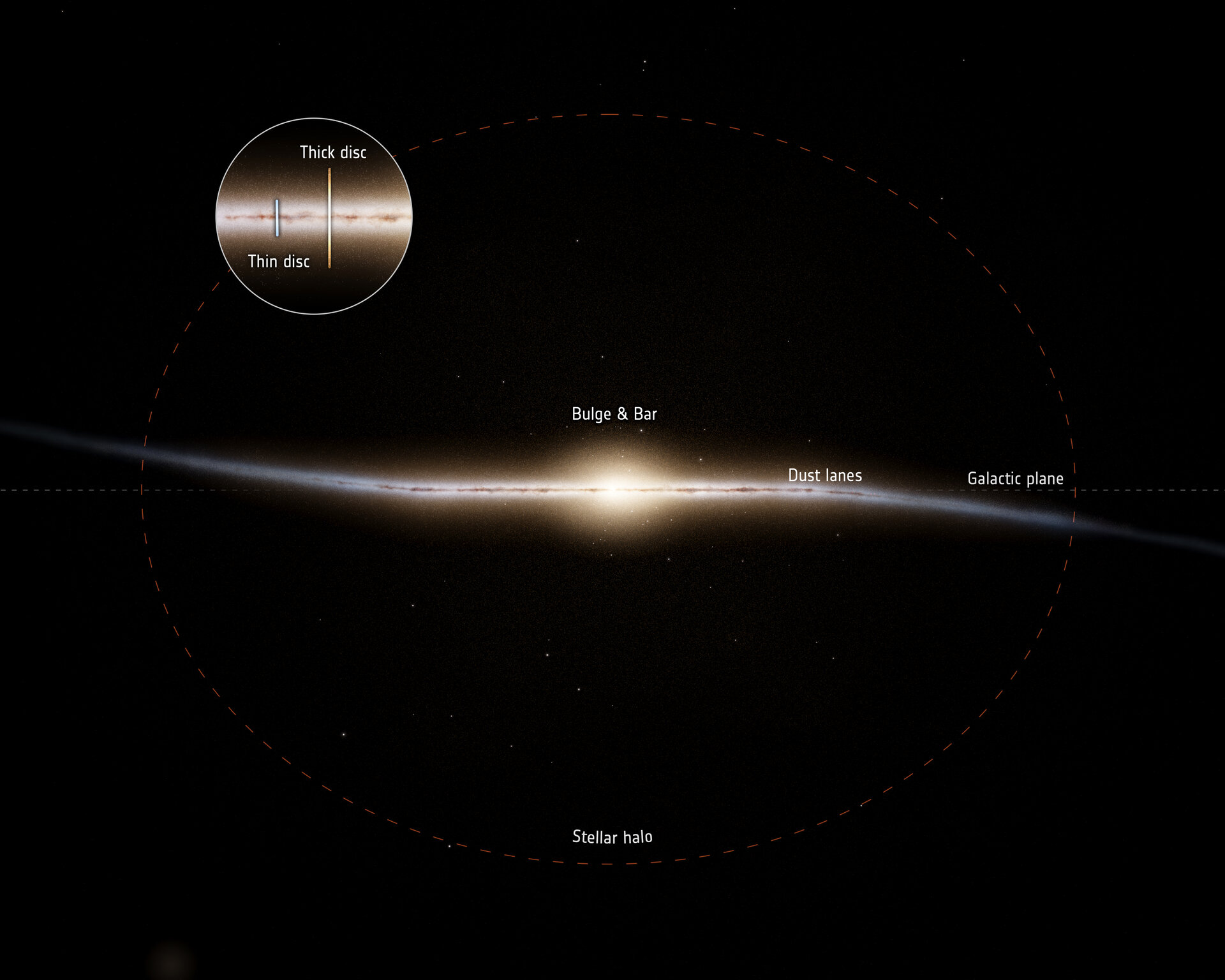
Astronomers at The University of Texas at Austin’s McDonald Observatory have discovered an unusually massive black hole at the heart of one of the Milky Way’s dwarf satellite galaxies, called Leo I. Almost as massive as the black hole in our own galaxy, the finding could redefine our understanding of how all galaxies — the building blocks of the universe — evolve. The work is published in a recent issue of The Astrophysical Journal.

The team decided to study Leo I because of its peculiarity. Unlike most dwarf galaxies orbiting the Milky Way, Leo I does not contain much dark matter. Researchers measured Leo I’s dark matter profile — that is, how the density of dark matter changes from the outer edges of the galaxy all the way into its center...

Read More

Closest Pair of Supermassive Black Holes yet

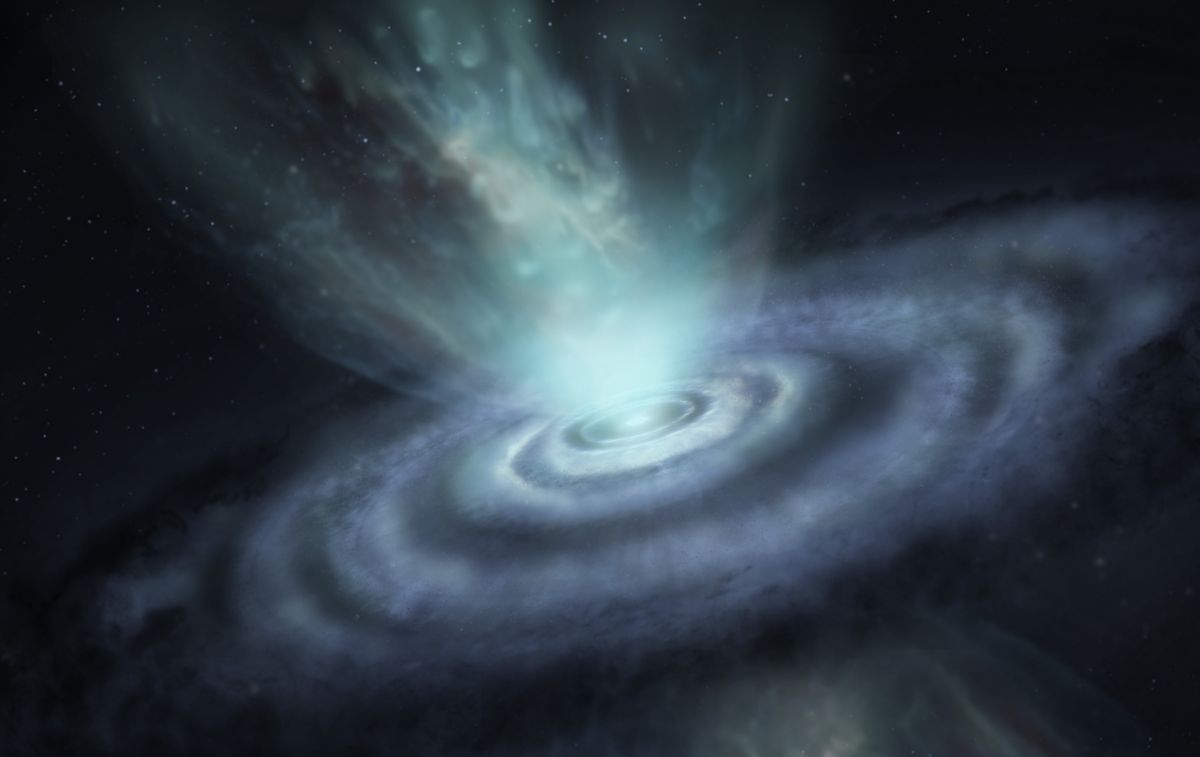
Using the European Southern Observatory’s Very Large Telescope (ESO’s VLT), astronomers have revealed the closest pair of supermassive black holes to Earth ever observed. The two objects also have a much smaller separation than any other previously spotted pair of supermassive black holes and will eventually merge into one giant black hole..

Using the European Southern Observatory’s Very Large Telescope (ESO’s VLT), astronomers have revealed the closest pair of supermassive black holes to Earth ever observed. The two objects also have a much smaller separation than any other previously spotted pair of supermassive black holes and will eventually merge into one giant black hole.

Voggel and her team were able to determine the masses of the two objects by looking at how the gravita...

Read More

Study suggests Sun is likely an Unaccounted Source of the Earth’s Water

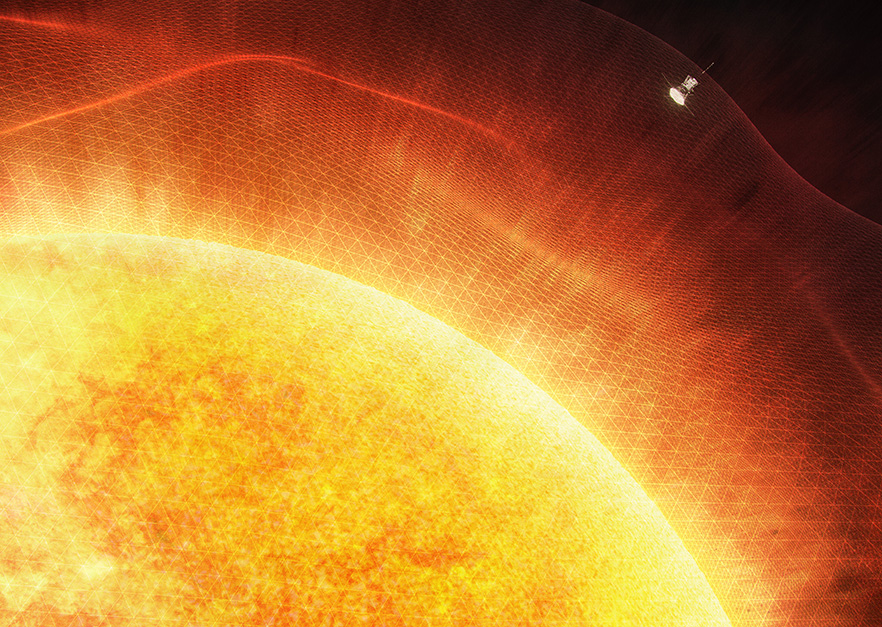
Graphic of the sun, solar winds and itokawa. Credit: Curtin University

Curtin University researchers have helped unravel the enduring mystery of the origins of the Earth’s water, finding the Sun to be a surprising likely source.

A University of Glasgow-led international team of researchers including those from Curtin’s Space Science and Technology Center (SSTC) found the solar wind, comprised of charged particles from the Sun largely made of hydrogen ions, created water on the surface of dust grains carried on asteroids that smashed into the Earth during the early days of the Solar System.

SSTC Director, John Curtin Distinguished Professor Phil Bland said the Earth was very water-rich compared to other rocky planets in the Solar System, with oceans covering more than 70 percent o...

Read More

New study shows the Largest Comet ever observed was Active at Near-Record Distance

The comet Bernardinelli-Bernstein (BB), represented in this artist rendition as it might look in the outer Solar System, is estimated to be about 1000 times more massive than a typical comet. The largest comet discovered in modern times, it is among the most distant comets to be discovered with a coma, which means ice within the comet is vaporizing and forming an envelope of dust and vapor around the comet’s core. Credit: NOIRLab / NSF / AURA / J. da Silva / Spaceengine

A new study by University of Maryland astronomers shows that comet Bernardinelli-Bernstein (BB), the largest comet ever discovered, was active long before previously thought, meaning the ice within it is vaporizing and forming an envelope of dust and vapor known as a coma...

Read More