Category Astronomy/Space

Astronomers explain Origin of elusive Ultradiffuse Galaxies: How very faint Dwarf Galaxies are Born

On the left, one of the ultra-diffuse galaxies that was analyzed in the simulation. On the right, the image of the DF2 galaxy, which is almost transparent. (ESA/Hubble)

As their name suggests, ultradiffuse galaxies, or UDGs, are dwarf galaxies whose stars are spread out over a vast region, resulting in extremely low surface brightness, making them very difficult to detect. Several questions about UDGs remain unanswered: How did these dwarfs end up so extended? Are their dark matter halos – the halos of invisible matter surrounding the galaxies – special?

Now an international team of astronomers, co-led by Laura Sales, an astronomer at the University of California, Riverside, reports in Nature Astronomythat it has used sophisticated simulations to detect a few “quenched” UDGs in low-...

Read More

Stellar Collision Trggers Supernova Explosion

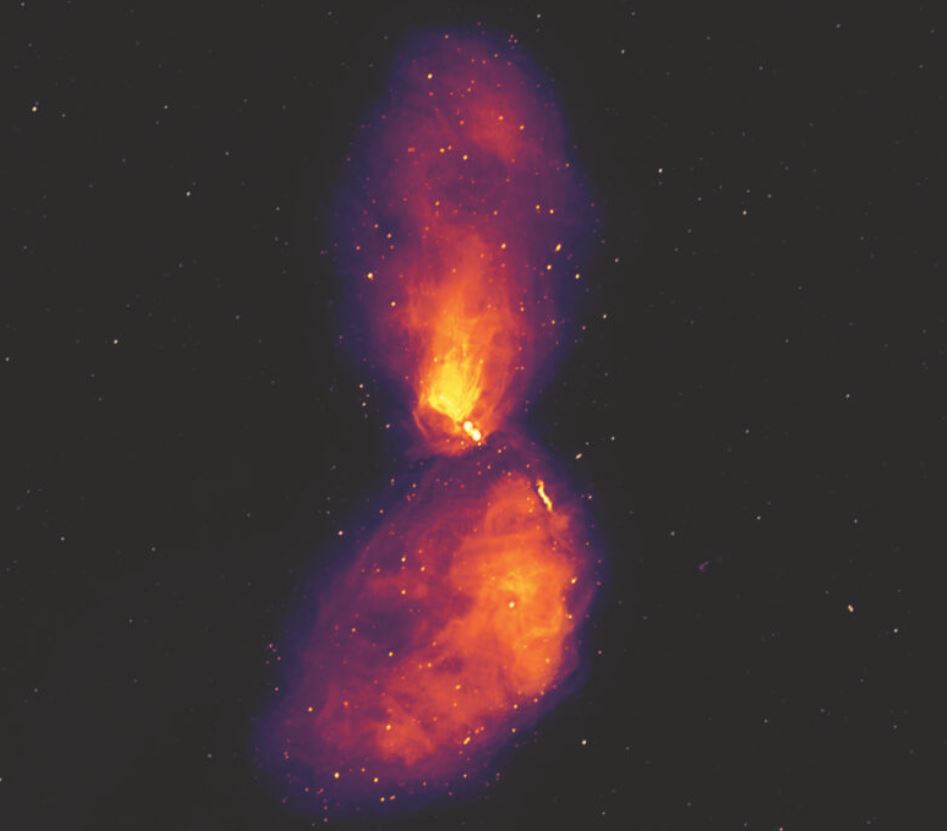
Credit: Bill Saxton, NRAO/AUI/NSF

Astronomers have found dramatic evidence that a black hole or neutron star spiraled its way into the core of a companion star and caused that companion to explode as a supernova. The astronomers were tipped off by data from the Very Large Array Sky Survey (VLASS), a multi-year project using the National Science Foundation’s Karl G. Jansky Very Large Array (VLA).

“Theorists had predicted that this could happen, but this is the first time we’ve actually seen such an event,” said Dillon Dong, a graduate student at Caltech and lead author on a paper reporting the discovery in the journal Science.

The first clue came when the scientists examined images from VLASS, which began observations in 2017, and found an object brightly emitting radio waves but ...

Read More

The case of the Missing Mantle: How impact debris may have disappeared from the solar system

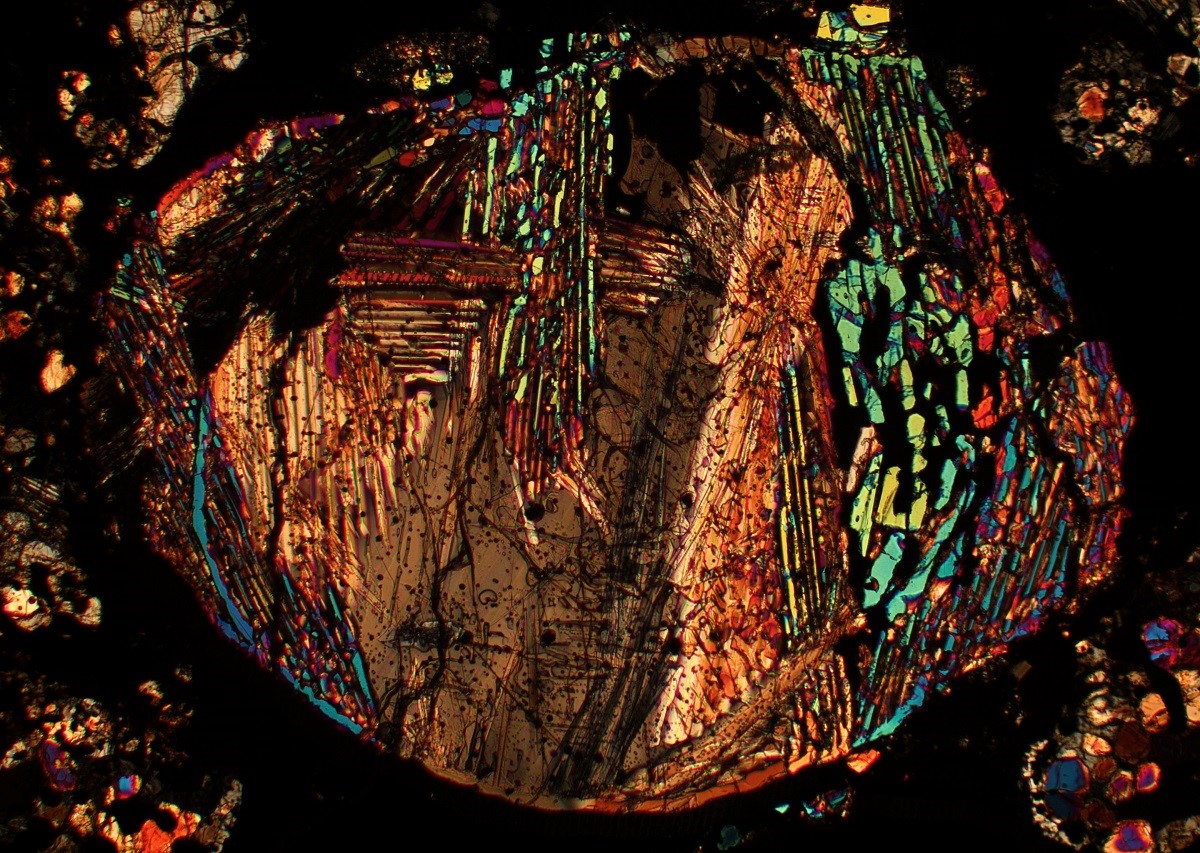
Debris from planet-forming collisions can range from solid materials to gases. The work from Gabriel & Allen-Sutter (2021) suggests large collisions form predominantly gas, leaving behind little trace in the current solar system. Illustration credit: NASA/JPL-Caltech

In the early solar system, terrestrial planets like Mercury, Venus, Earth and Mars are thought to have formed from planetesimals, small early planets. These early planets grew over time, through collisions and mergers, to make them the size they are today.

The material released from these violent collisions is commonly thought to have escaped and orbited around the sun, bombarding the growing planets and altering the composition of the asteroid belt...

Read More

Geologists propose Theory about a Famous Asteroid

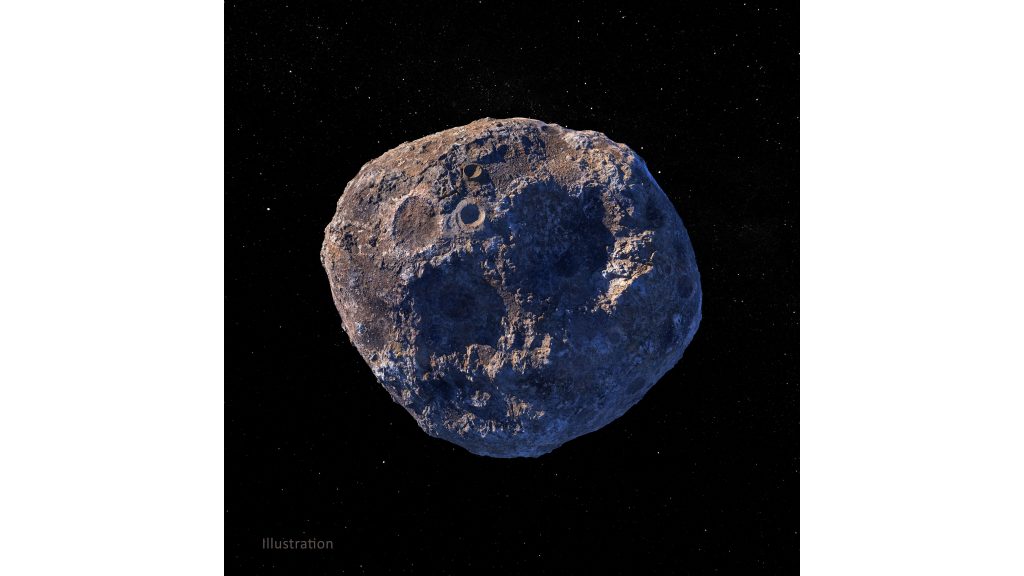
Asteroid Vesta orbiting in the outer space as it passes through Mars. (Getty Images 3d render)

The troughs on Vesta have long been a topic of scientific speculation. The asteroid Vesta is the second largest asteroid in our solar system. With a diameter of about 330 miles, it orbits the sun between the planets Mars and Jupiter.

Asteroids have long played a part in building popular fascination with space. “Marooned off Vesta” was the first story published by American writer Isaac Asimov, the third story he wrote, appearing in the March 1939 issue of the science fiction magazine Amazing Stories.

“When we think of asteroid belts, we probably picture Han Solo maneuvering the millennium falcon through a dense set of irregularly shaped gray rocks in space,” Christian Klimczak, associate...

Read More