
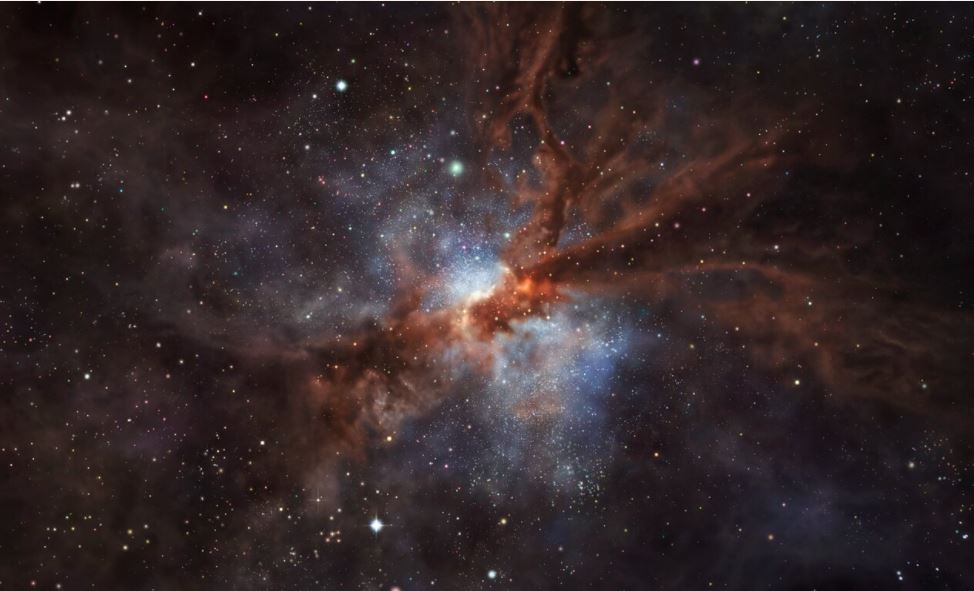
A new discovery is shedding light on how fluorine – an element found in our bones and teeth as fluoride – is forged in the Universe...
Read More

November 8, 2021,
 Astronomy/Space
A new discovery is shedding light on how fluorine – an element found in our bones and teeth as fluoride – is forged in the Universe...
Read More
November 5, 2021,
Astronomy/Space
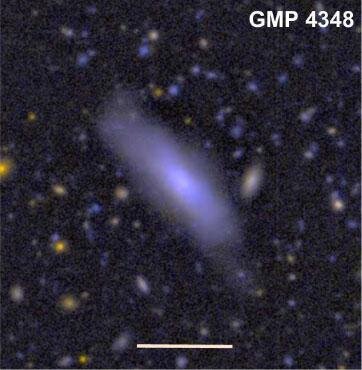
Ultra-diffuse galaxies (UDGs) have very low luminosities, comparatively few stars, and little star-formation activity as compared with normal galaxies of similar sizes...
Read More
November 5, 2021,
Astronomy/Space
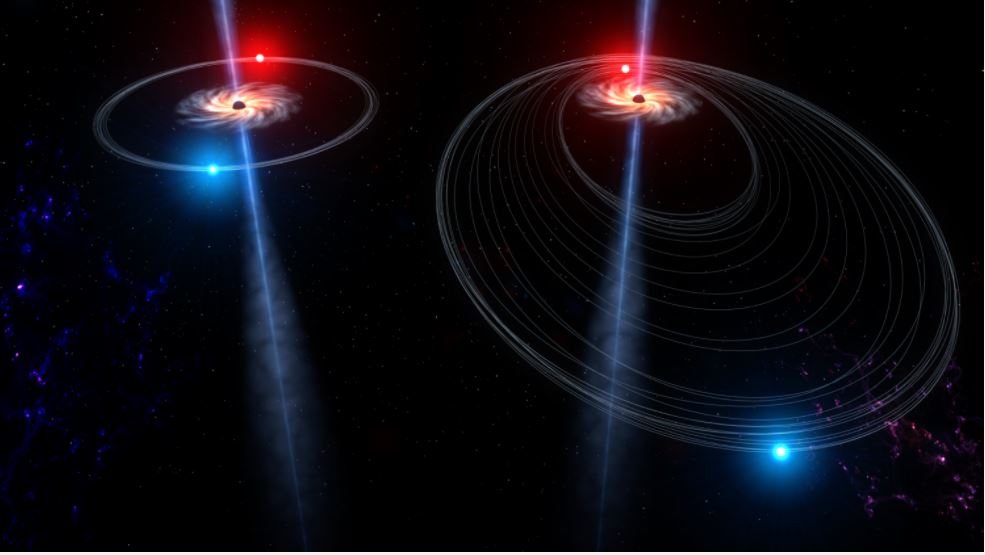
When two galaxies collide, the supermassive black holes at their cores release a devastating gravitational “kick,” similar to the recoil from a shotgun. New research led by CU Boulder suggests that this kick may be so powerful it can knock millions of stars into wonky orbits.
The research, published Oct. 29 in The Astrophysical Journal Letters, helps solve a decades-old mystery surrounding a strangely-shaped cluster of stars at the heart of the Andromeda Galaxy. It might also help researchers better understand the process of how galaxies grow by feeding on each other.
“When scientists first looked at Andromeda,...
Read More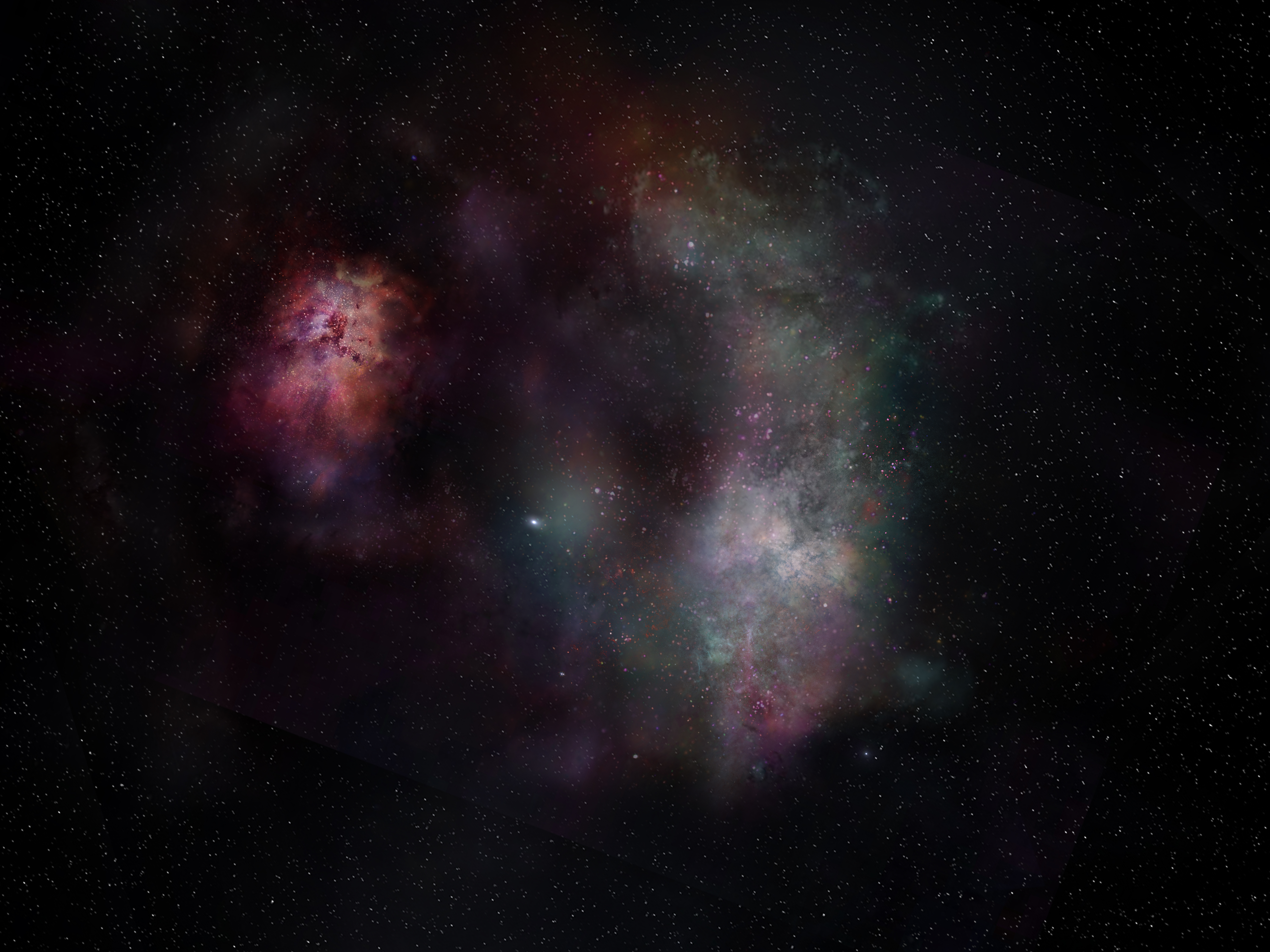
New study marks most distant detection of required element for life as we know it in a regular star-forming galaxy. Water has been detected in the most massive galaxy in the early Universe, according to new observations from the Atacama Large Millimeter/submillimeter Array (ALMA). Scientists studying SPT0311-58 found H20, along with carbon monoxide in the galaxy, which is located nearly 12.88 billion light years from Earth. Detection of these two molecules in abundance suggests that the molecular Universe was going strong shortly after the elements were forged in early stars...
Read More
Recent Comments