
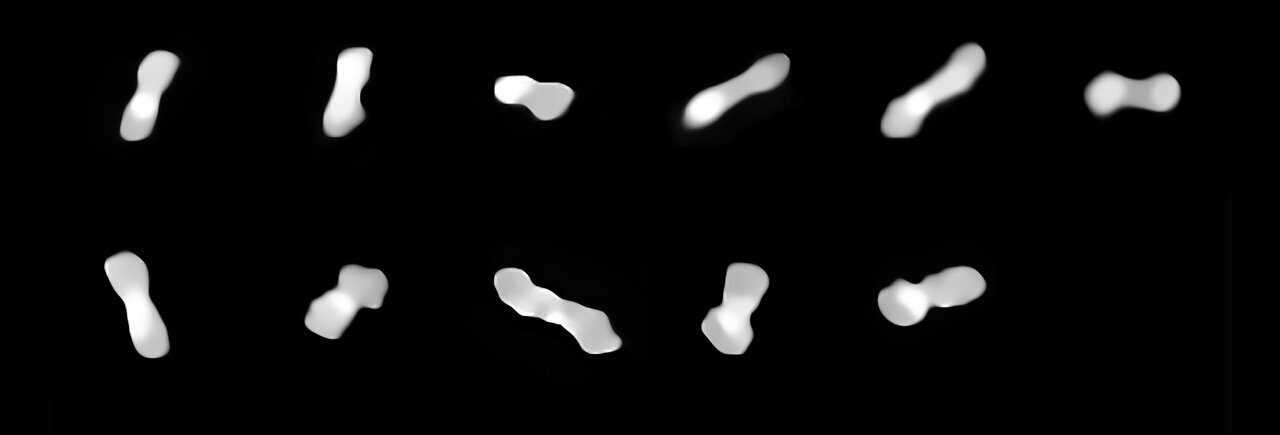
Using the European Southern Observatory’s Very Large Telescope (ESO’s VLT), a team of astronomers have obtained the sharpest and most detailed images yet of the asteroid Kleopatra...
Read More

September 10, 2021,
 Astronomy/Space
Using the European Southern Observatory’s Very Large Telescope (ESO’s VLT), a team of astronomers have obtained the sharpest and most detailed images yet of the asteroid Kleopatra...
Read More
September 10, 2021,
Biology/Biotechnology, Astronomy/Space, Health/Medical
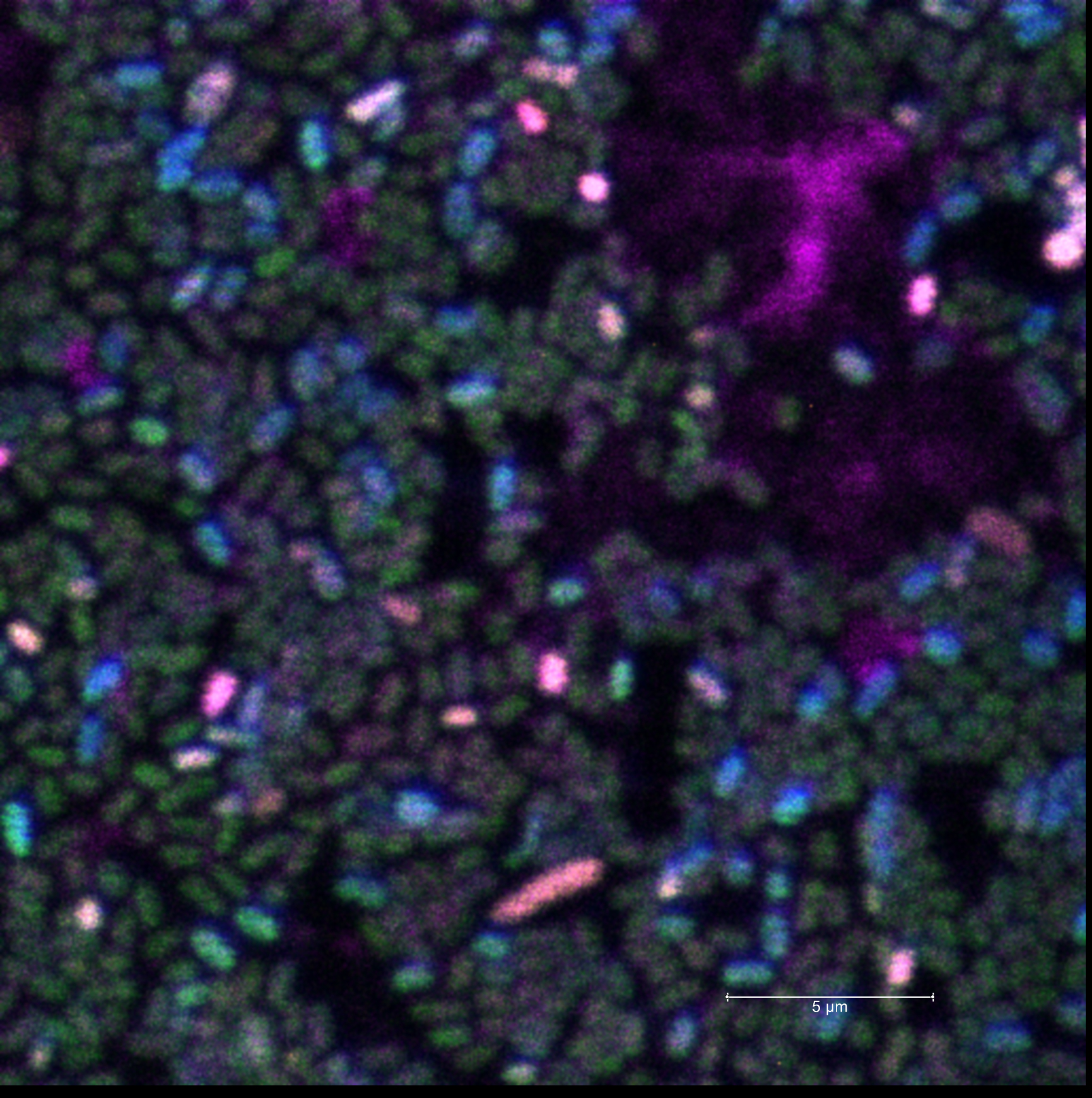
In a first study of its kind, scientists characterized different bacterial populations isolated over time from potable (drinking) water from the International Space Station (ISS).
By all appearances, the universe beyond Earth is a vast, lonely, and sterile space. Yet, wherever humans may travel, an abundance of microbial life will follow.
In a first study of its kind, lead author Jiseon Yang at th...
Read More
September 9, 2021,
Astronomy/Space
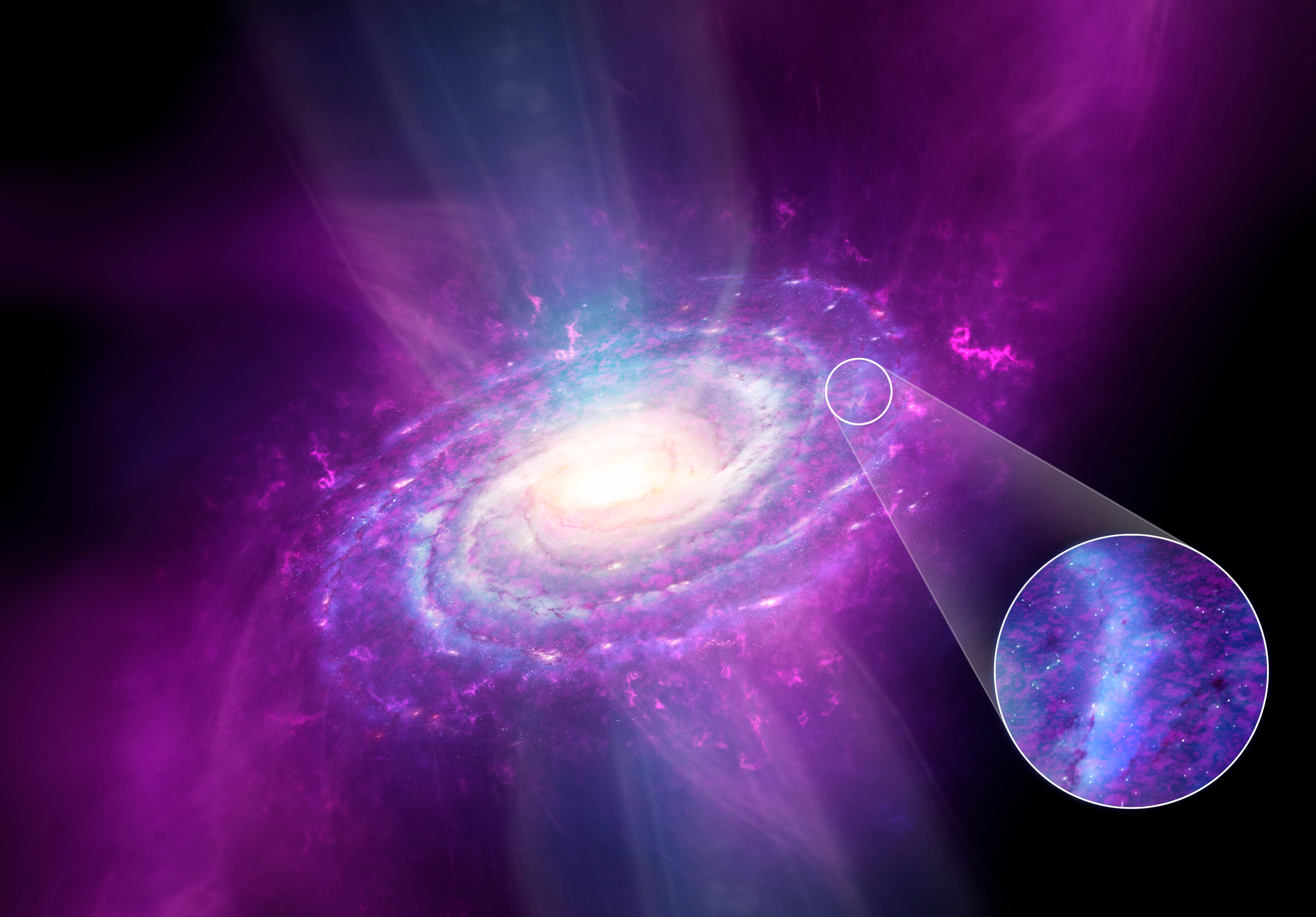
In order to better understand the history and evolution of the Milky Way, astronomers are studying the composition of the gases and metals that make up an important part of our galaxy. Three main elements stand out: the initial gas coming from outside our galaxy, the gas between the stars inside our galaxy—enriched with chemical elements –, and the dust created by the condensation of the metals present in this gas.
Until now, theoretical models assumed that these three elements were homogeneously mixed throughout the Milky Way and reached a level of chemical e...
Read More
September 7, 2021,
Astronomy/Space
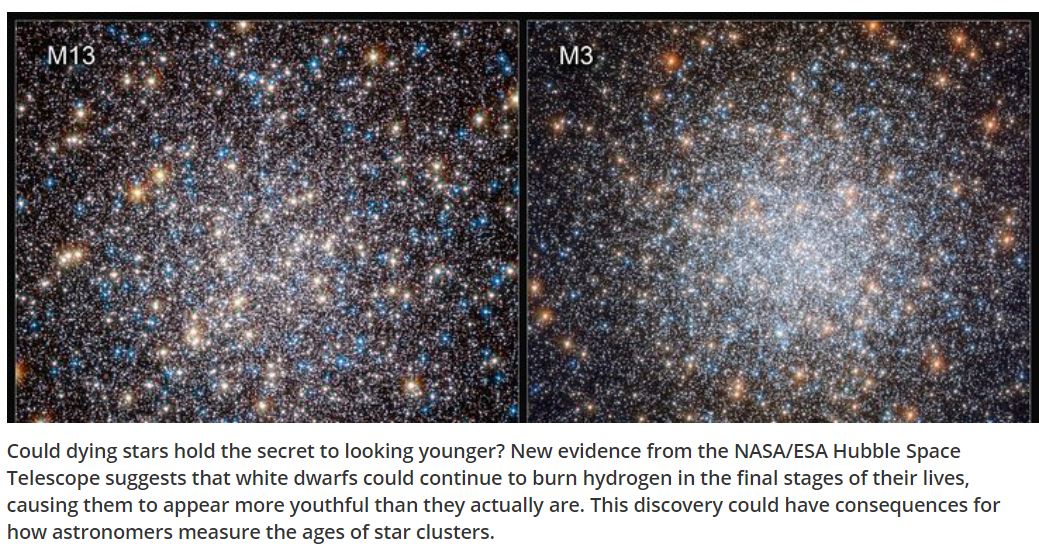
Could dying stars hold the secret to looking younger? New evidence suggests that white dwarfs could continue to burn hydrogen in the final stages of their lives, causing them to appear more youthful than they actually are. This discovery could have consequences for how astronomers measure the ages of star clusters.
The prevalent view of white dwarfs as inert, slowly cooling stars has been challenged by observations from the NASA/ESA Hubble Space Telescope. An international group of astronomers have discovered the first evidence that white dwarfs can slow down their rate of ageing by burning hydrogen on their surface.
“We have found the first observational evidence that white dwarfs can still undergo stable thermonuclear activity,” explained Jianxing Chen of the Alma Mater Studio...
Read More
Recent Comments