
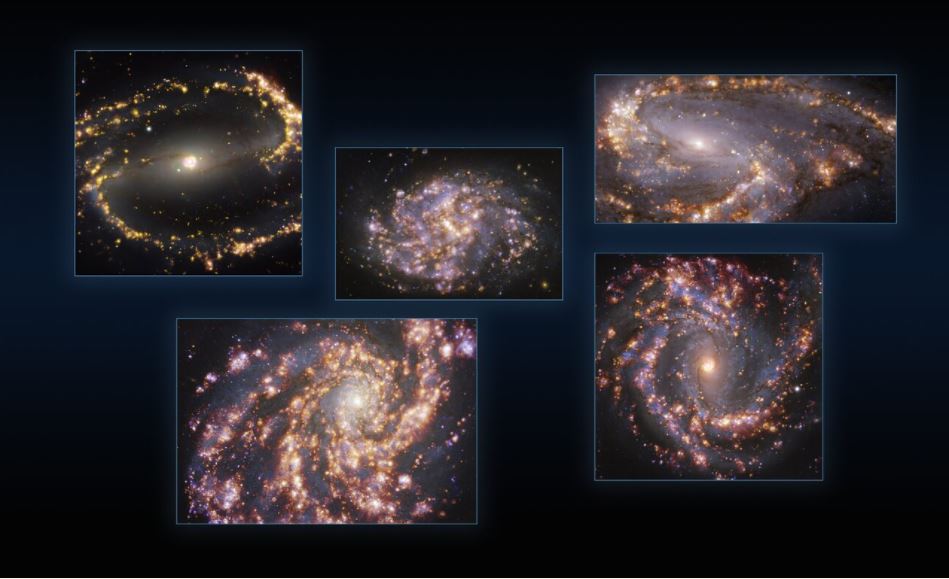
A team of astronomers has released new observations of nearby galaxies that resemble colourful cosmic fireworks...
Read More

July 17, 2021,
 Astronomy/Space
A team of astronomers has released new observations of nearby galaxies that resemble colourful cosmic fireworks...
Read More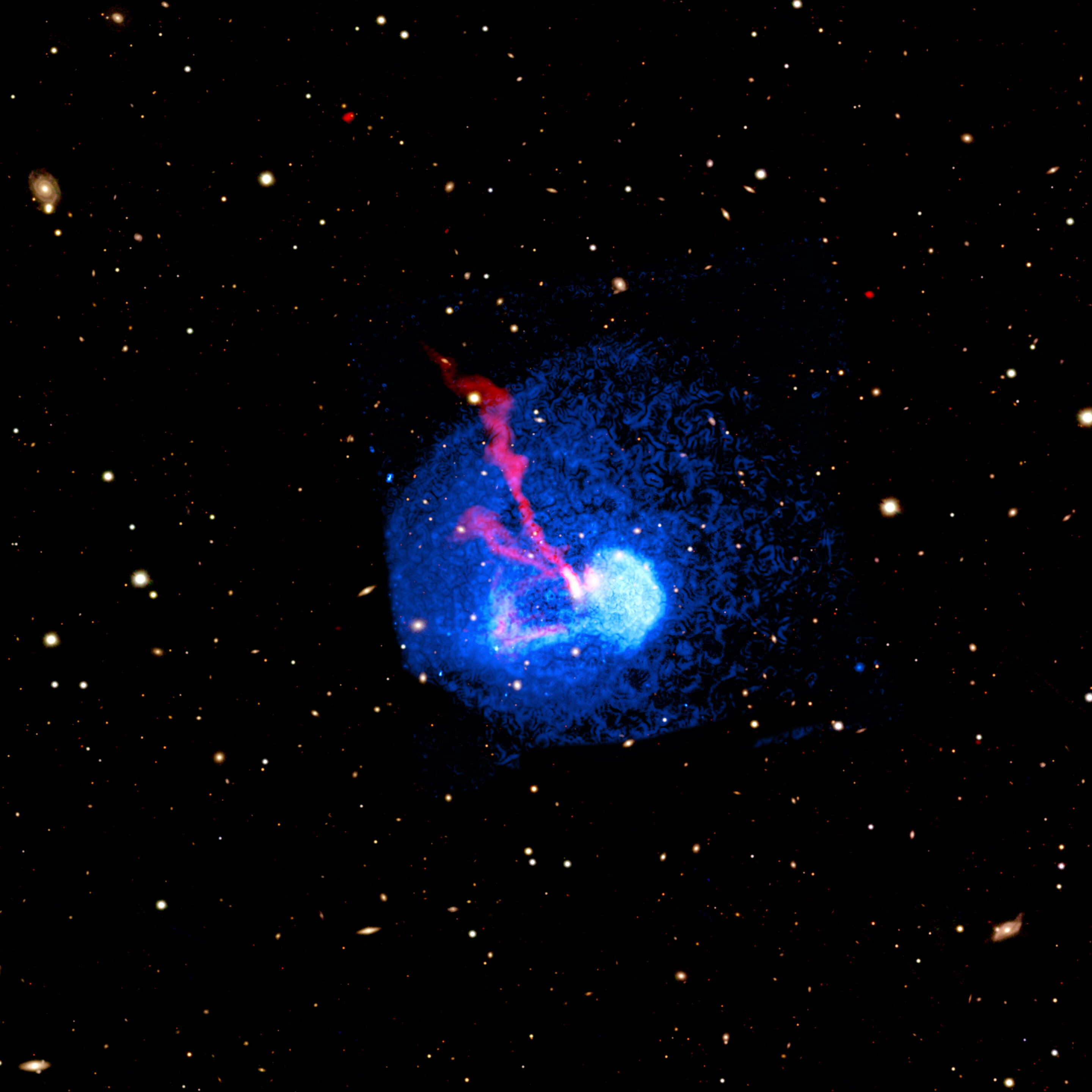
When the titans of space—galaxy clusters—collide, extraordinary things can happen. A new study using NASA’s Chandra X-ray Observatory examines the repercussions after two galaxy clusters clashed.
Galaxy clusters are the largest structures in the Universe held together by gravity, containing hundreds or even thousands of individual galaxies immersed in giant oceans of superheated gas. In galaxy clusters, the normal matter—like the atoms that make up the stars, planets, and everything on Earth—is primarily in the form of hot gas and stars. The mass of the hot gas between the galaxies is far greater than the mass of the stars in all of the galaxies...
Read More
July 14, 2021,
Astronomy/Space
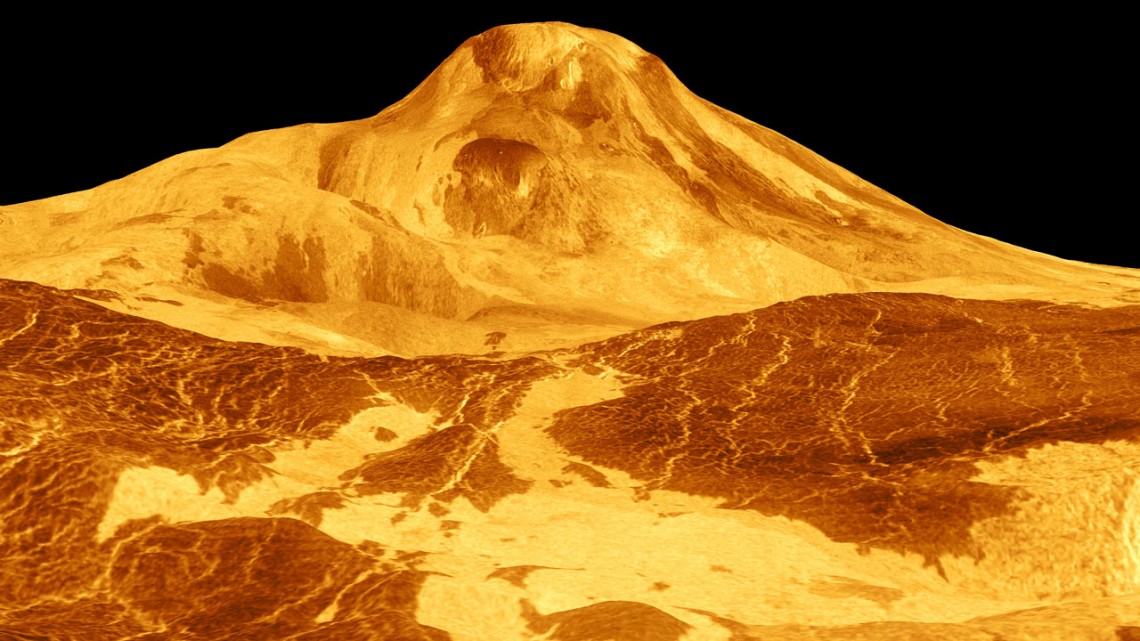
Scientists last autumn revealed that the gas phosphine was found in trace amounts in Venus’ upper atmosphere. That discovery promised the slim possibility that phosphine serves as a biological signature for the hot, toxic planet.
Now Cornell scientists say the phosphine’s chemical fingerprints support a different and important scientific find: evidence of explosive volcanoes on the mysterious planet.
“The phosphine is not telling us about the biology of Venus,” said Jonathan Lunine, the David C. Duncan Professor in Physical Sciences and chair of the Department of Astronomy in the College of Arts and Sciences. “It’s telling us about the geology...
Read More
A research team co-led by UCL (University College London) has solved a decades-old mystery as to how Jupiter produces a spectacular burst of X-rays every few minutes.
The X-rays are part of Jupiter’s aurora — bursts of visible and invisible light that occur when charged particles interact with the planet’s atmosphere. A similar phenomenon occurs on Earth, creating the northern lights, but Jupiter’s is much more powerful, releasing hundreds of gigawatts of energy, enough to briefly power all of human civilisation*.
In a new study, published in Science Advances, researchers combined close-up observations of Jupiter’s environment by NASA’s satellite Juno, which is currently orbiting the planet, with simultaneous X-ray measurements from the European Space Agency’s XMM-Newton observa...
Read More
Recent Comments