


Category Astronomy/Space
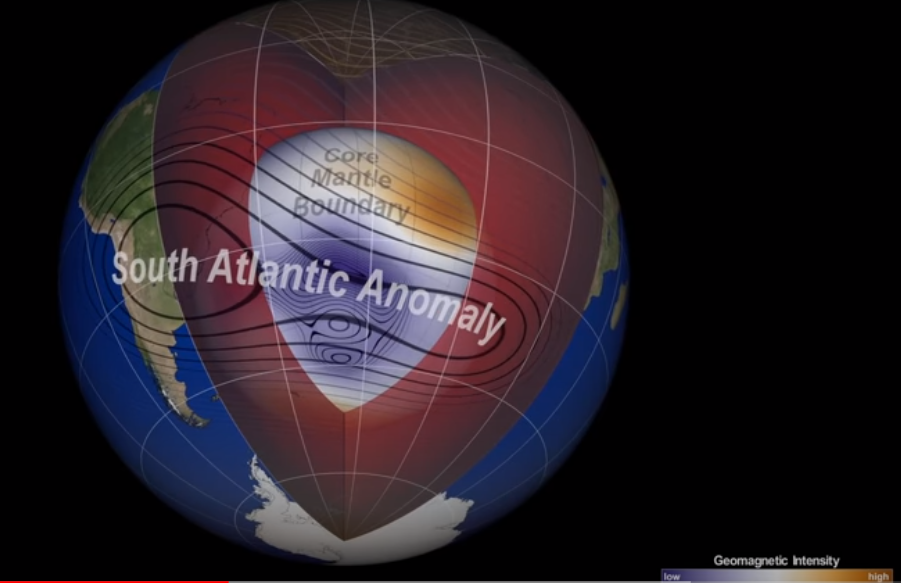
Researchers track slowly splitting ‘Dent’ in Earth’s Magnetic Field
August 19, 2020,
 Astronomy/Space, Environment/Geology
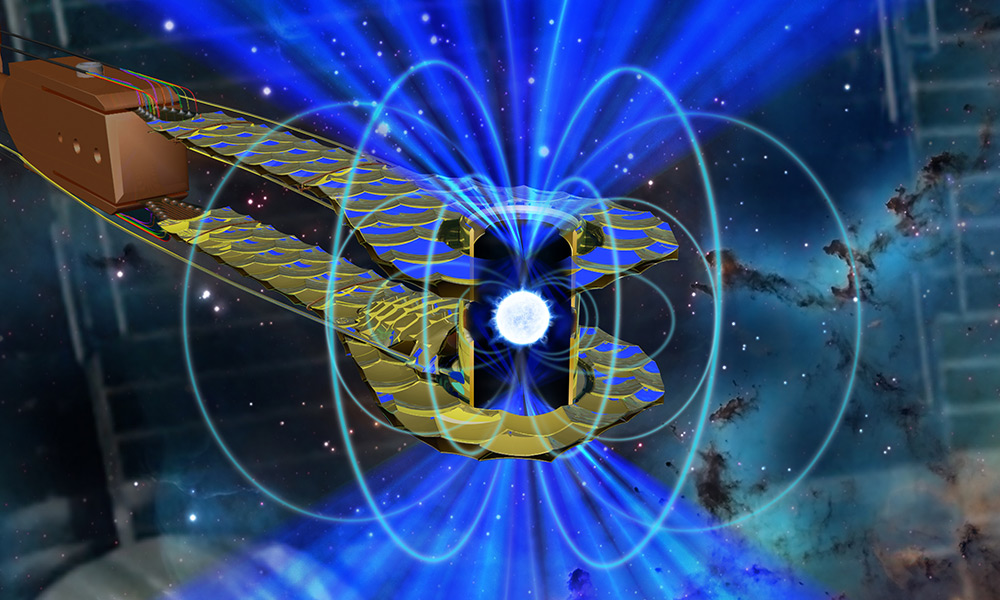
Findings could shed light on creating new materials on Earth. For the first time, researchers have found a way to describe conditions deep in the convection zone of “white dwarf” stars, which are home to some of the densest collections of matter in the Universe.
In a project conducted at the National Ignition Facility at Lawrence Livermore National Laboratory, the research team, including University of Rochester engineering profess...
Read MoreAurora mysteries unlocked with NASA’s THEMIS mission
August 17, 2020,
Astronomy/Space
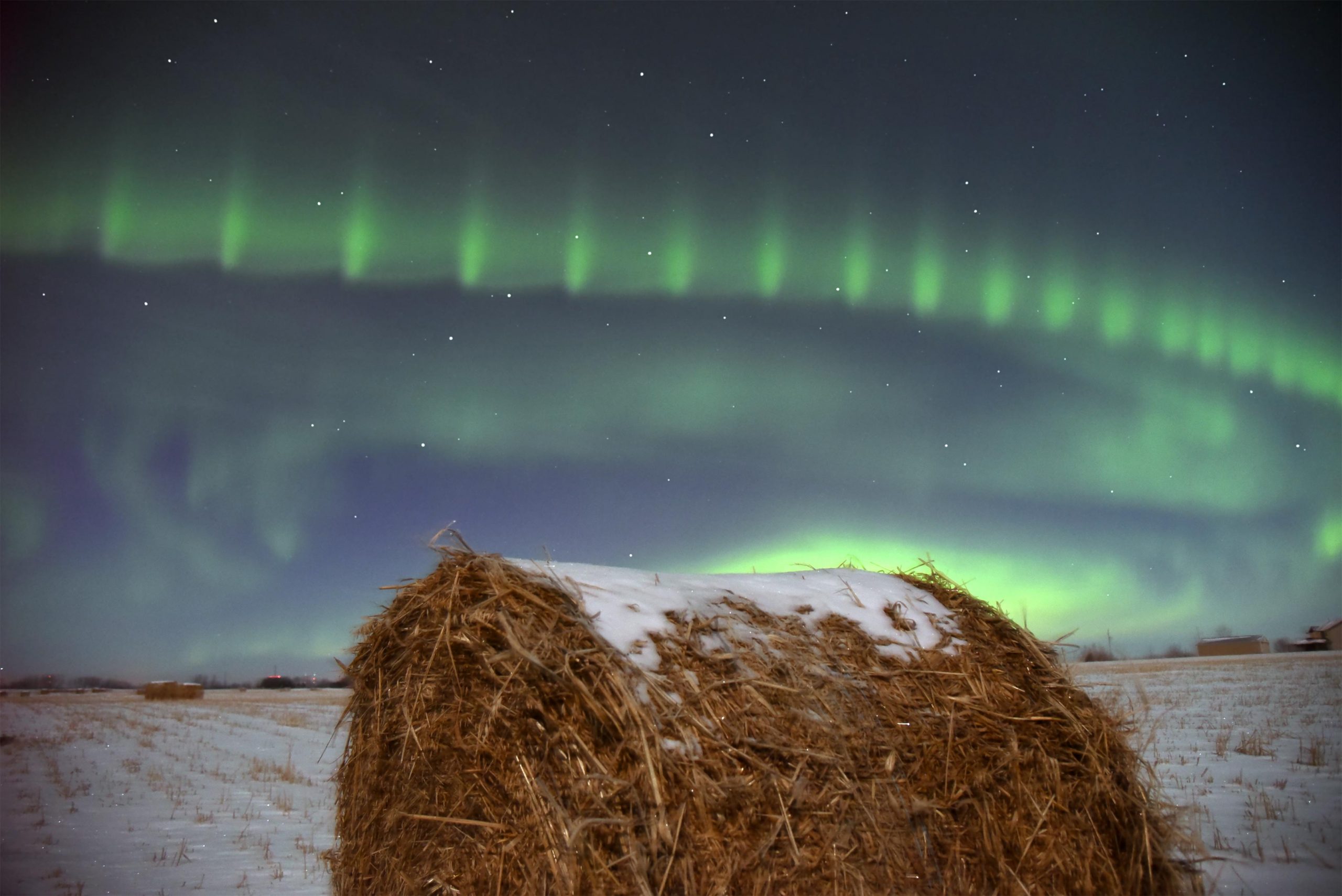
A special type of aurora, draped east-west across the night sky like a glowing pearl necklace, is helping scientists better understand the science of auroras and their powerful drivers out in space. Known as auroral beads, these lights often show up just before large auroral displays, which are caused by electrical storms in space called substorms...
Read MoreHow Stars form in the Smallest Galaxies
August 15, 2020,
Astronomy/Space

The question of how small, dwarf galaxies have sustained the formation of new stars over the course of the Universe has long confounded the world’s astronomers. An international research team led by Lund University in Sweden has found that dormant small galaxies can slowly accumulate gas over many billions of years. When this gas suddenly collapses under its own weight, new stars are able to arise.
There are around 2,000 billion galaxies in our Universe and, while our own Milky-Way encompasses between 200 and 400 billion stars, small dwarf galaxies contain only a thousand times less. How stars are formed in these tiny galaxies has long been shrouded in mystery.
However, in a new study published in the research journal Monthly Notices of the Royal Astronomical Society, a resea...
Read More
Recent Comments