

Credits: NASA’s Goddard Space Flight Center
Astronomers have detected elusive pulsation patterns in dozens of young, rapidly rotating stars thanks to data from NASA’s Transiting Exoplanet Survey Satellite (TESS)...
Read More

Astronomers have detected elusive pulsation patterns in dozens of young, rapidly rotating stars thanks to data from NASA’s Transiting Exoplanet Survey Satellite (TESS)...
Read More
May 15, 2020,
 Astronomy/Space
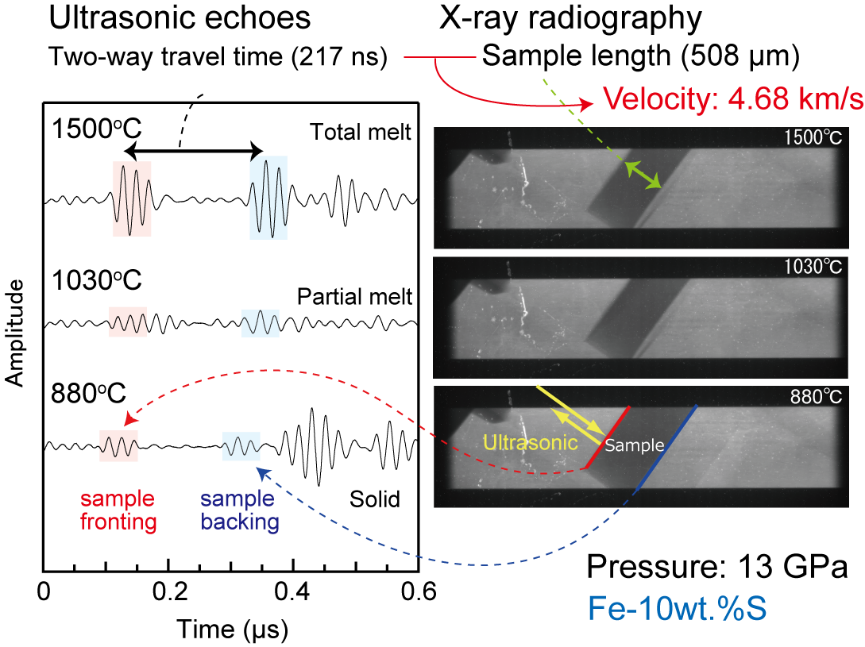
Researchers simulate the core of Mars to investigate composition and origin. Earth-based experiments on iron-sulfur alloys thought to comprise the core of Mars reveal details about the planet’s seismic properties for the first time. This information will be compared to observations made by Martian space probes in the near future. Whether the results between experiment and observation coincide or not will either confirm existing theories about Mars’ composition or call into question the story of its origin.
Mars is one of our closest terrestrial neighbors, yet it’s still very far away – between about 55 million and 400 million kilometers depending on where Earth and Mars ...
Read More
May 14, 2020,
Physics, Astronomy/Space
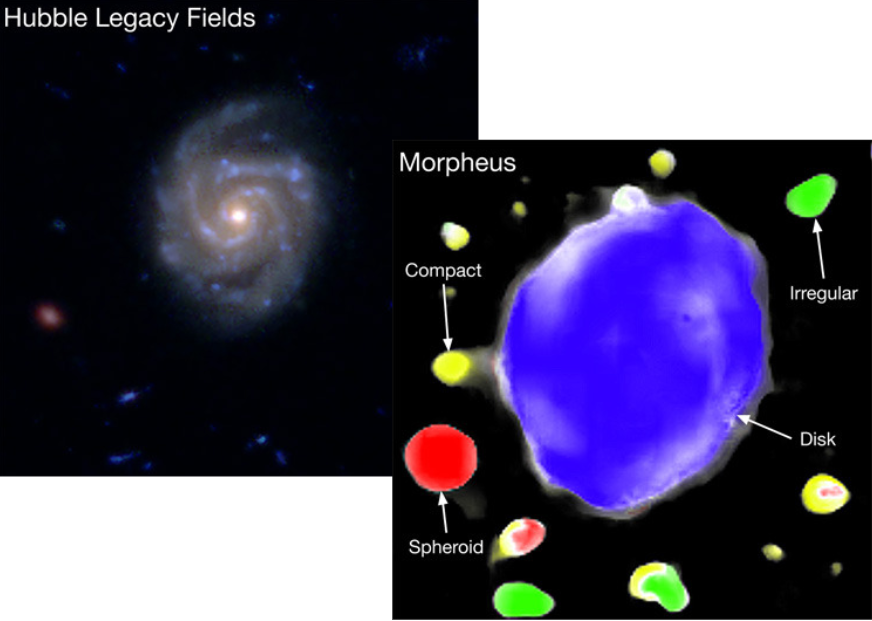
Researchers at UC Santa Cruz have developed a powerful new computer program called Morpheus that can analyze astronomical image data pixel by pixel to identify and classify all of the galaxies and stars in large data sets from astronomy surveys.
Morpheus is a deep-learning framework that incorporates a variety of artificial intelligence technologies developed for applications such as image and speech recognition...
Read More
May 13, 2020,
Astronomy/Space
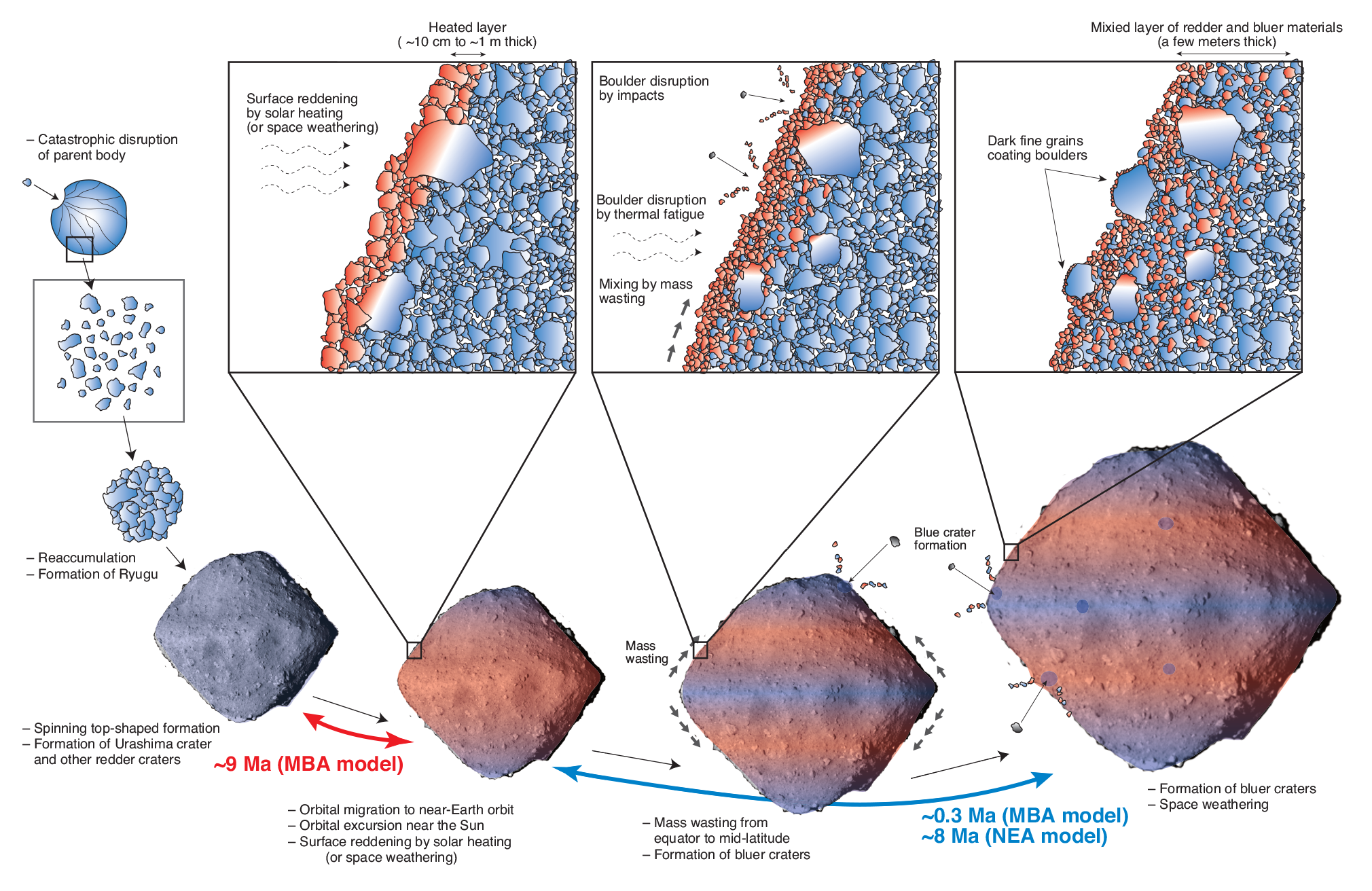
Ryugu’s interaction with the sun changes what we know about asteroid history. In February and July of 2019, the Hayabusa2 spacecraft briefly touched down on the surface of near-Earth asteroid Ryugu. The readings it took with various instruments at those times have given researchers insight into the physical and chemical properties of 1-kilometer-wide asteroid. These findings could help explain the history of Ryugu and other asteroids, as well as the solar system at large.
When our solar system formed around 5 billion years ago, most of the material it formed from became the sun, and a fraction of a percent became the planets and solid bodies, including asteroids...
Read More
Recent Comments