


A method of weighing the quantities of matter in galaxy clusters – the largest objects in our universe – has shown a balance between the amounts of hot gas, stars and other materials...
Read More

A method of weighing the quantities of matter in galaxy clusters – the largest objects in our universe – has shown a balance between the amounts of hot gas, stars and other materials...
Read More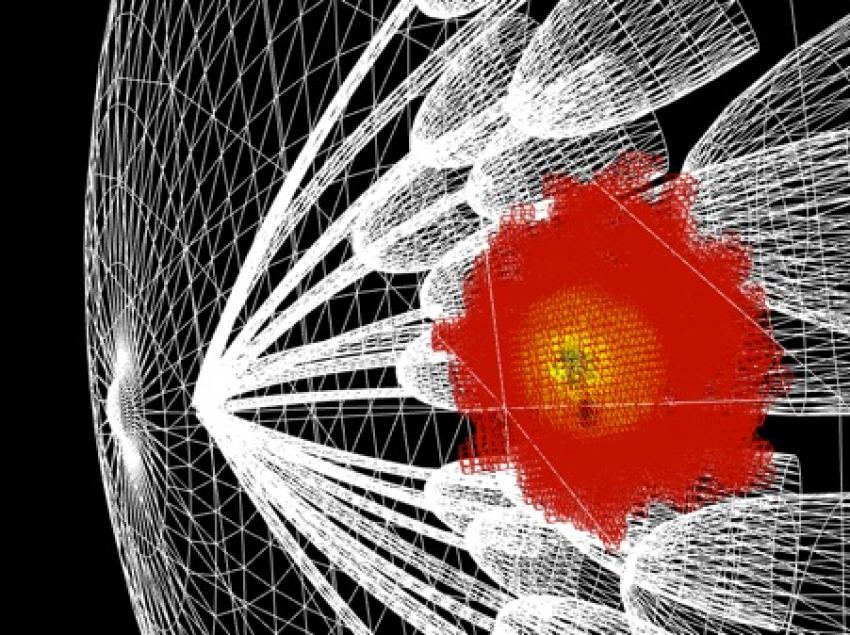
Techniques developed by astronomers could help in the fight against breast and skin cancer. A large part of astronomy depends on the detection and analysis of light. For example, scientists study the light scattered, absorbed and re-emitted in clouds of gas and dust, obtaining information on their interior.
Despite the vast differences in scale, the processes that light undergoes when travelling through the human body are very similar to those seen in space. And when things go wrong – when tissue becomes cancerous – that change should show up.
In the UK, nearly 60,000 women are diagnosed with breast cancer each year, and 12,000 die...
Read More
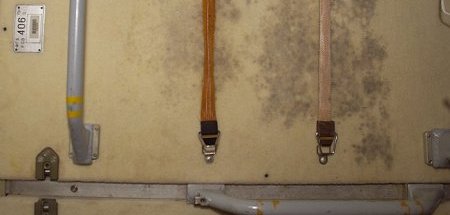
New research presented at the 2019 Astrobiology Science Conference in Bellevue, Wa. The International Space Station, like all human habitats in space, has a nagging mold problem. Astronauts on the ISS spend hours every week cleaning the inside of the station’s walls to prevent mold from becoming a health problem. New research finds mold spores may also survive on the outside walls of spacecraft.
Spores of the two most common types of mold on the ISS, Aspergillus and Pennicillium, survive X-ray exposure at 200 times the dose that would kill a human, according to Marta Cortesão, a microbiologist at the German Aerospace Center (DLR) in Cologne, who will present the new resear...
Read More
Recent Comments