Category Astronomy/Space

Water might be older than we first thought, forming a key constituent of the first galaxies

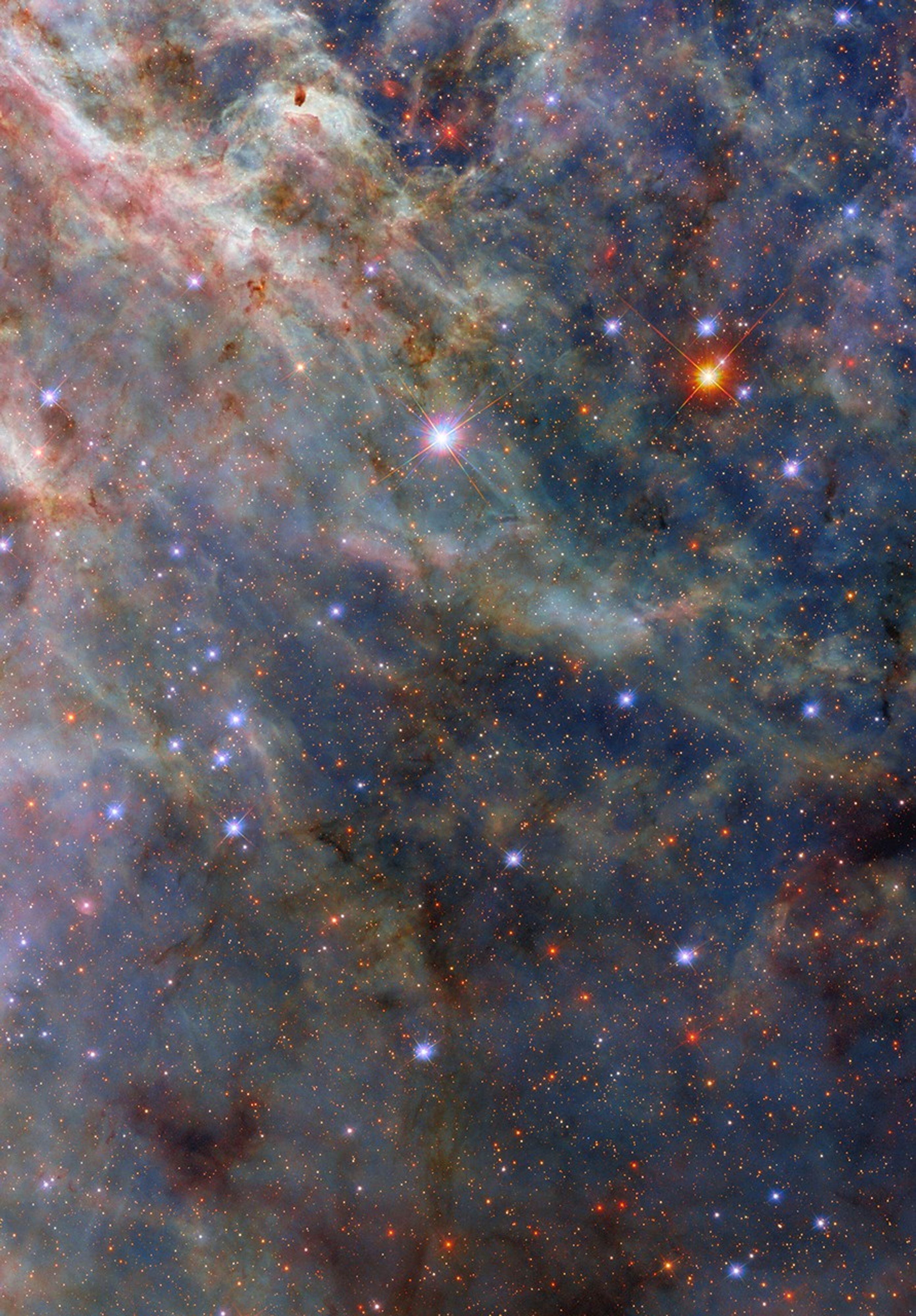
Water may have first formed 100–200 million years after the Big Bang, according to a modeling paper published in Nature Astronomy. The authors suggest that the formation of water may have occurred in the universe earlier than previously thought and may have been a key constituent of the first galaxies.

Water is crucial for life as we know it, and its components—hydrogen and oxygen—are known to have formed in different ways. Lighter chemical elements such as hydrogen, helium and lithium were forged in the Big Bang, but heavier elements, such as oxygen, are the result of nuclear reactions within stars or supernova explosions. As such, it is unclear when water began to form in the universe.

Researcher Daniel Whalen and colleagues utilized computer models of two supernovae—the...

Read More

New theory suggests star mergers produce universe’s highest-energy particles

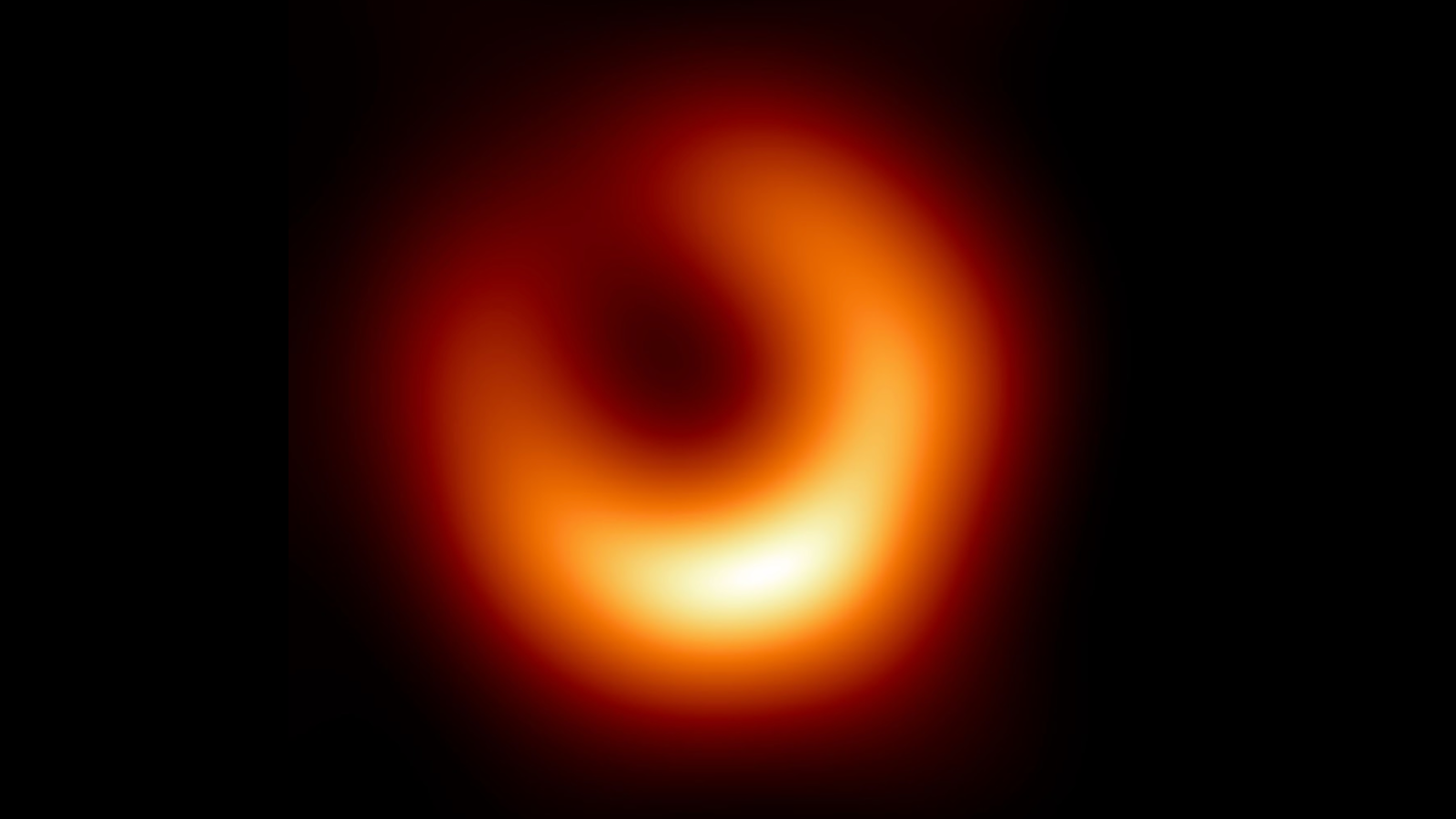
Ultrahigh Energy Cosmic Rays are the highest-energy particles in the universe, whose energies are more than a million times what can be achieved by humans. But while the existence of UHECRs has been known for 60 years, researchers have not succeeded in formulating a satisfactory explanation for their origin that explains all the observations.

But a new theory introduced by New York University physicist Glennys Farrar provides a viable and testable explanation for how UHECRs are created.

“After six decades of effort, the origin of the mysterious highest-energy particles in the universe may finally have been identified,” says Farrar, a Collegiate Professor of Physics and Julius Silver, Rosalind S. Silver, and Enid Silver Winslow Professor at NYU...

Read More

Can we find floating vegetation on ocean planets?

An illustration depicting seasonal changes in floating vegetation and the resulting periodic changes in water surface reflectance. It is expected to become a novel indicator in searching for life on ocean planets.(credit: Astrobiology Center)

Recent advances in astronomical observations have found a significant number of extrasolar planets that can sustain surface water, and the search for extraterrestrial life on such planets is gaining momentum. A team of astrobiologists has proposed a novel approach for detecting life on ocean planets. By conducting laboratory measurements and satellite remote sensing analyses, they have demonstrated that the reflectance spectrum of floating vegetation could serve as a promising biosignature...

Read More

Adsorptive regolith on Mars soaks up water, updated model shows

Adsorptive Regolith on Mars Soaks Up Water, Researchers Reveal

Mars, the next frontier in space exploration, still poses many questions for scientists. The planet was once more hospitable, characterized by a warm and wet climate with liquid oceans. But today Mars is cold and dry, with most water now located below the surface. Understanding how much water is stored offers critical information for energy exploration, as well as life sustainability on the planet.

A research group from Tohoku University has helped shed light on this by improving an existing Mars climate model. The enhanced model accommodates the various properties of Martian regolith, or the loose deposits of solid rock that comprise Martian soil. The study is published in the Journal of Geophysical Research: Planets.

...Read More