
Category Biology/Biotechnology

Cleaning up Environmental Contaminants with Quantum Dot Technology

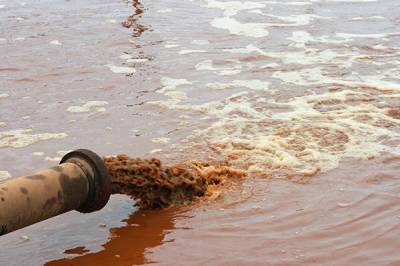
A pipe releasing dirty brown water into a river.
Tackling contaminants in polluted water could be one application for nonmetallic quantum dots.
WvdMPhotography/Shutterstock.com

The 2023 Nobel Prize in Chemistry was focused on quantum dots – objects so tiny, they’re controlled by the strange and complex rules of quantum physics. Many quantum dots used in electronics are made from toxic substances, but their nontoxic counterparts are now being developed and explored for uses in medicine and in the environment. One team of researchers is focusing on carbon- and sulfur-based quantum dots, using them to create safer invisible inks and to help decontaminate water supplies.

The researchers will present their results today at the spring meeting of the American Chemical Society (ACS).

Quantum dots are synthetic nanometer-scale semiconduc...

Read More

Revitalizing Vision: Metabolome Rejuvenation Can Slow Retinal Degeneration

Revitalizing vision: Metabolome rejuvenation slows retinal degeneration
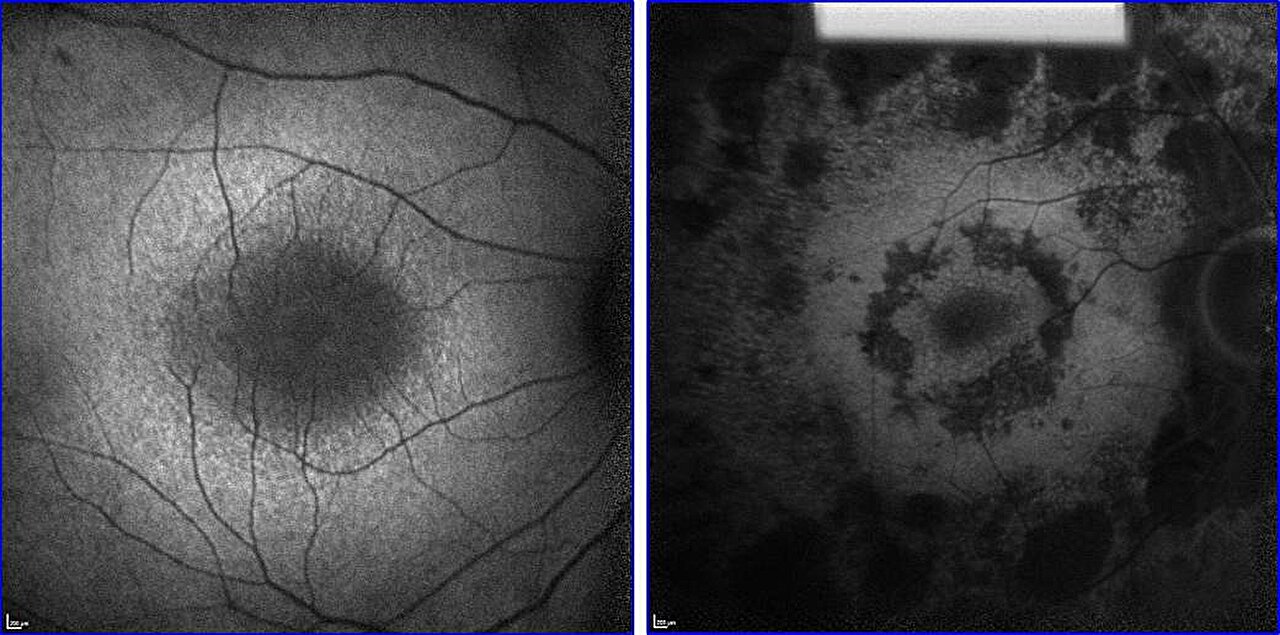
Different stages of retina degeneration in two people with RP. Credit: Photos provided by Stephen Tsang.

Gene therapy may be the best hope for curing retinitis pigmentosa (RP), an inherited condition that usually leads to severe vision loss and blinds 1.5 million people worldwide.

But there’s a huge obstacle: RP can be caused by mutations in over 80 different genes. To treat most RP patients with gene therapy, researchers would have to create a therapy for each gene—a nearly impractical task using current gene therapy strategies.

A more universal treatment may be forthcoming...

Read More

Craving Snacks After a Meal? It might be Food-Seeking Neurons, Not an Overactive Appetite

Four hands reaching for designer doughnuts
Tu Trinh/Unsplash
The discovery of a circuit in the brain of mice that makes them seek fatty food, even when they are not hungry, could have implications for future understanding of and treatment for human eating disorders

A new study has shown that food-seeking cells exist in a part of a mouse’s brain usually associated with panic — but not with feeding. Activating a selective cluster of these cells kicked mice into ‘hot pursuit’ of live and non-prey food, and showed a craving for fatty foods intense enough that the mice endured foot shocks to get them, something full mice normally would not do. If true in humans, who also carry these cells, the findings could help address the circuit that can circumvent the normal hunger pressures of ‘how, what and when to eat.’

People who find the...

Read More

Severe Lung Infection during COVID-19 can cause Damage to the Heart

Vector illustration of a heart and coronavirus

SARS-CoV-2, the virus that causes COVID-19, can damage the heart even without directly infecting the heart tissue, a study has found. The research, published in the journal Circulation, specifically looked at damage to the hearts of people with SARS-CoV-2-associated acute respiratory distress syndrome (ARDS), a serious lung condition that can be fatal. But researchers said the findings could have relevance to organs beyond the heart and also to viruses other than SARS-CoV-2.

Scientists have long known that COVID-19 increases the risk of heart attack, stroke, and Long COVID, and prior imaging research has shown that over 50% of people who get COVID-19 experience some inflammation or damage to the heart...

Read More
