Category Biology/Biotechnology

Brain Boosters from Exercise and Diet

walking
Credit: Unsplash/CC0 Public Domain

Studies show that physical activity is actually a mental health exercise. One article that states just 15 minutes of walking, especially in the out-of-doors, can boost mood and reduce feelings of depression.

People seem to think more clearly after a brisk walk as well. It makes sense. As the heart pumps oxygen and nutrients to working muscles, the brain gets the same benefits.

Are there foods that might help our brains stay focused?
In 2015, scientists reported on a diet that was found to help slow the gradual decline in cognitive function we may experience as we age...
Read More

Researchers leverage AI to Develop Early Diagnostic Test for Ovarian Cancer

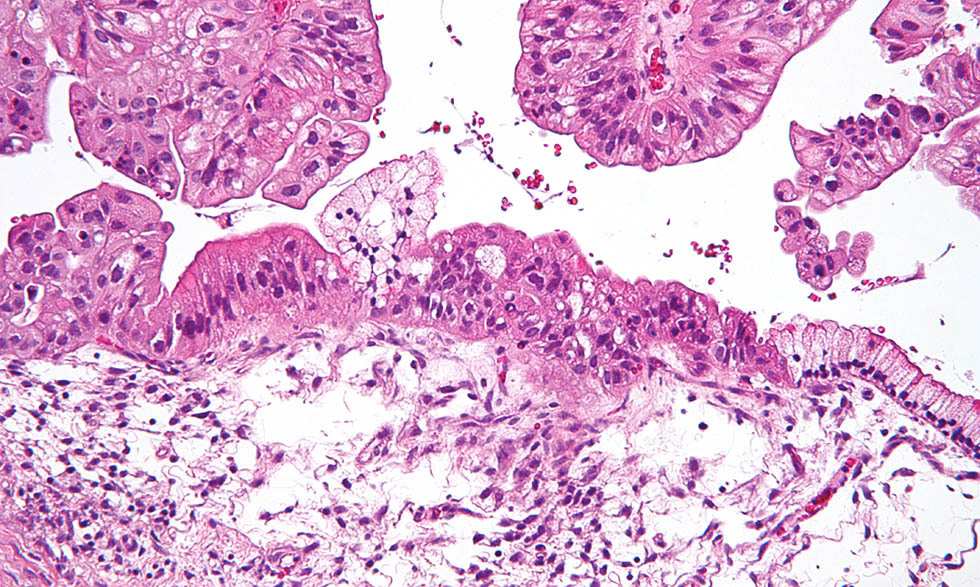
Micrograph of a mucinous ovarian tumor (Photo National Institutes of Health)

For over three decades, a highly accurate early diagnostic test for ovarian cancer has eluded physicians. Now, scientists in the Georgia Tech Integrated Cancer Research Center (ICRC) have combined machine learning with information on blood metabolites to develop a new test able to detect ovarian cancer with 93 percent accuracy among samples from the team’s study group.

John McDonald, professor emeritus in the School of Biological Sciences, founding director of the ICRC, and the study’s corresponding author, explains that the new test’s accuracy is better in detecting ovarian cancer than existing tests for women clinically classified as normal, with a particular improvement in detecting early-stage ovarian d...

Read More

Re-energizing Mitochondria to Treat Alzheimer’s Disease

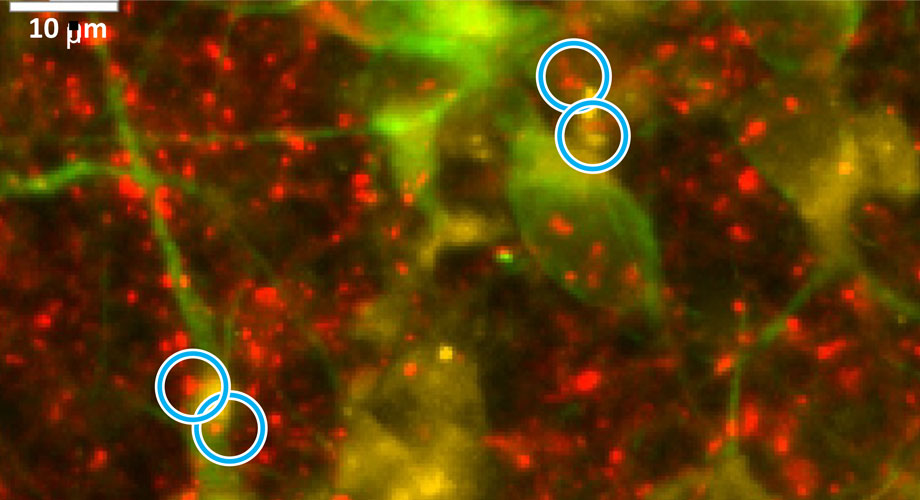
Alzheimer’s nerve cells manifest a decrease in the connections between nerve cells, called synapses, shown here within the blue circles. Half the synapse is marked with a red fluorescent stain and the other half with a yellow stain. Credit: Scripps Research

Nerve cells in the brain demand an enormous amount of energy to survive and maintain their connections for communicating with other nerve cells. In Alzheimer’s disease, the ability to make energy is compromised, and the connections between nerve cells (called synapses) eventually come apart and wither, causing new memories to fade and fail.

A Scripps Research team, reporting in the journal Advanced Science, has now identified the energetic reactions in brain cells that malfunction and lead to neurodegeneration...

Read More

How Obesity Dismantles our Mitochondria: Study reveals Key Mechanism behind Obesity-related Metabolic Dysfunction

mitochondria
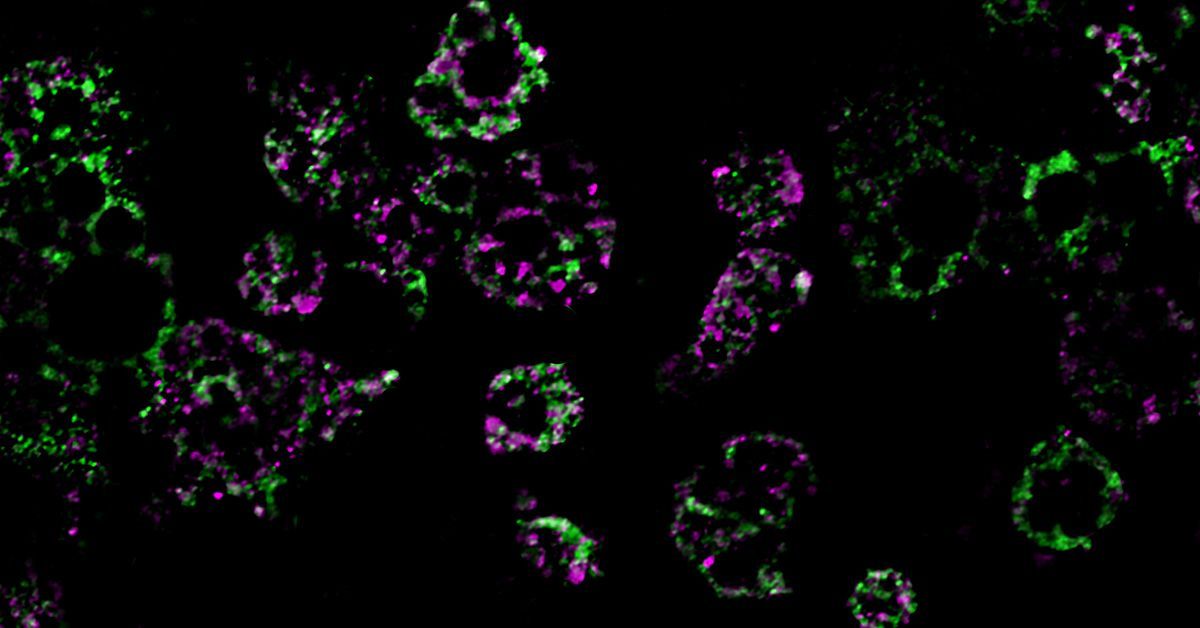
These colored streaks are mitochondrial networks within fat cells. Researchers from UC San Diego discovered that a high-fat diet dismantles mitochondria, resulting in weight gain. Photo credit: UC San Diego Health Sciences

The number of people with obesity has nearly tripled since 1975, resulting in a worldwide epidemic. While lifestyle factors like diet and exercise play a role in the development and progression of obesity, scientists have come to understand that obesity is also associated with intrinsic metabolic abnormalities.

Now, researchers from University of California San Diego School of Medicine have shed new light on how obesity affects our mitochondria, the all-important energy-producing structures of our cells.

In a study published in Nature Metabolism, the researcher...

Read More