
Category Biology/Biotechnology

New Fuel Cell Harvests Energy from Microbes in Soil to Power Sensors, Communications

New fuel cell harvests energy from microbes in soil to power sensors, communications
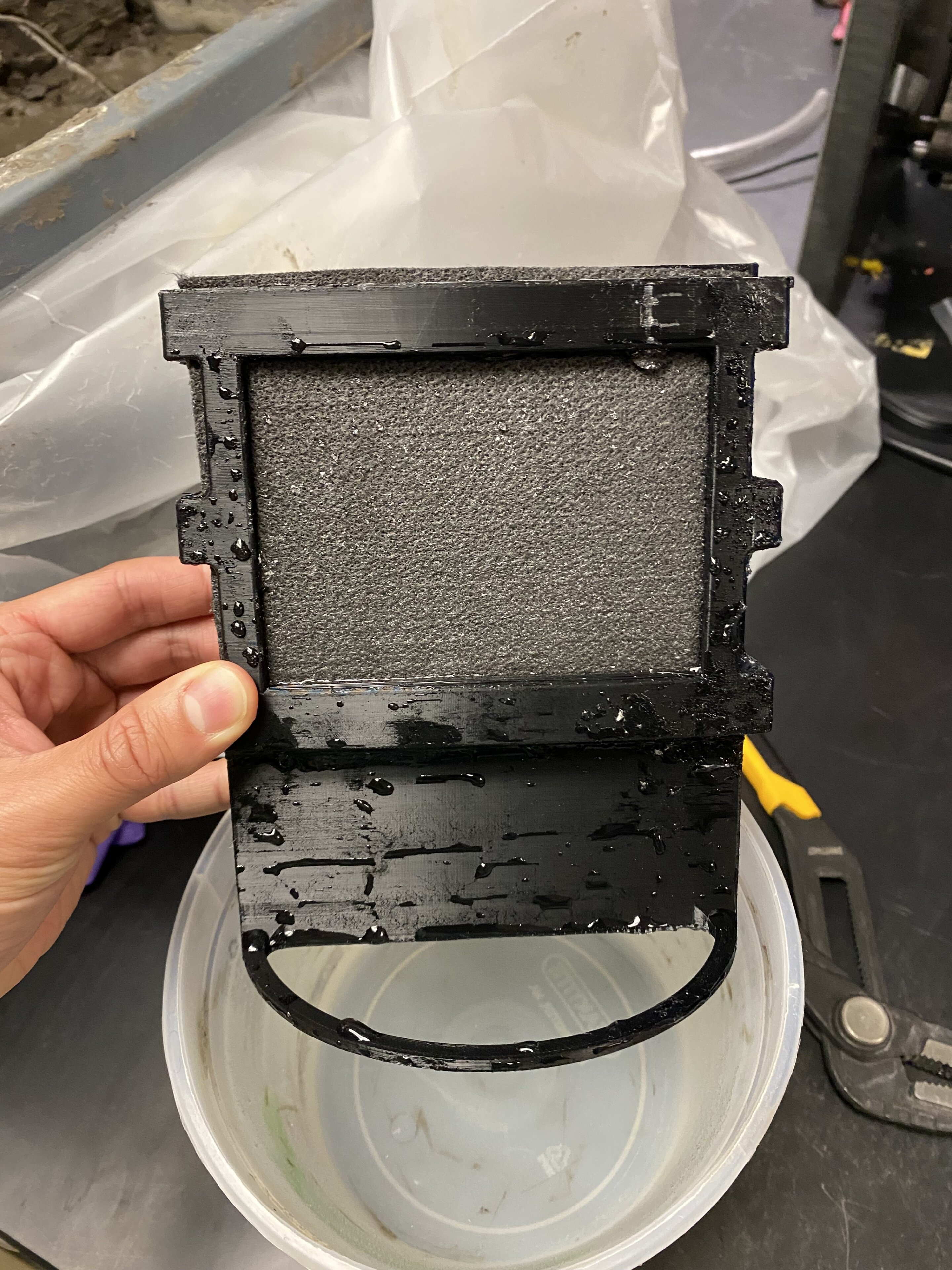
The clean fuel cell in the lab. Credit: Bill Yen/Northwestern University

A Northwestern University-led team of researchers has developed a new fuel cell that harvests energy from microbes living in dirt.

About the size of a standard paperback book, the completely soil-powered technology could fuel underground sensors used in precision agriculture and green infrastructure. This potentially could offer a sustainable, renewable alternative to batteries, which hold toxic, flammable chemicals that leach into the ground, are fraught with conflict-filled supply chains and contribute to the ever-growing problem of electronic waste.

To test the new fuel cell, the researchers used it to power sensors measuring soil moisture and detecting touch, a capability that could be valuable for track...

Read More
Study: In patients with Long COVID, Immune cells don’t follow the rules

Kailin Yin speaking with Nadia Roan in the lab
Kailin Yin (left), a postdoctoral fellow in the Roan Lab and co-first author of the study, collaborates with Gladstone Senior Investigator Nadia Roan. Their study revealed unusual activity among certain immune cells in people with long COVID.

People with long COVID have dysfunctional immune cells that show signs of chronic inflammation and faulty movement into organs, among other unusual activity, according to a new study by scientists at Gladstone Institutes and UC San Francisco (UCSF).

The team analyzed immune cells and hundreds of different immune molecules in the blood of 43 people with and without long COVID...

Read More

Scientists Identify how Dietary Restriction Slows Brain Aging and Increases Lifespan

Scientists identify how dietary restriction slows brain aging and increases lifespan
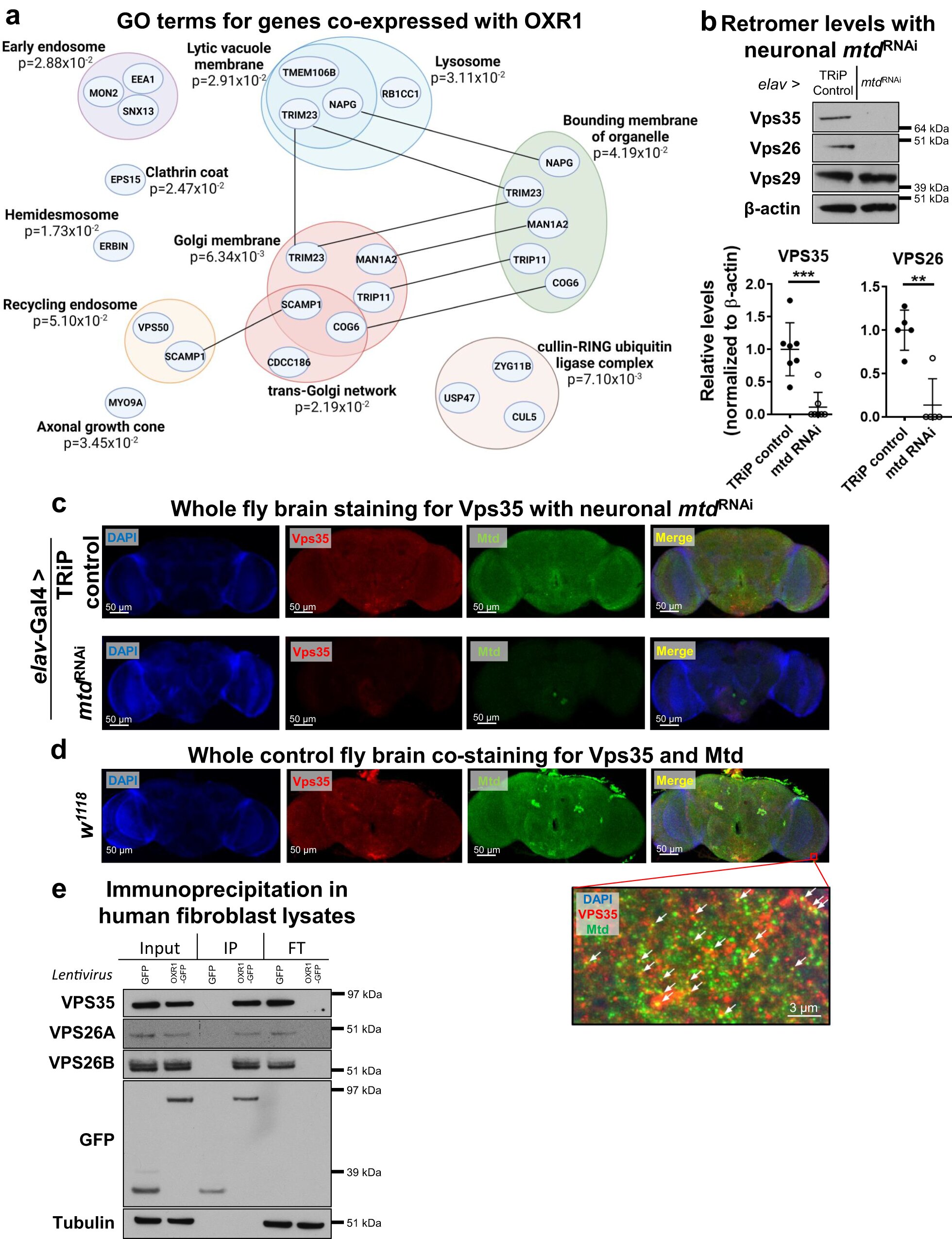
mtd interacts with the retromer complex and is required for retromer maintenance. Credit: Nature Communications (2024). DOI: 10.1038/s41467-023-44343-3

Restricting calories is known to improve health and increase lifespan, but much of how it does so remains a mystery, especially in regard to how it protects the brain. Buck Institute for Research on Aging scientists have uncovered a role for a gene called OXR1 that is necessary for the lifespan extension seen with dietary restriction and is essential for healthy brain aging.

“When people restrict the amount of food that they eat, they typically think it might affect their digestive tract or fat buildup, but not necessarily about how it affects the brain,” said Kenneth Wilson, Ph.D...

Read More

Main Regulator for the Body`s ‘Oven’ discovered

Main regulator for the body`s oven discovered
Main regulator for the body`s oven discovered – (from left): Prof. Alexander Pfeifer and Dr. Laia Reverte-Salisa identify protein that increases the formation of good brown and beige fat.© University Hospital Bonn (UKB) / Alessandro Winkler

Bonn researchers identify protein that increases the formation of good brown and beige fat. Brown fat cells convert energy into heat — a key to eliminating unwanted fat deposits. In addition, they also protect against cardiovascular diseases. Researchers from the University Hospital Bonn (UKB) and the Transdisciplinary Research Area “Life & Health” at the University of Bonn have now identified the protein EPAC1 as a new pharmacological target to increase brown fat mass and activity. The long-term aim is to find medicines that support weight loss...

Read More
