Category Biology/Biotechnology

Scientists discover the Cellular Functions of a Family of Proteins Integral to Inflammatory diseases

Scientists discover the cellular functions of a family of proteins integral  to inflammatory diseases

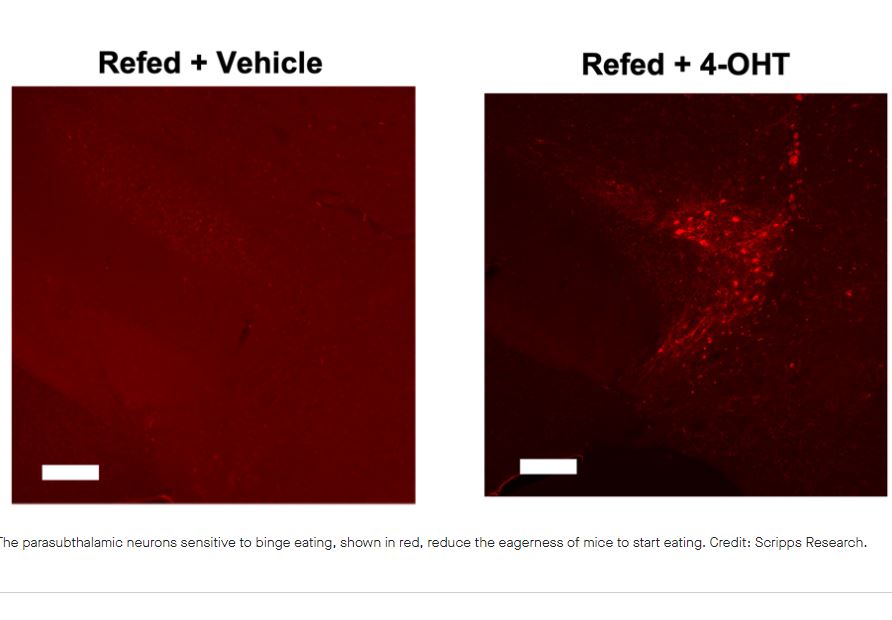
In a scientific breakthrough, Mount Sinai researchers have revealed the biological mechanisms by which a family of proteins known as histone deacetylases (HDACs) activate immune system cells linked to inflammatory bowel disease (IBD) and other inflammatory diseases.

This discovery, reported in Proceedings of the National Academy of Sciences (PNAS), could potentially lead to the development of selective HDAC inhibitors designed to treat types of IBD such as ulcerative colitis and Crohn’s disease.

“Our understanding of the specific function of class II HDACs in different cell types has been limited, impeding development of therapies targeting this promising drug target family,” says senior author Ming-Ming Zhou, PhD, Dr...

Read More

New AI Technology estimates Brain Age using Low-Cost EEG Device

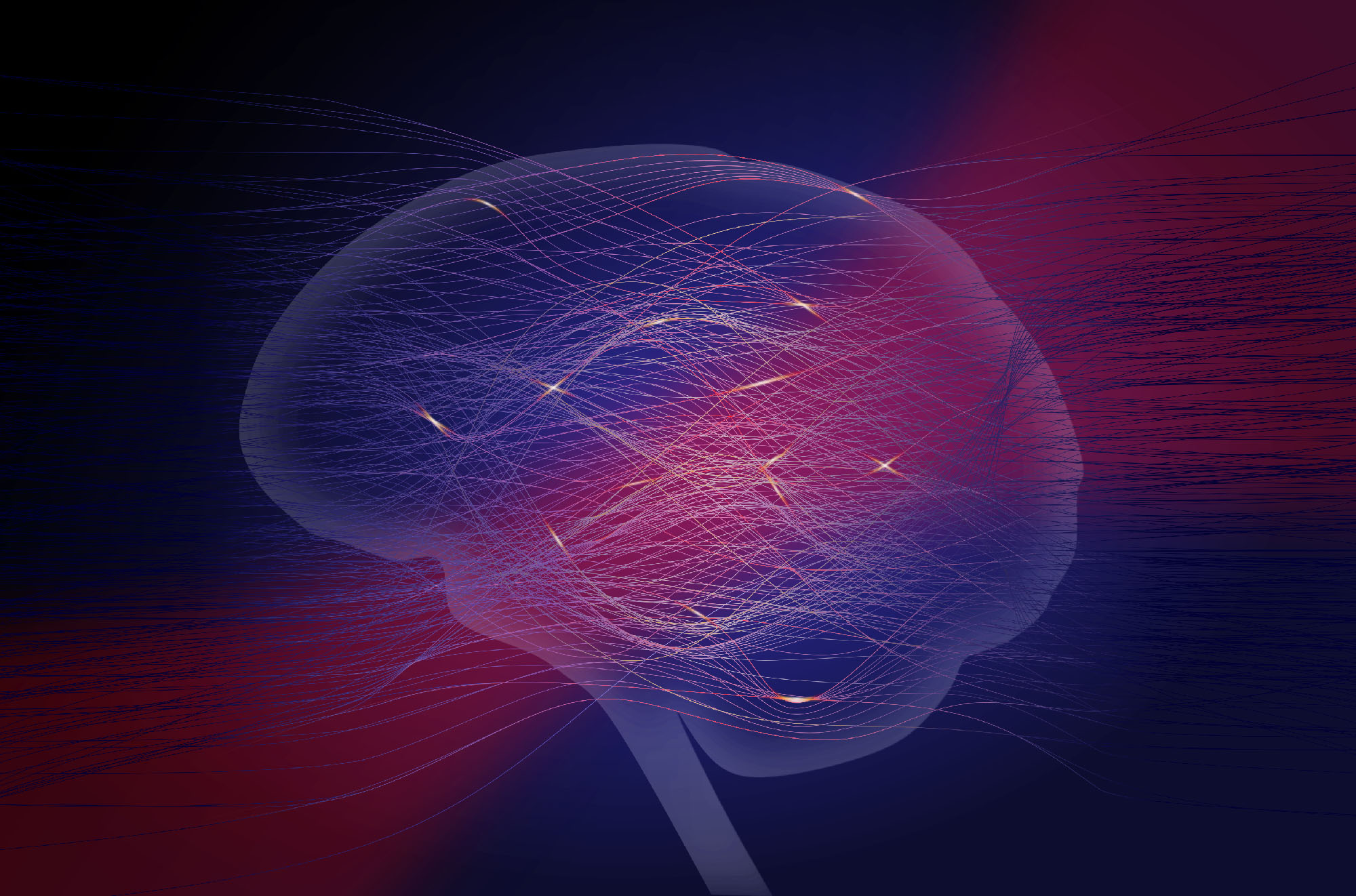
Man faces a computer screen wearing an EEG headset
Drexel University postdoctoral researcher Yongtaek Oh wearing EEG device in Drexel University’s Creativity Research Laboratory.

As people age, their brains do, too. But if a brain ages prematurely, there is potential for age-related diseases such as mild cognitive impairment, dementia, or Parkinson’s disease. If “brain age” could be easily calculated, then premature brain aging could be addressed before serious health problems occur.

Researchers from Drexel University’s Creativity Research Lab have developed an artificial intelligence technique that can effectively estimate an individual’s brain age based on electroencephalogram (EEG) brain scans. The technology could help to make early, regular screening for degenerative brain diseases more accessible...

Read More

Common Antibiotic may be Helpful in Fighting Respiratory Viral Infections

Transparent human head illustration with nasal cavity highlighted.
(© stock.adobe.com)

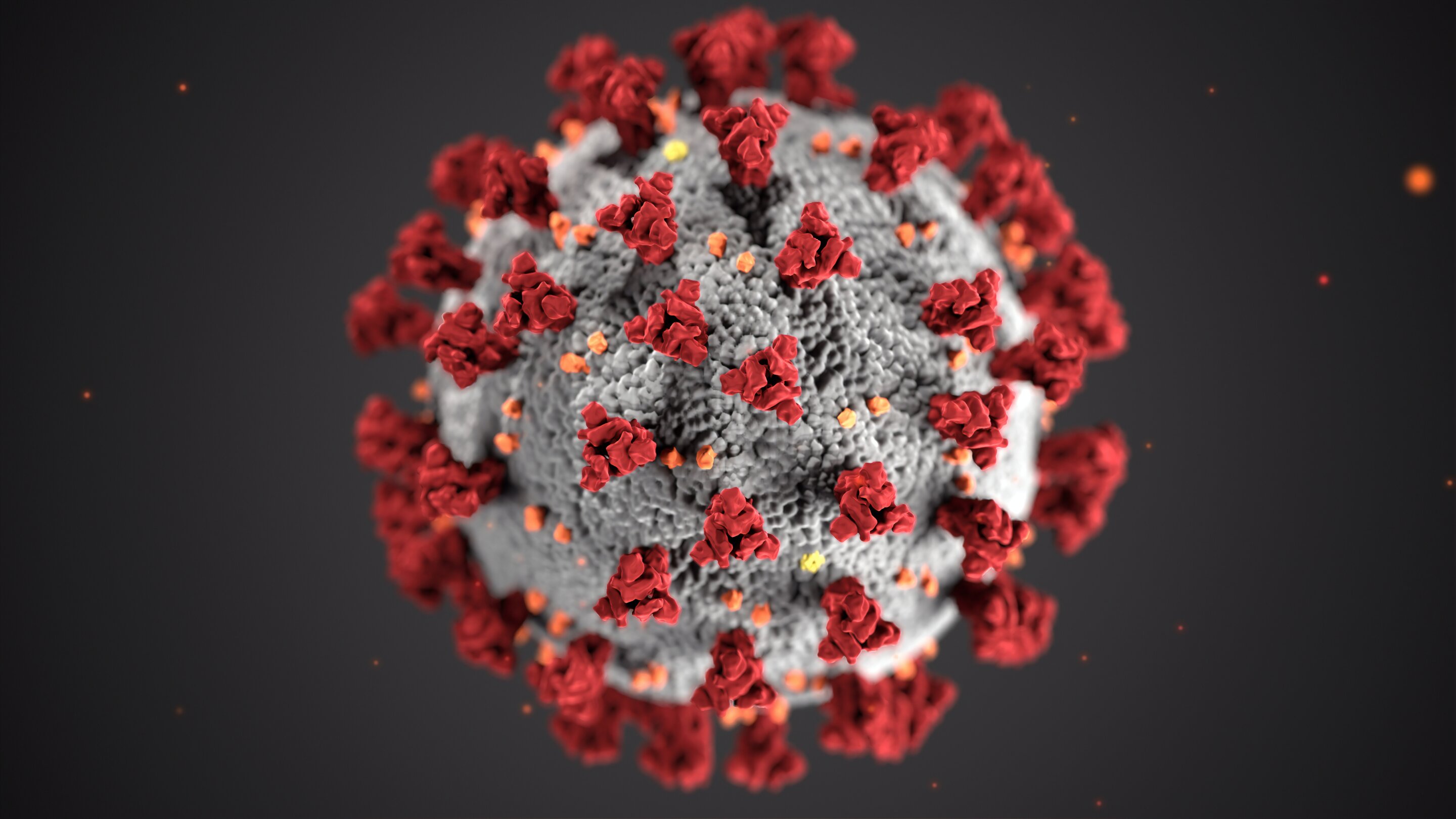
A new, Yale-led study suggests that a range of respiratory viral infections—including COVID-19 and influenza—may be preventable or treatable with a generic antibiotic that is delivered to the nasal passageway.

A team led by Yale’s Akiko Iwasaki and former Yale researcher Charles Dela Cruz successfully tested the effectiveness of neomycin, a common antibiotic, to prevent or treat respiratory viral infections in animal models when given to the animals via the nose. The team then found that the same nasal approach—this time applying the over-the-counter ointment Neosporin—also triggers a swift immune response by interferon-stimulated genes (ISGs) in the noses of healthy humans.

The findings were published in the journal Proceedings of the National Academ...

Read More

Signs of Multiple Sclerosis show up in Blood Years Before Symptoms, study finds

An illustration of antibodies attacking a cell.

In a discovery that could hasten treatment for patients with multiple sclerosis (MS), UC San Francisco scientists have discovered a harbinger in the blood of some people who later went on to develop the disease.

In about 1 in 10 cases of MS, the body begins producing a distinctive set of antibodies against its own proteins years before symptoms emerge. These autoantibodies appear to bind to both human cells and common pathogens, possibly explaining the immune attacks on the brain and spinal cord that are the hallmark of MS.

The findings were published in Nature Medicine on April 19.

MS can lead to a devastating loss of motor control, although new treatments can slow the progress of the disease and, for example, preserve a patient’s ability to walk...

Read More