Category Biology/Biotechnology

New insights revealed on Tissue-Dependent roles of JAK Signaling in Inflammation

jak
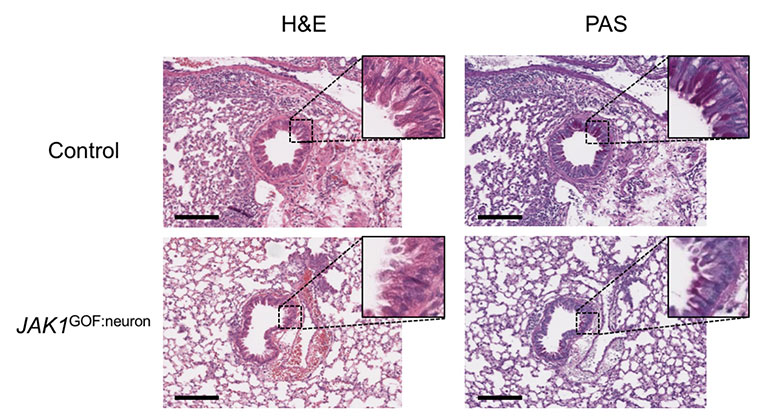
Mice engineered with a patient gene (JAK1 GOF: Neuron) show less lung inflammation, fewer immune cells, and reduced mucous production compared to controls. Image Credit: Kim et al., Cell.

Researchers at the Icahn School of Medicine at Mount Sinai have gained a deeper understanding of the nuanced roles of JAK inhibitors, or modulators, in inflammation across various cell types and tissues. Their findings suggest a more precise approach is required to potentially expand JAK inhibitor use to a wider range of allergy and inflammatory disorders. Details on the findings were published in the December 21, 2023, issue of the journal Cell.

JAK1 is a key protein in the body that supports cell communication and controls the immune system.

It is part of a group of proteins that pass signals ...

Read More

Experimental Therapy Eases Alzheimer’s Signs, Symptoms in Mice

Experimental therapy eases alzheimer's signs, symptoms in mice
A new cellular therapy improved learning and memory in mice with Alzheimer’s disease, researchers report.

The therapy—developed at the University of Nebraska Medical Center (UNMC)—relies on both the immune system to fight key aspects of Alzheimer’s, plus modified cells that zero in on the brain protein plaques that are a hallmark of the disease.

In patients with Alzheimer’s, amyloid-beta protein forms plaques that prevent nerve cells from signaling each other. One theory is that this might cause irreversible memory loss and behavior changes characteristic of Alzheimer’s disease.

The new study was recently published in the journal Molecular Neurodegeneration. Researchers used genetically modified immune-controlling cells called Tregs to target amyloid-beta.

When the UNMC te...

Read More

Fascia: The most Neglected Part of our Body is Finally Starting to Receive Attention

Photo Inspiration/Shutterstock

We are constantly reminded about how exercise benefits our bone and muscle health or reduces fat. However, there is also a growing interest in one element of our anatomy that is often overlooked: our fascia.

Fascia is a thin casing of connective tissue, mainly made of collagen—a rope-like structure that provides strength and protection to many areas of the body. It surrounds and holds every organ, blood vessel, bone, nerve fiber and muscle in place. And scientists increasingly recognize its importance in muscle and bone health.

It is hard to see fascia in the body, but you can get a sense of what it looks like if you look at a steak. It is the thin white streaks on the surface or between layers of the meat.

Fascia provides general and special f...

Read More

Study reveals Relationship of Gut Microbiome on Children’s Brain Development and Function

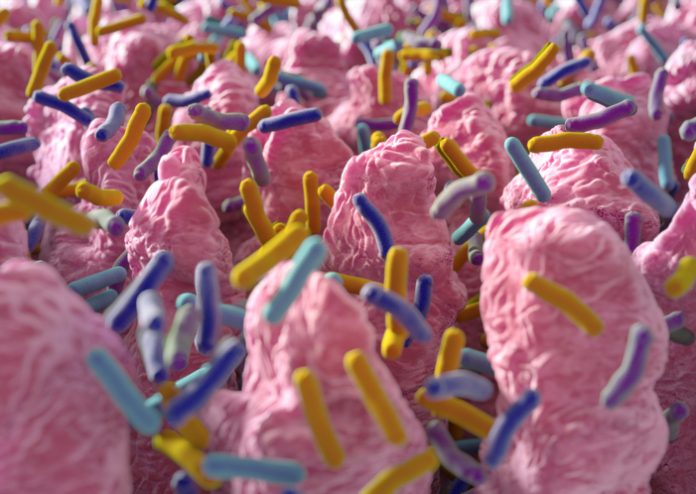
Intestinal villi. Small finger-like projections that extend into the lumen of the small intestine. Gut bacteria, flora, microbiome. 3d illustration.
Credit: ChrisChrisW/Getty Images

Emerging evidence implicates the gut microbiome in cognitive outcomes and neurodevelopmental disorders, but the influence of gut microbial metabolism on typical neurodevelopment has not been explored in detail. Researchers from Wellesley College, in collaboration with other institutions, have demonstrated that differences in the gut microbiome are associated with overall cognitive function and brain structure in healthy children.

This study—published Dec. 22 in Science Advances—is a part of the Environmental Influences on Child Health Outcome (ECHO) Program. This study investigates this relationship in 381 healthy children, all part of The RESONANCE cohort in Providence, Rhode Island, offering novel insights into early childhood development.

T...

Read More