Category Biology/Biotechnology

Tropical Plant Native to China Reveals Antiobesity Potential

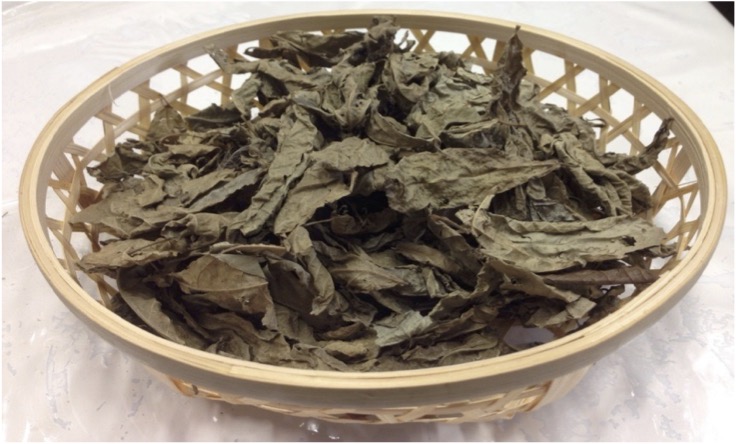
Dried Mallotus furetianus leaves

Mallotus furetianus, a tropical plant of the Euphorbiaceae family, native to Hainan Island, China.

Credit: Akiko Kojima, Osaka Metropolitan University

Scientists discover that Mallotus furetianus, native to Hainan Island, China, has antiobesity effects. Scientists tested the antiobesity effects of Mallotus furetianus extract native to Hainan Island, China, using obesity model mice. As a result, body weight and adipose tissue weight of obesity model mice were significantly reduced by the intake of Mallotus furetianus extract. Fatty liver was suppressed and adipocyte size reduction in adipose tissue was observed...

Read More
‘Spider-like’ Mitochondrial Structure Initiates Cell-wide Stress Response

“Spider-like” mitochondrial structure initiates cell-wide stress response
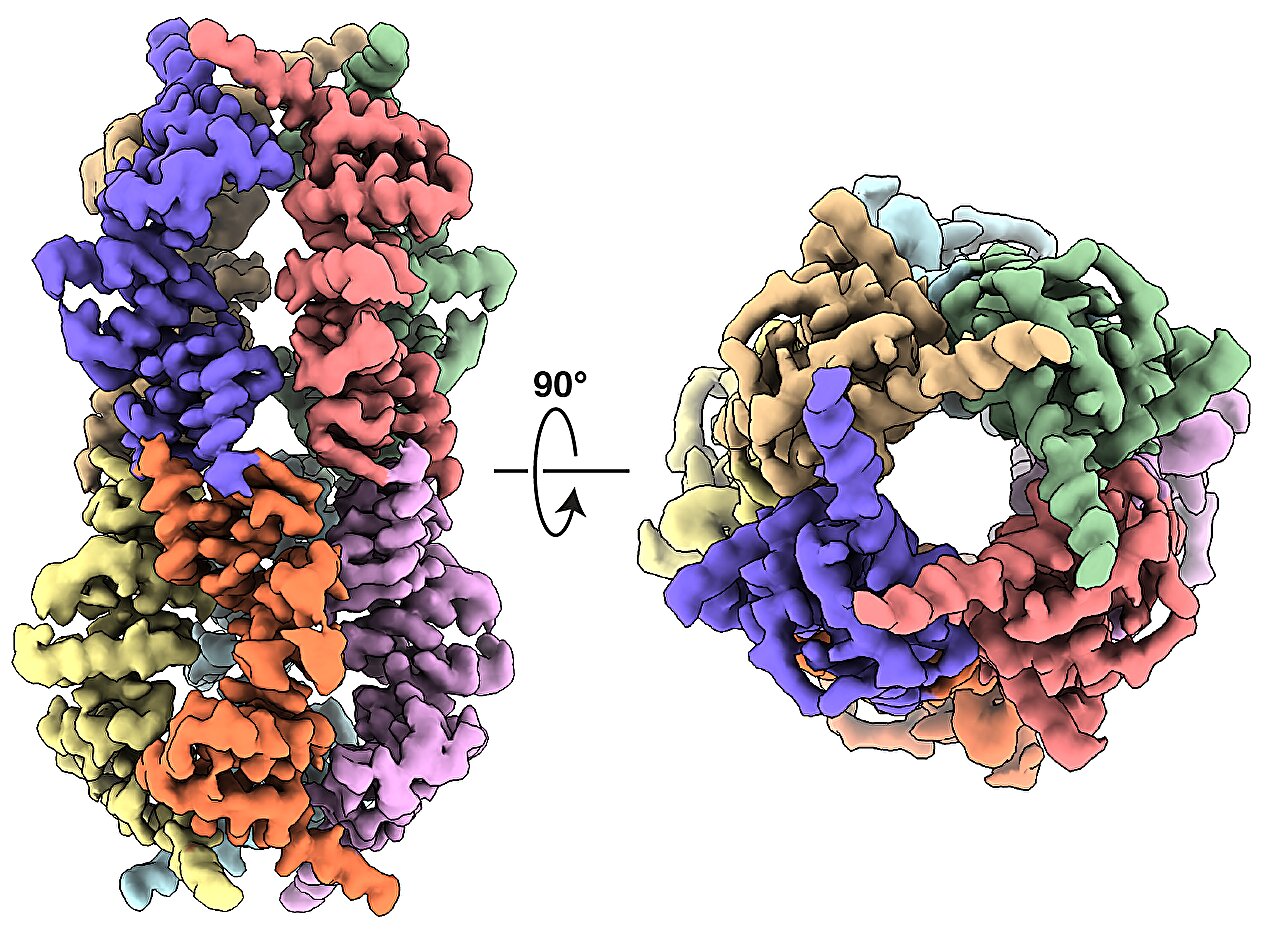
A structural depiction of a mitochondrial protein structure that initiates a cell-wide stress response. Using electron microscopy, Scripps Research scientists showed that this protein complex is made up of eight identical fragments of a protein called DELE1 that bind together into a highly symmetrical cylindrical. Credit: Jie Yang, Scripps Research

Often referred to as the “powerhouses of the cell,” mitochondria are well known for their role as energy suppliers, but these organelles are also critical for maintaining our overall health. Mitochondrial stress is associated with aging and age-related diseases, including neurodegeneration, but there has been a limited understanding of the cellular mechanisms behind this mitochondrial stress signaling...

Read More

How Sensory Neurons Impact the Gut

Neuronal Piezo2 mediates gastric emptying, intestinal and colonic transit in mice

Gastrointestinal and digestive issues impact roughly 3 million people across the United States alone, and that number is growing. A new study from Scripps Research scientists shows how sensory neurons control our gastrointestinal tracts — critical information that could shape our understanding of related diseases and disorders.

The study, published in the journal Cell on Aug. 3rd, 2023, used a combination of human clinical data and animal models to reveal that the receptor PIEZO2 controls gastrointestinal transit through the stomach, small intestine, and colon by sensing the presence of food and slowing the rate of gut motility accordingly...

Read More

Dopamine Controls Movement, not just Rewards

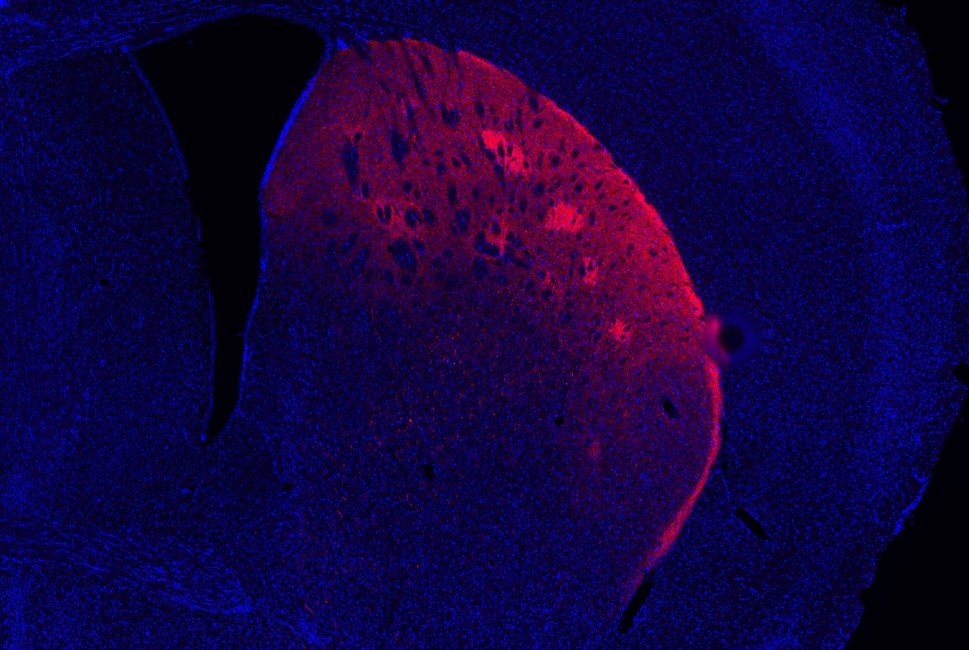
Microscopy image of a dopamine neuron subtype that displays activity correlated to locomotion but no response to rewards. Image by Maite Azcorra and Zachary Gaertner

New study finds dopamine neurons are more diverse than previously thought. Although there is a long-standing, common assumption that most – if not all – dopamine neurons solely respond to rewards or reward-predicting cues, researchers instead discovered that one genetic subtype fires when the body moves and does not respond to rewards at all. The discovery could help explain why loss of dopamine neurons leads to Parkinson’s disease.

In a new Northwestern University-led study, researchers identified and recorded from three genetic subtypes of dopamine neurons in the midbrain region of a mouse model.

Although there is ...

Read More