Category Biology/Biotechnology

Researchers Uncover Mechanism for Treating Dangerous Liver Condition

Illustration Credit: Julien Tromeur

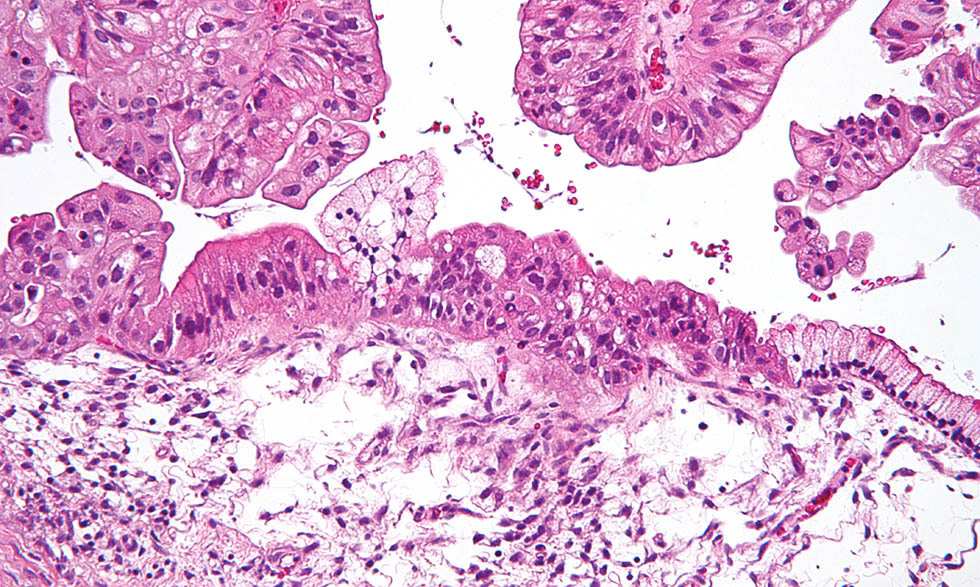
A study spearheaded by Oregon State University has shown why certain polyunsaturated fatty acids work to combat a dangerous liver condition, opening a new avenue of drug research for a disease that currently has no FDA-approved medications.

Scientists led by Oregon State’s Natalia Shulzhenko, Andrey Morgun and Donald Jump used a technique known as multi-omic network analysis to identify the mechanism through which dietary omega 3 supplements alleviated nonalcoholic steatohepatitis, usually abbreviated to NASH.

The mechanism involves betacellulin, a protein growth factor that plays multiple positive roles in the body but also contributes to liver fibrosis, or scarring, and the progression to cirrhosis and liver cancer.

“We only succeeded in ...

Read More

Sun Small but mighty: The Hidden Power of Broccoli Sprouts

Broccoli sprouts have been discovered to contain 7X more polysulfides than mature broccoli. A research team from Osaka Metropolitan University has found that polysulfides are abundant in broccoli sprouts. They found that the amount of polysulfides increased dramatically during growth, by an approximately 20-fold in seeds by the fifth day of germination. Furthermore, a comprehensive analysis of the polysulfides detected a number of polysulfide candidates whose structures have not yet been determined. The identification of these unknown polysulfides and detailed analysis of their pharmacological activities are expected to enable the development of new preventive and therapeutic strategies and medicines for cancer, neurodegenerative diseases, stroke, inflammation, and other diseases.

Read More

Researchers Identify ‘Switch’ to Activate Cancer Cell Death

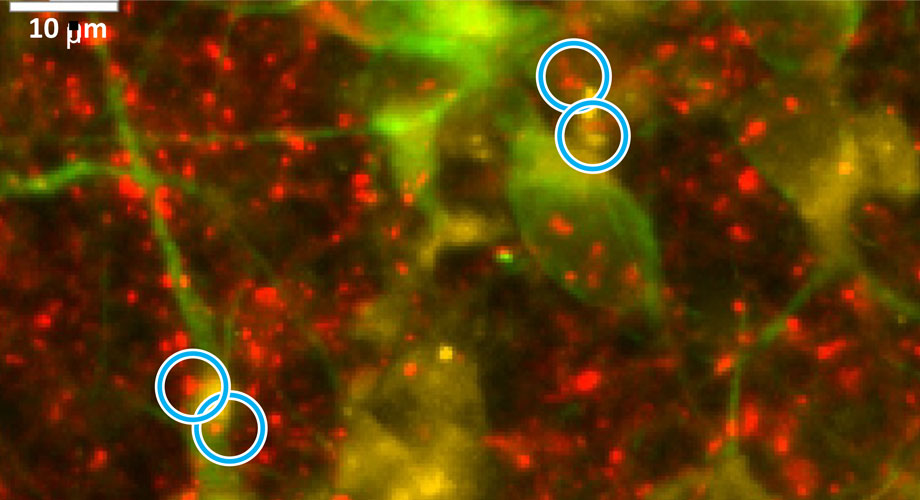
A graphic shows two circles in blue and gold representing tumor cells and a red circle representing CAR-T immunotherapy.
An antigen-negative tumor cell, shown in the golden color on the right, is killed by Fas-mediated “bystander” killing.

A research team from the UC Davis Comprehensive Cancer Center has identified a crucial epitope (a protein section that can activate the larger protein) on the CD95 receptor that can cause cells to die. This new ability to trigger programmed cell death could open the door for improved cancer treatments. The findings were published Oct. 14 in the Nature journal Cell Death & Differentiation.

CD95 receptors, also known as Fas, are called death receptors. These protein receptors reside on cell membranes. When activated, they release a signal that causes the cells to self-destruct.

Modulating Fas may also extend the benefits of chimeric antigen receptor (CAR) T-cell th...

Read More

Mimics Human Tissue, Fights Bacteria: New Biomaterial hits the sweet spot

Gloved hand holding a phial
The ‘Trpzip’ material will reform after being squished, fractured, or after being expelled from a syringe. Photo: UNSW Sydney

Scientists at UNSW Sydney have created a new material that could change the way human tissue can be grown in the lab and used in medical procedures.

The new material belongs to a family of substances called hydrogels, the essence of life’s ‘squishy’ substances found in all living things, such as cartilage in animals and in plants like seaweed. The properties of hydrogels make them very useful in biomedical research because they can mimic human tissue, allowing cells to grow in a laboratory.

There are also human-made hydrogels that are used in a broad range of commodity products ranging from food and cosmetics to contact lenses and absorbent materials, and ...

Read More