Category Biology/Biotechnology

Mechanism behind Reductions in Depression Symptoms from LSD and Mushrooms found

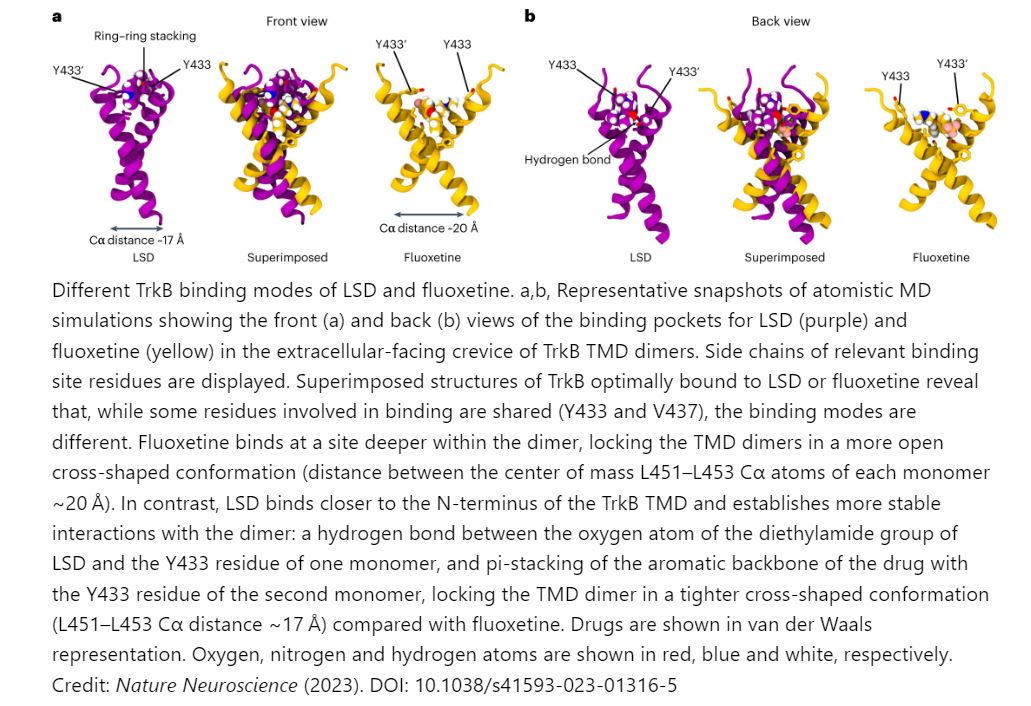
An international team of biotechnologists and neuroscientists has found the mechanism responsible for reducing depression symptoms in patients given two kinds of hallucinogenic compounds. In their mouse study, reported in the journal Nature Neuroscience, the group isolated binding receptors involved in the types of neural plasticity associated with improvements in depression symptoms. The editors at Nature Neuroscience have published a Research Briefing in the same journal issue outlining the work done by the team on this new effort.

For several years, mental health specialists have known that psychedelic drugs like magic mushrooms and LSD can reduce symptoms in patients with chronic depression. But until now, it was not known how such compounds function...

Read More
Study shows Promising Treatment for Tinnitus

Tinnitus, the ringing, buzzing or hissing sound of silence, varies from slightly annoying in some to utterly debilitating in others. Up to 15% of adults in the United States have tinnitus, where nearly 40% of sufferers have the condition chronically and actively seek relief.

A recent study from researchers at the University of Michigan’s Kresge Hearing Research Institute suggests relief may be possible.

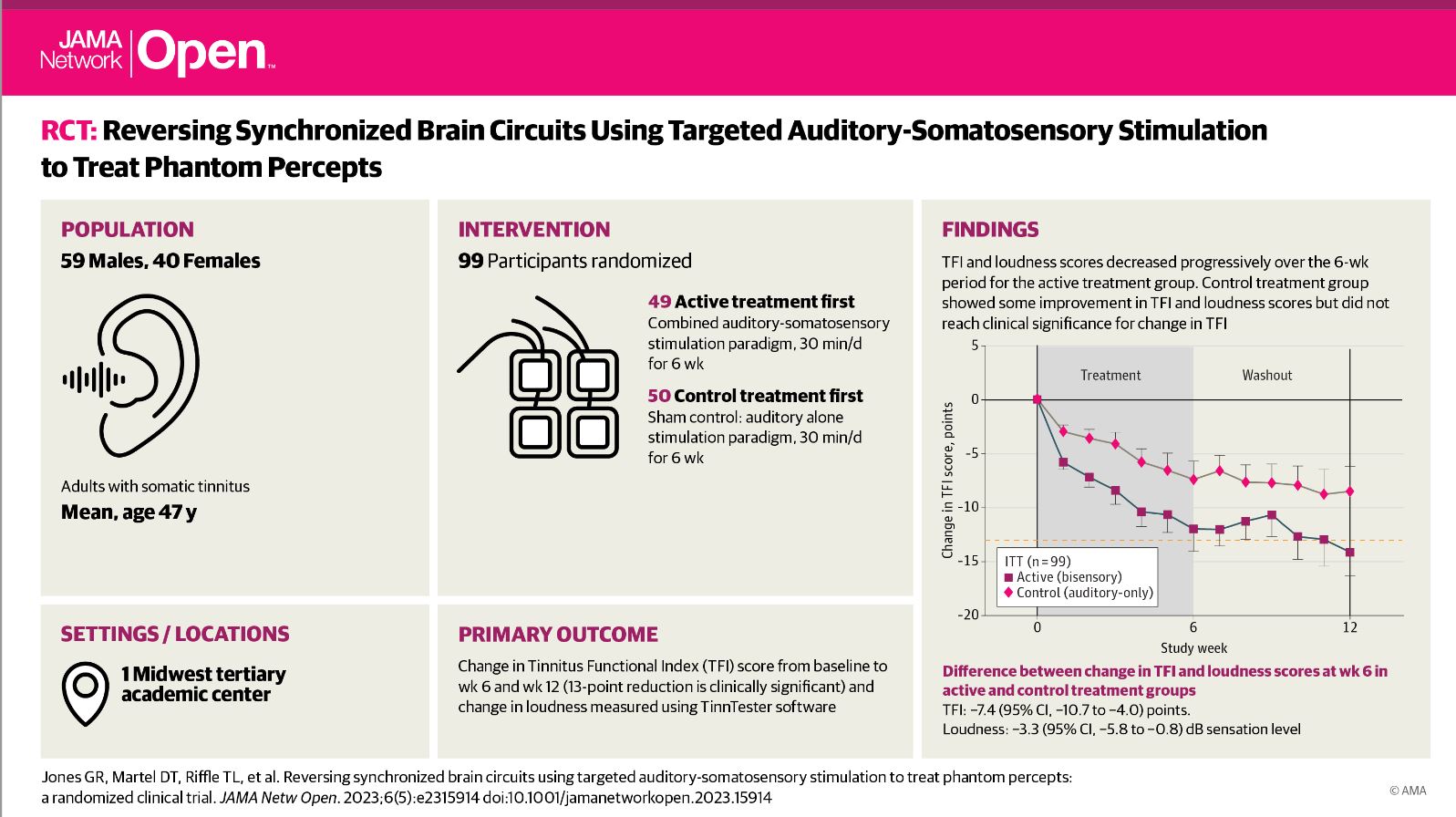
Susan Shore, Ph.D., Professor Emerita in Michigan Medicine’s Department of Otolaryngology and U-M’s Departments of Physiology and Biomedical Engineering, led research on how the brain processes bi-sensory information, and how these processes can be harnessed for personalized stimulation to treat tinnitus.

Her team’s findings were published in JAMA Network Open.

The study, a...

Read More

DNA Damage Repaired by Antioxidant Enzymes

In crisis, the nucleus calls antioxidant enzymes to the rescue. The nucleus being metabolically active is a profound paradigm shift with implications for cancer research.

Summary points

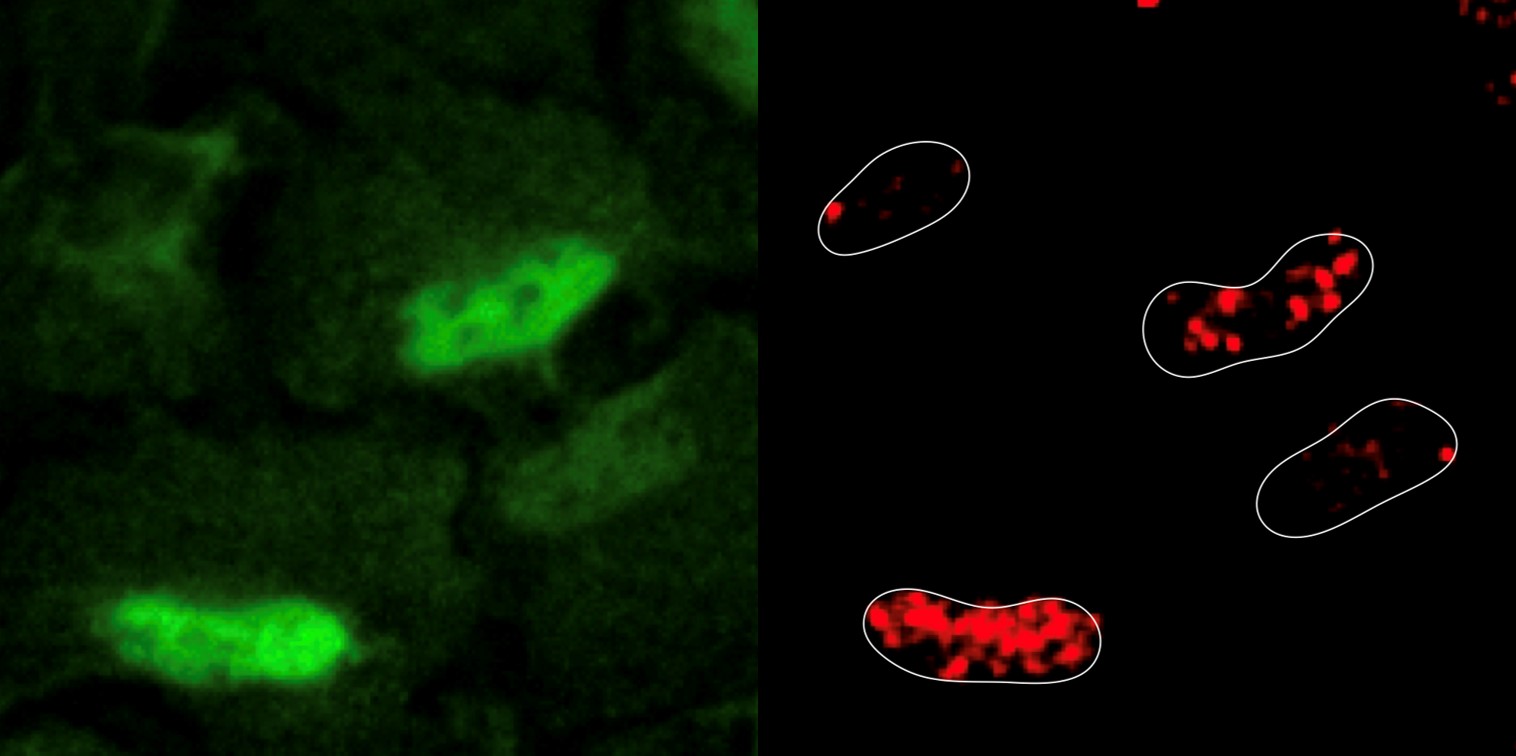
The human nucleus is metabolically active, according to the findings of a new study in Molecular Systems Biology by researchers at the CRG in Barcelona and CeMM/Medical University of Vienna,

In a state of crisis, such as widespread DNA damage, the nucleus protects itself by appropriates mitochondrial machinery to carry out urgent repairs that threaten the genome’s integrity

The findings represent a paradigm shift because the nucleus has been historically considered to be metabolically inert, importing all its needs through supply chains in the cytoplasm

Cancer hijacks cellular metabolism...

Read More

Tiny Video Capsule shows promise as an Alternative to Endoscopy

Tiny Video Capsule Shows Promise as an Alternative to Endoscopy

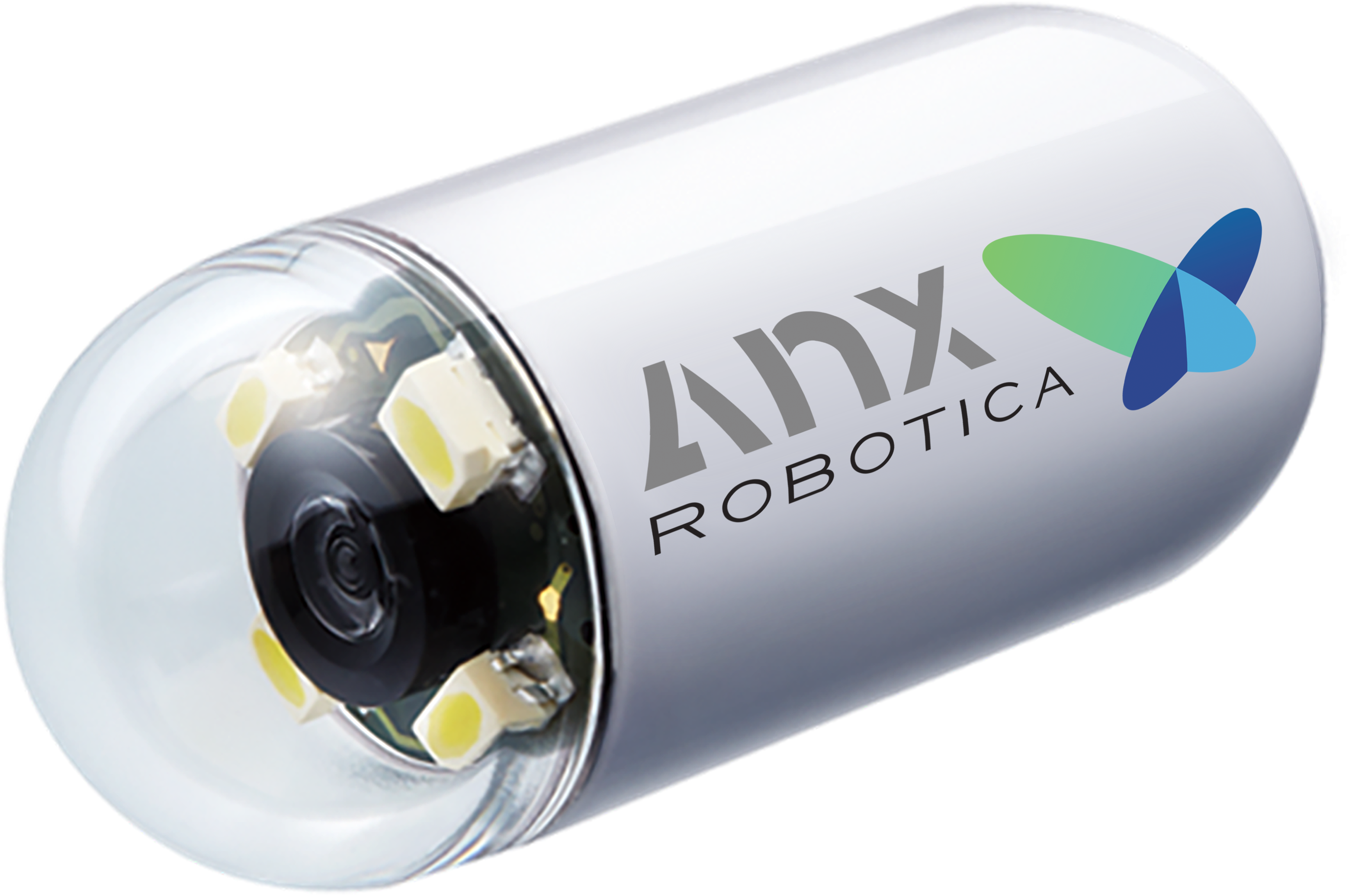
While indigestible video capsule endoscopes have been around for many years, the capsules have been limited by the fact that they could not be controlled by physicians. They moved passively, driven only by gravity and the natural movement of the body. Now, according to a first-of-its-kind research study at George Washington University, physicians can remotely drive a miniature video capsule to all regions of the stomach to visualize and photograph potential problem areas. The new technology uses an external magnet and hand-held video game style joysticks to move the capsule in three-dimensions in the stomach. This new technology comes closer to the capabilities of a traditional tube-based endoscopy.

“A traditional endoscopy is an invasive procedure for patients, not to mention it i...

Read More