
Category Biology/Biotechnology

Researchers Map the Brain during Blood Sugar Changes

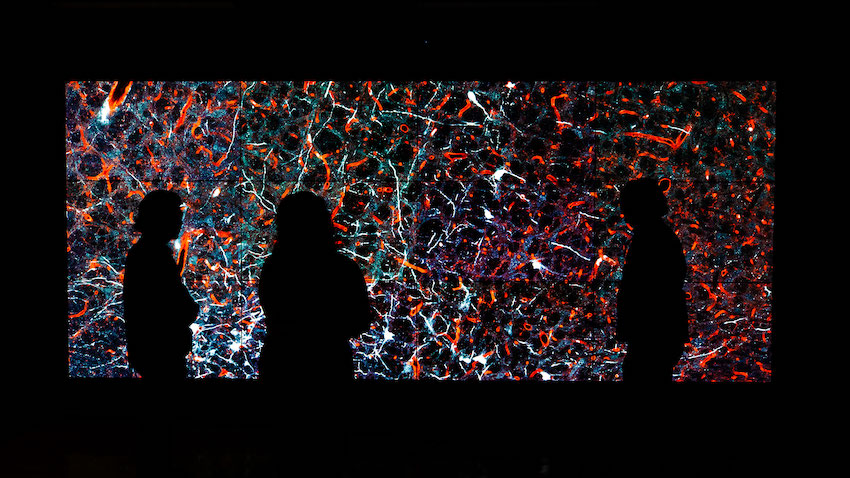
Researchers at UTEP have successfully mapped specific regions in the brain that are activated in association with changes in blood sugar — also known as glucose — providing fundamental location information that could ultimately lead to more targeted therapies for people who struggle with conditions like diabetes.

Researchers at The University of Texas at El Paso have successfully mapped specific regions in the brain that are activated in association with changes in blood sugar—also known as glucose—providing fundamental location information that could ultimately lead to more targeted therapies for people who struggle with conditions like diabetes.

The landmark 13-year study, published in the Journal of Clinical Medicine, describes how the team used careful microscopic analys...

Read More

Oxygen Restriction helps Fast-Aging Lab Mice Live Longer

lab mouse
Credit: Pixabay/CC0 Public Domain

For the first time, researchers have shown that reduced oxygen intake, or “oxygen restriction,” is associated with longer lifespan in lab mice, highlighting its anti-aging potential. Robert Rogers of Massachusetts General Hospital in Boston, US, and colleagues present these findings in a study published May 23rd in the open access journal PLOS Biology.

Research efforts to extend healthy lifespan have identified a number of chemical compounds and other interventions that show promising effects in mammalian lab animals— for instance, the drug metformin or dietary restriction. Oxygen restriction has also been linked to longer lifespan in yeast, nematodes, and fruit flies. However, its effects in mammals have been unknown.

To explore the anti-aging...

Read More

Titanium Dioxide: E171 first enters the Blood via the Mouth

Titanium dioxide: E171 first enters the blood via the mouth
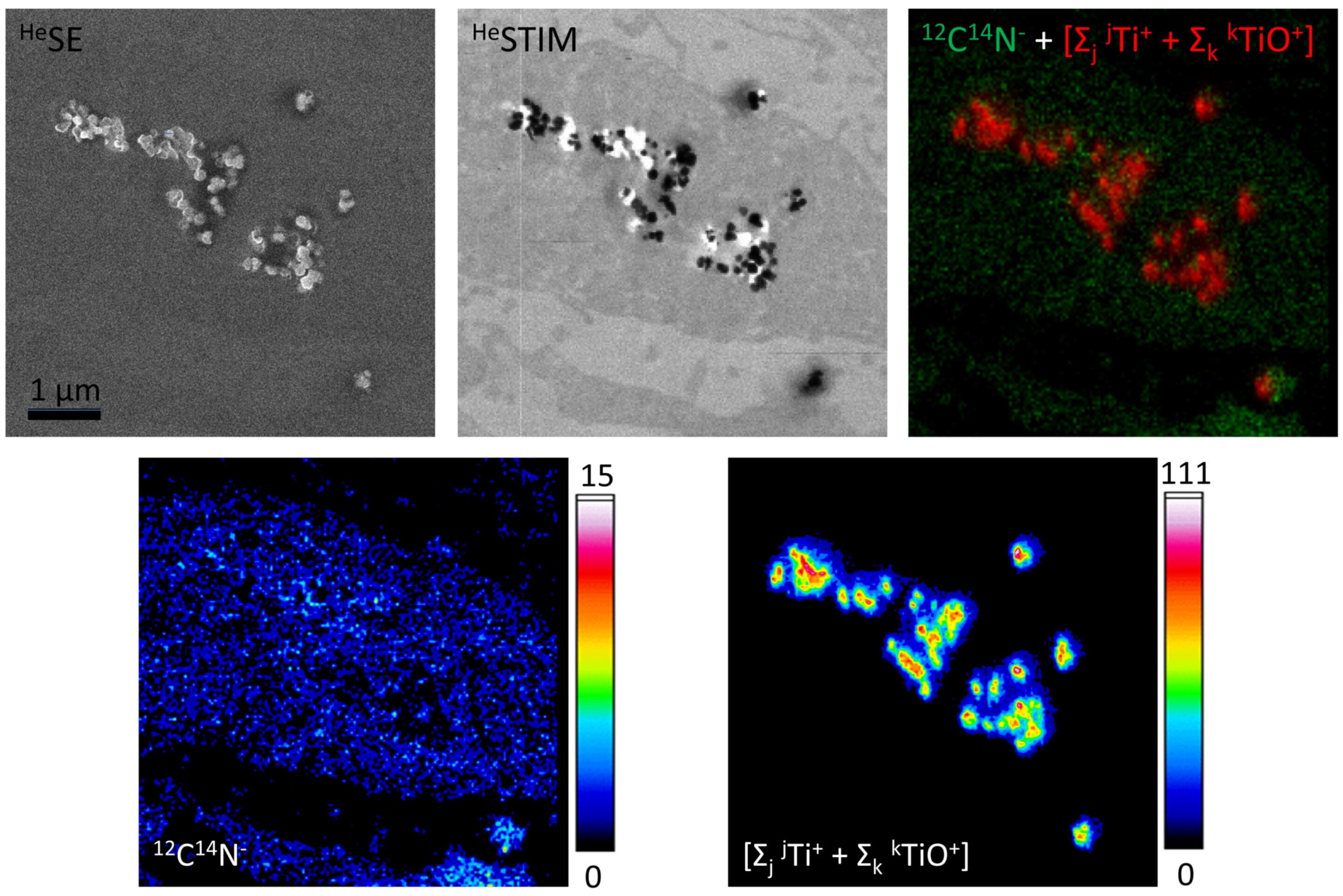
Correlative secondary electron (SE) imaging, scanning transmission ion microscopy (STIM) and secondary ion mass spectrometric (SIMS) elemental mapping of ultrathin sections of buccal TR146 cells exposed to food-grade TiO2 (E171) particles for 24 hours. In contrast to the TEM images presented in figure 2, SE imaging obtained with a helium ion microscope (here, npSCOPE) reveals predominantly topographical information. The thin sections therefore show only limited contrast of the cell structures and the nanoparticles are easily recognized. For TEM-like imaging, the STIM detector attached to the npSCOPE prototype device allows investigation of the transmitted beam information and highlights the NP in relation to the cellular ultrastructure...
Read More

A Giant Leap Forward in Wireless Ultrasound Monitoring for Subjects in Motion

A wearable ultrasonic-system-on-patch mounted on the chest for measuring cardiac activity.
A wearable ultrasonic-system-on-patch mounted on the chest for measuring cardiac activity. Photo by Muyang Lin for the Jacobs School of Engineering at UC San Diego

A team of engineers at the University of California San Diego has developed the first fully integrated wearable ultrasound system for deep-tissue monitoring, including for subjects on the go. It facilitates potentially life-saving cardiovascular monitoring and marks a major breakthrough for one of the world’s leading wearable ultrasound labs. The paper, “A fully integrated wearable ultrasound system to monitor deep tissues in moving subjects,” is published in the May 22, 2023 issue of Nature Biotechnology.

“This project gives a complete solution to wearable ultrasound technology — not only the wearable sensor, but also th...

Read More
