Category Biology/Biotechnology

Scientists Make Breakthrough for ‘Next Generation’ Cancer Treatment

Getty images

Scientists at the University of East Anglia are a step closer to creating a new generation of light-activated cancer treatments. The futuristic sounding treatment would work by switching on LED lights embedded close to a tumour, which would then activate biotherapeutic drugs.

These new treatments would be highly targeted and more effective than current state-of-the-art cancer immunotherapies.

New research published today reveals the science behind this innovative idea.

It shows how the UEA team have engineered antibody fragments – which not only ‘fuse’ with their target but are also light activated.

It means that in future, immunotherapy treatments could be engineered to attack tumours more precisely than ever before.

The principal scientist for this study, ...

Read More

Multiple Sclerosis Discovery could End Disease’s Chronic Inflammation

Cell type key to successful immunotherapies for chronic viral infections identified
Diagram of the finding. Credit: Cell Reports (2023). DOI: 10.1016/j.celrep.2023.112123

University of Virginia Health neuroscientists have discovered a potential way to disrupt the chronic inflammation responsible for multiple sclerosis.

UVA’s new study identifies a vital contributor to the hyperactive autoimmune response and neuroinflammation that are the hallmarks of MS. Blocking this lynchpin in a research model of MS alleviated the inflammation, giving researchers a prime target in developing new treatments for multiple sclerosis and other autoimmune diseases.

The research was conducted by Andrea Merchak, a doctoral candidate in neuroscience, and her colleagues in the lab of Alban Gaultier of the University of Virginia School of Medicine’s Department of Neuroscience and its Ce...

Read More

Bionic Fingers create 3D Maps of Human Tissue, Electronics and other complex objects

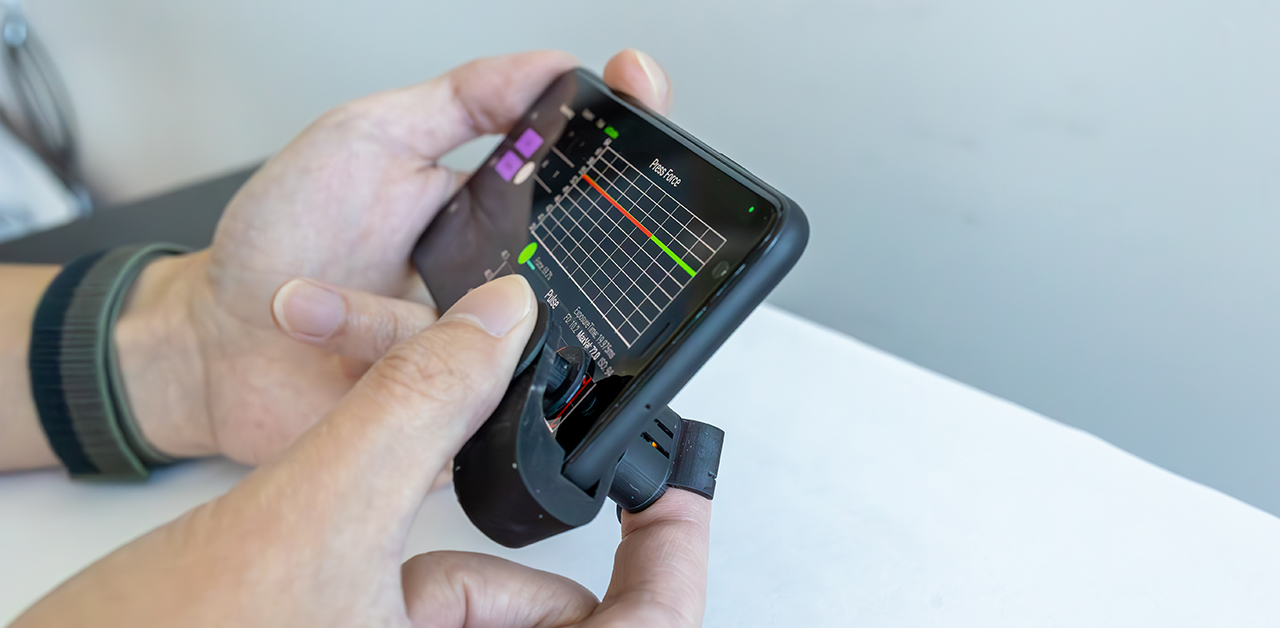
Bionic fingers create 3D maps of human tissue, electronics and other complex objects
Graphical abstract. Credit: Cell Reports Physical Science (2023). DOI: 10.1016/j.xcrp.2023.101257

What if, instead of using X-rays or ultrasound, we could use touch to image the insides of human bodies and electronic devices? In a study published in the journal Cell Reports Physical Science on February 15, researchers present a bionic finger that can create 3D maps of the internal shapes and textures of complex objects by touching their exterior surface.

“We were inspired by human fingers, which have the most sensitive tactile perception that we know of,” says senior author Jianyi Luo, a professor at Wuyi University. “For example, when we touch our own bodies with our fingers, we can sense not only the texture of our skin, but also the outline of the bone beneath it.”

“Our bionic...

Read More

Novel Method to Accurately Measure Key Marker of Biological Aging

Singapore-led collaboration develops novel method to accurately measure key marker of biological ageing
Using home-grown designed telomeric-DNA sequences, called ‘Telobaits’, and highly-advanced DNA sequencing technology, scientists can now precisely determine the length of a single telomere from an individual. This technique could potentially be used to measure the impact of lifestyle or drug interventions to tackle ageing-related diseases. Credit: Dr Javier Koh, Duke-NUS Medical School

Telomeres—the caps at the ends of chromosomes that protect our genetic materials from the brunt of cellular wear and tear—are known to shorten and fray over time. Lifestyle, diet and stress can exacerbate this process, leading to early loss of telomere protection and increasing the chances of early aging and diseases, such as cancer and heart disease.

To date, approaches for measuring biological a...

Read More