
Category Biology/Biotechnology

Skin-deep microneedle sensor tracks drug clearance and reveals early kidney and liver dysfunction

Square microneedle sensor begin held by hand wearing blue Latex gloves
The new microneedle sensor provides continuous, minimally invasive monitoring in skin. “We show that measurements taken just a millimeter beneath the skin can reveal clinically actionable information about organs deep inside the body,” said UCLA professor Sam Emaminejad.

Wearable technologies are starting to reshape how people manage health. Continuous glucose monitors that measure blood sugar levels in diabetes patients have already shown the power of tracking an important molecule in real time. The next leap is to track other medically important molecules. However, doing so is far more difficult because most of those molecules are present at much lower concentrations than glucose.

One area such wearable technologies could transform is drug therapy...

Read More

This nasal spray rewinds the aging brain, restoring memory and reversing inflammation in preclinical models

In Shetty’s lab, researchers develop an innovative nasal spray targeting brain aging.

Credit: Texas A&M University Division of Marketing and Communications

Picture this: your brain is a high-performance engine. Over decades, it doesn’t just wear down, it also starts to run hot. Tiny “fires” of inflammation smolder deep within the brain’s memory center, creating a persistent brain fog that makes it harder to think, form new memories or even adapt to new environments, all the while increasing the risk to disorders like Alzheimer’s disease.

Scientists call this slow burn “neuroinflammaging,” and for decades it was thought to be the inevitable price of growing older. Until now.

A landmark study by researchers at Texas A&M University Naresh K...

Read More

A common nutrient could supercharge cancer treatment

Orange veggies
Zeaxanthin is a carotenoid, a type of yellow-orange pigment found in plants.

A simple nutrient from everyday vegetables could help supercharge the body’s fight against cancer. A common eye-health nutrient, zeaxanthin, may also help the body fight cancer more effectively. Scientists discovered it strengthens Tcells and enhances the impact of immunotherapy treatments. Found in everyday vegetables and supplements, it’s safe, accessible, and shows strong potential as a cancer therapy booster. Human trials are the next step.

Researchers at the University of Chicago have uncovered a surprising new role for zeaxanthin, a plant-based compound best known for supporting eye health...

Read More

Previously unrecognized immune response could enhance defense against cancer

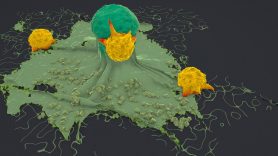
In a paradigm-breaking study, researchers have discovered a novel way the immune system, specifically Tcells, attack their target cells, reshaping long-held assumptions in immunology and demonstrating direct implications for the field of cancer immunology and bone marrow transplantation. The team consists of Dr. Pavan Reddy, director of the Dan L Duncan Comprehensive Cancer Center at Baylor College of Medicine (BCM) and his team, in collaboration with Drs. Arul Chinnaiyan, S P Hicks Endowed Professor of Pathology, and Marcin Cieslik, assistant professor of pathology, both from University of Michigan Rogel Cancer Center. The study is published in Nature Immunology.

Rewriting the rules of T cell biology
The immune system relies on molecules called major histocompatibility complexes (M...

Read More