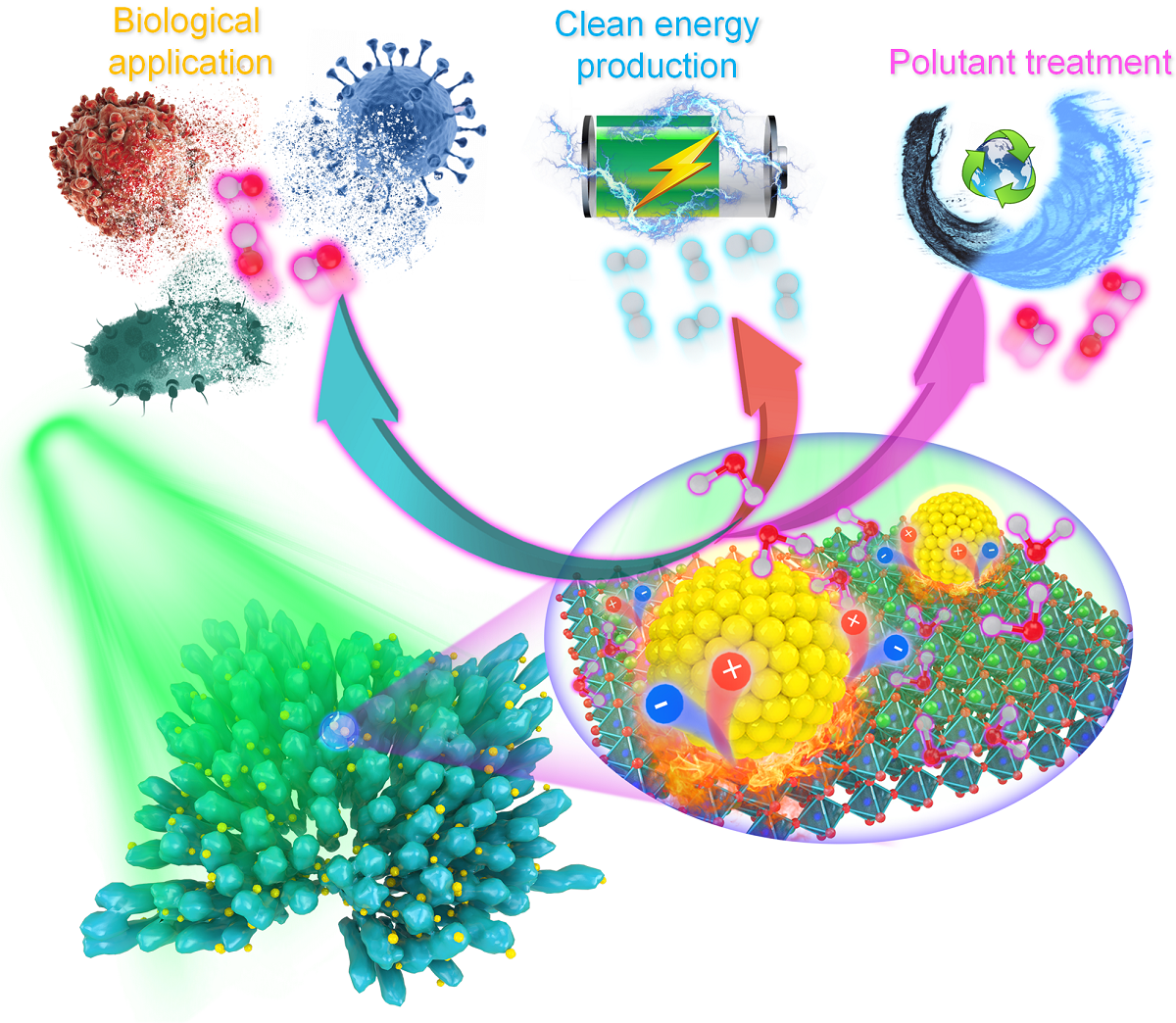
Illustration of potential applications of combining pyroelectric materials and the localized thermo-plasmonic effect of noble metal nanomaterials. Photo credit: Dr Lei Dangyuan’s group / City University of Hong Kong
Pyroelectric catalysis (pyro-catalysis) can convert environmental temperature fluctuations into clean chemical energy, like hydrogen. However, compared with the more common catalysis strategy, such as photocatalysis, pyro-catalysis is inefficient due to slow temperature changes in the ambient environment...
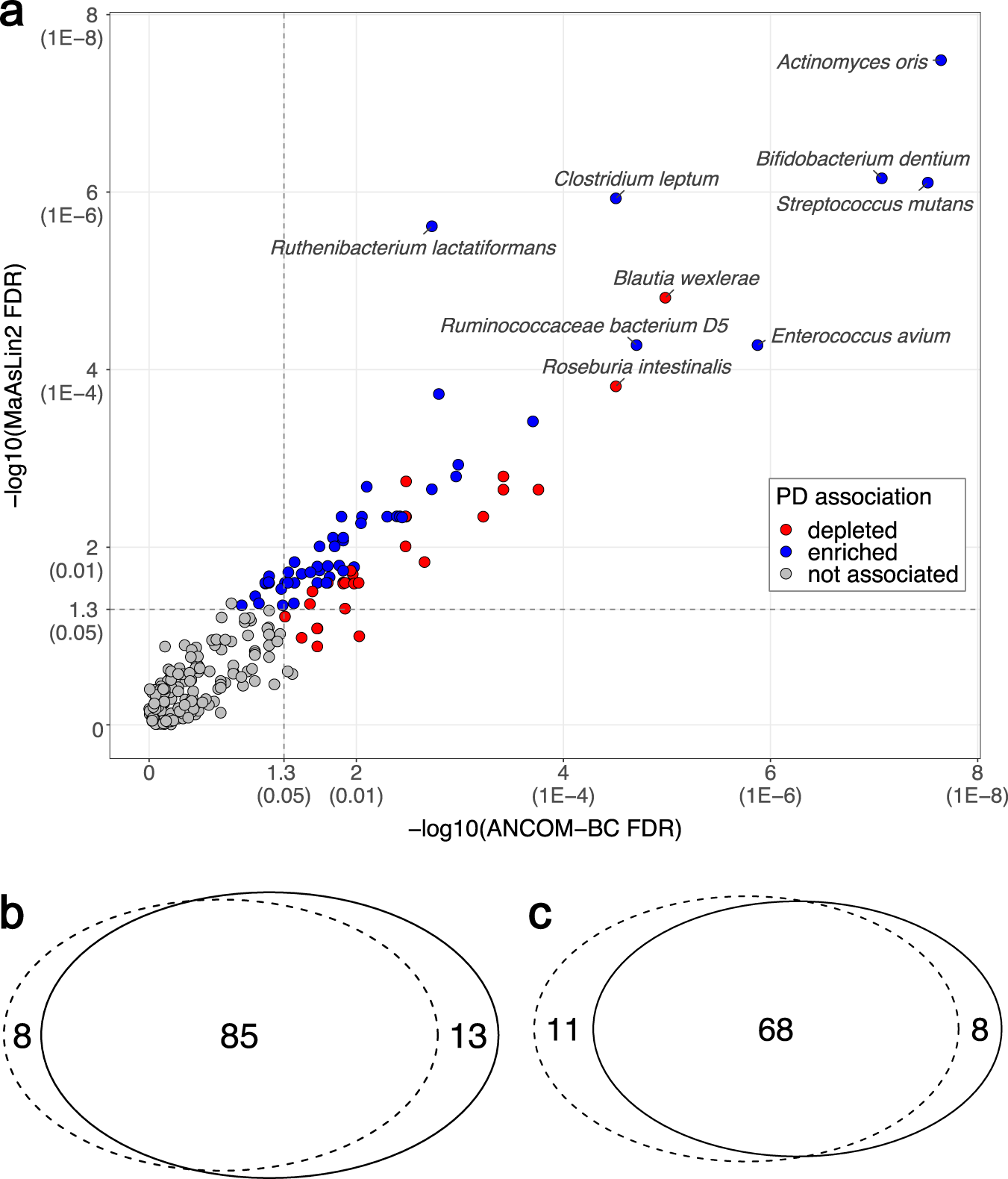
PD-associated species nominated by consensus of MaAsLin2 and ANCOM-BC. Analysis included N = 724 biologically independent samples from 490 PD and 234 neurologically healthy control (NHC) subjects. a 257 species (denoted by circles in the plot) were tested in microbiome-wide association study (MWAS) with two statistical methods: MaAsLin2 and ANCOM-BC. The results are shown according to significance (−log10 of the FDR) achieved by MaAslin2 (Y-axis) vs ANCOM-BC (X-axis). Corresponding untransformed FDR values are provided in parentheses on the X and Y axes for easier interpretation. 84 species were nominated as PD-associated, defined by FDR < 0.05 by one method and FDR≤0.1 by the other: 68 achieved FDR < 0.05 by both methods, 10 achieved ANCOM-BC MaAsLin2 FDR < 0.05 by MaAsLin2 and FDR≤0...Read More
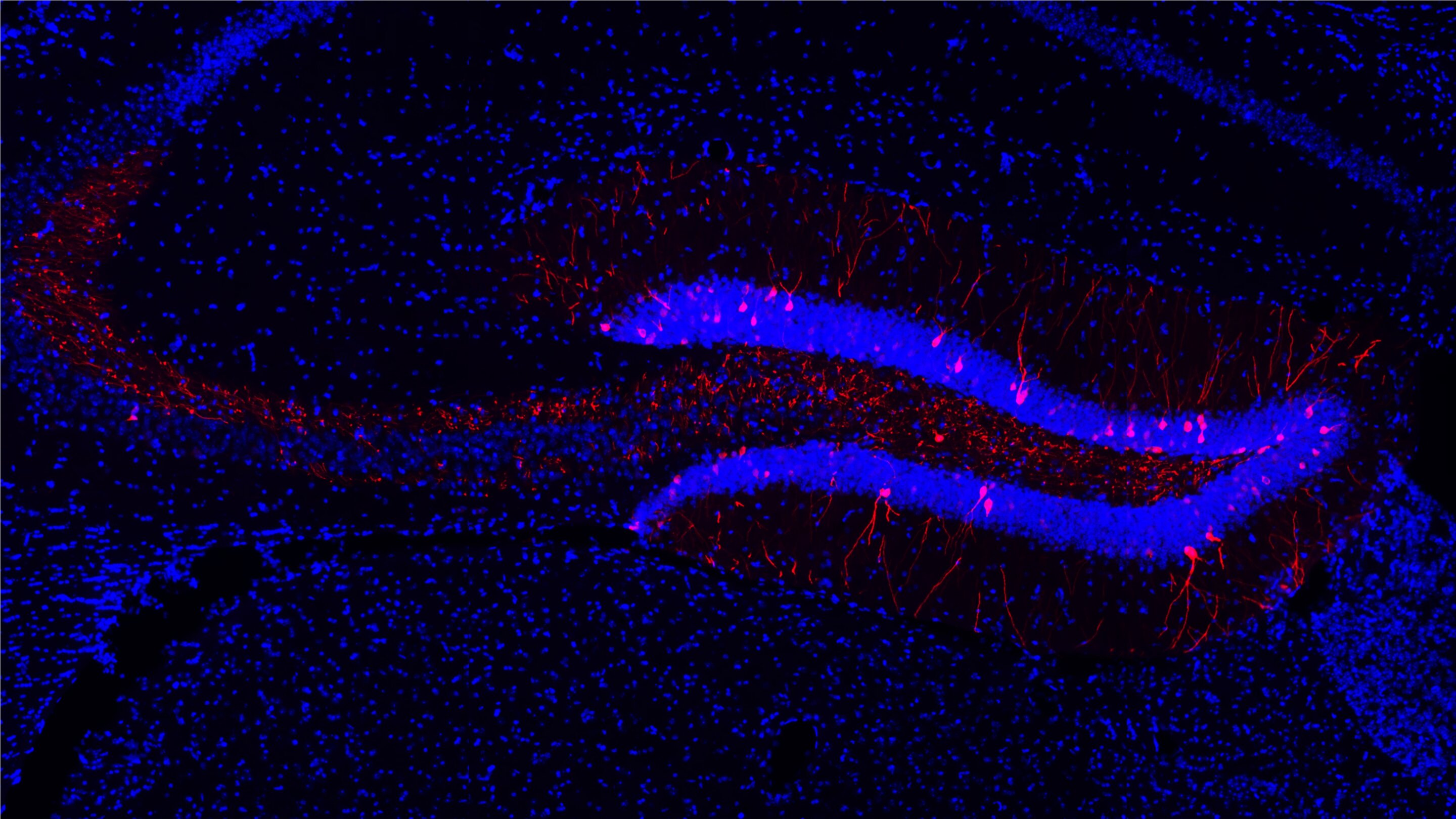
High magnification image showing part of the mouse hippocampus in which a sparse population of neurons encoding a specific learning event are labelled in red. Neurons that are not activated by the learning event are shown in blue. | Illustration Havekes Lab, University of Groningen
Students sometimes pull an all-nighter to prepare for an exam. However, research has shown that sleep deprivation is bad for your memory. Now, University of Groningen neuroscientist Robbert Havekes discovered that what you learn while being sleep deprived is not necessarily lost, it is just difficult to recall.
Together with his team, he has found a way to make this “hidden knowledge” accessible again days after studying while sleep-deprived using optogenetic approaches, and the human-approved asthma drug...
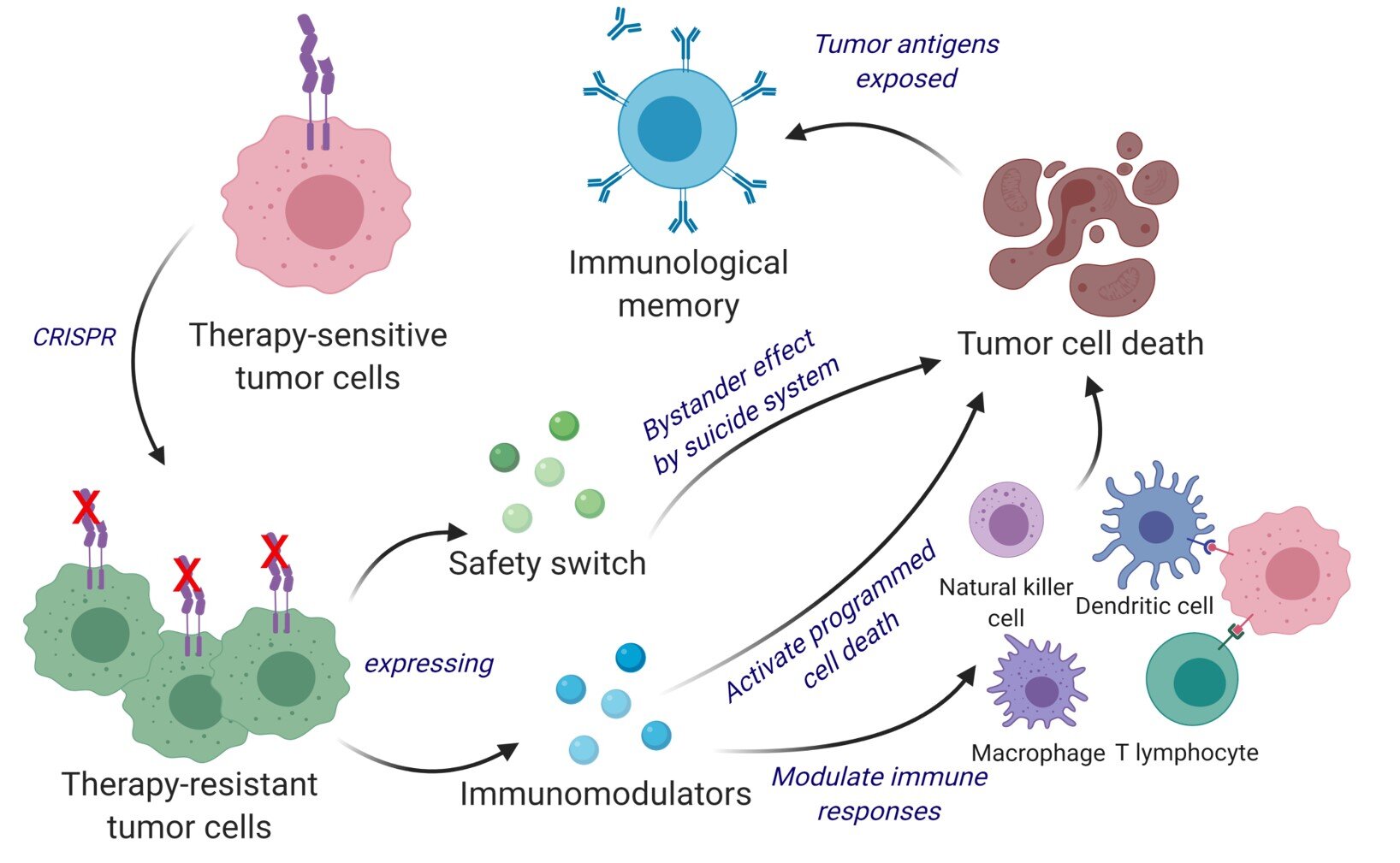
Scientists developed a bifunctional therapeutic strategy by transforming living tumor cells into a therapeutic. Shah’s team engineered living tumor cells using the gene editing tool CRISPR-Cas9 and repurposed them to release tumor cell killing agent. In addition, the engineered tumor cells were designed to express factors that would make them easy for the immune system to spot, tag and remember, priming the immune system for a long-term anti-tumor response. The team tested their repurposed CRISPR-enhanced and reverse-engineered therapeutic tumor cells (ThTC) in different mice strains including the one that bore bone marrow, liver and thymus cells derived from humans, mimicking the human immune microenvironment...Read More





Recent Comments