Category Biology/Biotechnology

People with Similar Faces likely have Similar DNA

Figure thumbnail fx1
Highlights
Facial recognition algorithms identify “look-alike” humans for multiomics studies
Intrapair look-alikes share common genetic sequences such as face trait variants
DNA methylation and microbiome profiles only contribute modestly to human likeness
The identified SNPs impact physical and behavioral phenotypes beyond facial features

A collection of photos of genetically unrelated lookalikes, along with DNA analysis, revealed that strong facial similarity is associated with shared genetic variants. The work appears August 23rd in the journal Cell Reports.

“Our study provides a rare insight into human likeness by showing that people with extreme lookalike faces share common genotypes, whereas they are discordant at the epigenome and microbiome levels,” says senior a...

Read More

Researchers identify the Target of Immune Attacks on Liver Cells in Metabolic Disorders

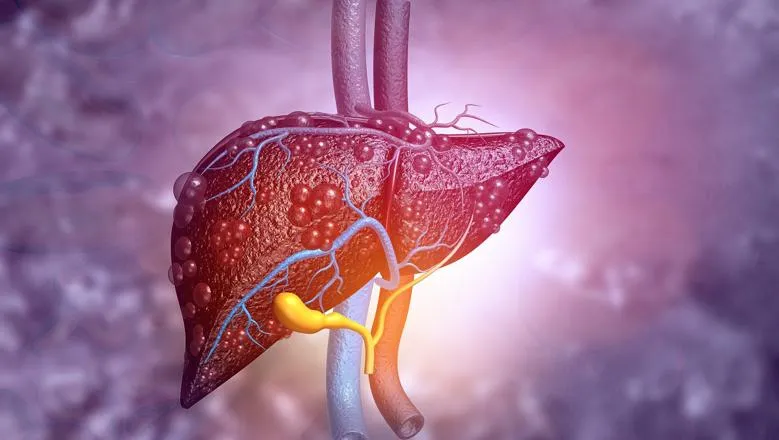
illustration of human liver anatomy
Illustration of human liver anatomy. Credit: Shutterstock

When fat accumulates in the liver, the immune system may assault the organ. A new study from Weill Cornell Medicine researchers identifies the molecule that trips these defenses, a discovery that helps to explain the dynamics underlying liver damage that can accompany type 2 diabetes and obesity.

In a study published Aug. 19 in Science Immunology, researchers mimicked these human metabolic diseases by genetically altering mice or feeding them a high-fat, high-sugar diet. They then examined changes within the arm of the rodent’s immune system that mounts defenses tailored to specific threats...

Read More

New Research Model illuminates How Organs Communicate with each other

A novel mouse model for mapping protein communication between organs. Proteins are labeled by biotin and their movement in the body can be tracked. Credit: Scripps Research and University of Southern California

Researchers uncover the proteins involved in key communication networks, which could help us better understand conditions like cancer and obesity. Our many different organ systems are in constant communication with each other. During exercise, for example, muscles send out signals to fat and liver tissue to release their energy sources. While these communication networks play a critical role in our bodies every day, it has been historically difficult to uncover such pathways...

Read More

Scientists Uncover a New Role for Blood-Brain Barrier in Neuron Function and Damage

Findings open up a potential new avenue for therapies aimed at countering neurodegeneration. Researchers have made a surprising discovery linking Delta/Notch signaling in subperineurial glia (SPG) to the regulation of nerve ensheathment and neurotransmitter release at the Drosophila neuromuscular junction (NMJ). SPG, the counterpart of the endothelial layer in the vertebrate blood-brain barrier, form the key cellular layer that is critical for axonal ensheathment and the blood-brain barrier in Drosophila. The results provide a mechanistic insight into the biology of barrier function and glia-neuron interactions.

While the role of the blood-brain barrier has long been appreciated for its ability to maintain precise control over what molecules can enter the nervous system, very littl...

Read More