
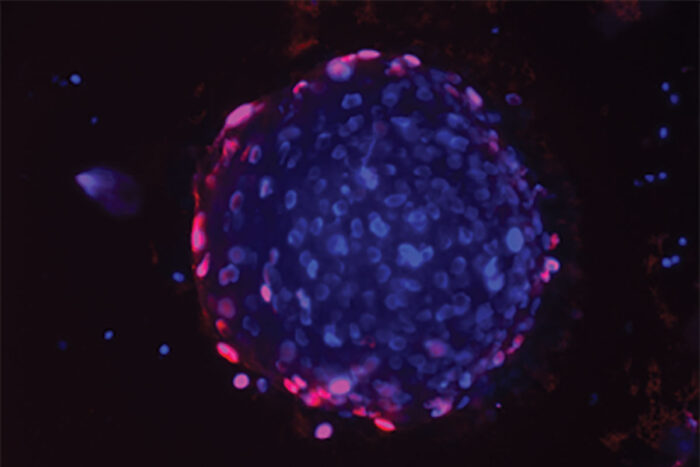
A single drug compound simultaneously attacks hard-to-treat prostate cancer on several fronts, according to a new study in mice and human cells...
Read More

November 25, 2022,
 Health/Medical, Biology/Biotechnology
A single drug compound simultaneously attacks hard-to-treat prostate cancer on several fronts, according to a new study in mice and human cells...
Read More
November 23, 2022,
Health/Medical, Biology/Biotechnology

Laboratory research finds a low-protein diet can enhance standard treatment for colon cancer. A dietary change could be a key to enhancing colon cancer treatment, a new study from the University of Michigan Rogel Cancer Center finds.
Cancer cells need nutrients to survive and grow. One of the most important nutrient sensing molecules in a cell is called mTORC1. Often called a master regulator of cell growth, it allows cells to sense different nutrients and thereby grow and proliferate. When nutrients are limited, cells dial down nutrient sensing cascade and turn off mTORC1.
While mTORC1 is known to be hyperactive in colon cancer, the k...
Read More
November 23, 2022,
Health/Medical, Biology/Biotechnology

A new University of Arizona Health Sciences study found that people older than 45yo whose Type 2 diabetes was treated with anti-hyperglycemic medications had an increased risk of multiple sclerosis, particularly among women, while anti-hyperglycemic exposure in people younger than 45 reduced that risk.
“Our findings reinforce the need for a precision medicine approach to preventing MS in these vulnerable populations,” said lead researcher Kathleen Rodgers, PhD, associate director of translational neuroscience at the Center for Innovation in Brain Science.
Multiple sclerosis (MS) is an unpredicta...
Read More
November 18, 2022,
Health/Medical, Biology/Biotechnology
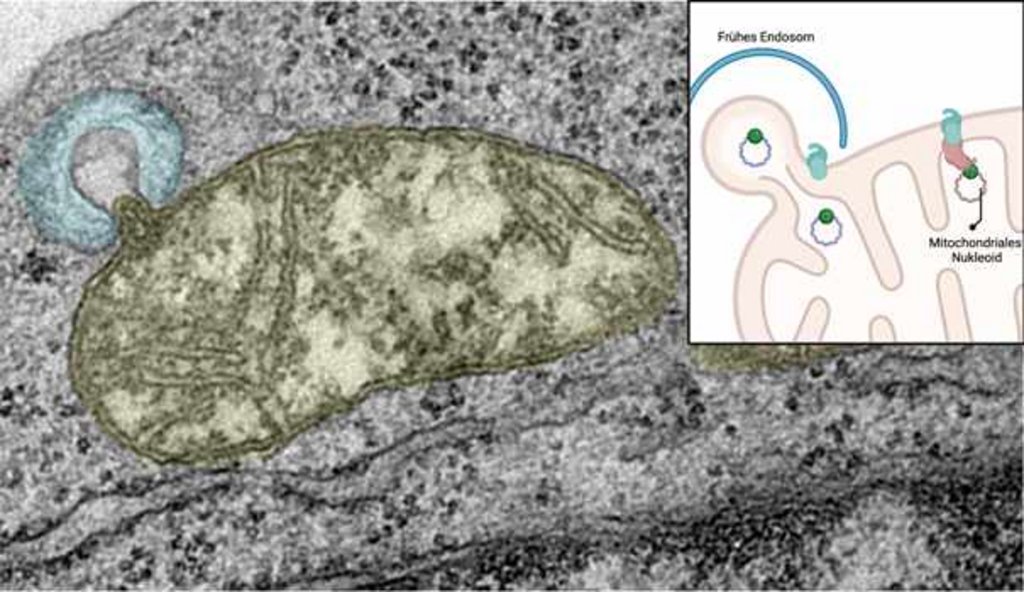
A research team has identified a molecular target that could open up new therapeutic options to treat aging-associated diseases like Parkinson’s. Scientists at the University of Cologne have discovered how cells can eliminate mutated mitochondrial DNA (mtDNA). Mitochondria are the powerhouses of our cells. Due to their evolutionary descent from bacteria, they still have genetic material packaged in chromosome-like structures (nucleoids). They convert the chemical energy in our food into a biologically usable form...
Read More
Recent Comments